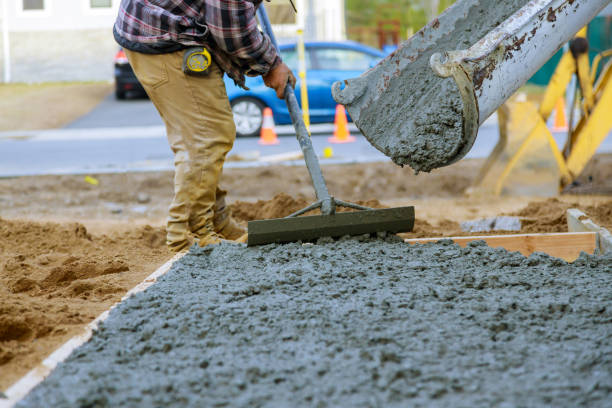
How to Prevent Concrete Cracking During Ontario Winters

Ontario winters place extreme stress on outdoor concrete surfaces. Fluctuating temperatures, heavy snowfall, ice buildup, and repeated freeze thaw cycles can gradually weaken concrete, leading to cracks and structural damage. Homeowners and property managers often underestimate how quickly minor surface flaws can escalate into serious problems once winter conditions set in. Understanding the causes of concrete cracking and implementing preventive measures early can significantly extend the lifespan of patios, walkways, and driveways.
Proactive care, combined with guidance from experienced concrete contractors Hamilton, helps protect concrete surfaces from seasonal damage and reduces the need for costly repairs after winter ends. Preventing cracking requires attention to drainage, moisture control, surface protection, and timely maintenance before temperatures drop.
Why Ontario Winters Are Tough on Concrete
Concrete is a durable material, but it is not immune to environmental stress. Ontario’s winter climate introduces multiple factors that accelerate deterioration, especially when moisture and temperature fluctuations interact with existing weaknesses.
Freeze-Thaw Cycles Ontario and Their Impact
Freeze thaw cycles occur when temperatures rise above freezing during the day and fall below freezing at night. Moisture that seeps into small pores and microcracks in concrete expands as it freezes, placing internal pressure on the surface. Over time, this repeated expansion and contraction weakens the concrete structure, causing cracks to widen and spread.
Concrete surfaces that are not properly sealed or maintained are especially vulnerable to freeze thaw damage. Once cracks form, they allow even more moisture to penetrate, accelerating deterioration throughout the winter season.
How Moisture Penetration Leads to Cracks
Moisture is one of the most significant contributors to concrete cracking during winter. Snowmelt, rain, and ice buildup can seep into unprotected concrete surfaces. When moisture freezes, it expands, stressing the concrete from within. This process can cause surface flaking, scaling, and deeper structural cracks if left unaddressed.
Poor drainage around concrete surfaces further increases moisture exposure. Standing water near patios, walkways, or foundations significantly raises the risk of winter damage.
Early Warning Signs of Concrete Damage
Identifying early signs of concrete damage allows homeowners to take action before winter conditions worsen existing problems. Small cracks and surface irregularities often serve as early indicators of underlying issues.
Surface Hairline Cracks vs Structural Issues
Hairline cracks are thin surface fractures that may appear harmless at first glance. While some hairline cracks are cosmetic, they can become entry points for moisture during winter. Structural cracks, on the other hand, are wider, deeper, and often signal foundational or drainage problems that require professional attention.
Monitoring crack size, depth, and pattern helps determine whether preventive maintenance or professional repair is necessary before winter arrives.
When Small Cracks Become Bigger Problems
Small cracks can quickly escalate when exposed to freezing temperatures and moisture. As water enters these cracks and freezes, the expansion forces the crack to widen. Over time, this can compromise the stability of the concrete surface, leading to uneven slabs or extensive damage.
Warning signs that small cracks are becoming serious include spreading fracture lines, crumbling edges, and visible sinking or lifting of concrete sections.
Proven Ways to Prevent Concrete Cracking
Preventing concrete cracking during Ontario winters requires a combination of proper installation, routine maintenance, and seasonal preparation. Taking preventive steps before winter begins reduces long-term damage and preserves surface integrity.
Proper Site Grading for Drainage
Effective drainage is critical for preventing moisture accumulation around concrete surfaces. Proper site grading directs water away from patios, walkways, and foundations, reducing the risk of water pooling and freezing near concrete edges.
Ensuring that surrounding soil slopes away from concrete helps minimize moisture exposure throughout the winter. Drainage improvements often provide lasting protection and significantly reduce freeze thaw damage.
Sealing Concrete Patios Hamilton for Winter Protection
Sealing concrete surfaces creates a protective barrier that limits moisture penetration. High-quality sealants reduce water absorption, protect against deicing chemicals, and help concrete withstand temperature fluctuations.
Professional sealing services ensure even coverage and proper curing before winter begins. Many homeowners rely on experienced teams such as Lumen Landscaping to prepare concrete patios and walkways for harsh seasonal conditions.
Seasonal Maintenance and Concrete Longevity Tips
Routine maintenance plays a vital role in winter concrete protection. Clearing debris, addressing minor cracks, and ensuring proper drainage all contribute to concrete longevity.
Key maintenance practices that support winter durability include:
- Cleaning surfaces to remove dirt and organic material that traps moisture
- Repairing minor cracks before freezing temperatures arrive
- Applying protective sealants at recommended intervals
- Avoiding harsh deicing products that can weaken concrete
Consistent seasonal care helps concrete maintain strength and appearance despite extreme weather conditions.
When to Call Professional Concrete Contractors Hamilton
While basic maintenance can be handled by homeowners, certain situations require professional assessment and intervention. Expert evaluation ensures that underlying issues are properly addressed before winter damage escalates.
Situations That Require Expert Assessment
Professional assessment is recommended when cracks widen rapidly, surfaces become uneven, or drainage issues persist despite corrective efforts. These signs often indicate deeper structural problems that cannot be resolved through surface-level repairs alone.
Concrete professionals evaluate soil conditions, foundation stability, and moisture exposure to determine the most effective preventive or corrective approach.
Preventive Repairs vs Emergency Concrete Repair Near Me
Preventive repairs focus on addressing minor issues before they worsen, while emergency repairs are necessary when concrete damage poses safety risks or structural concerns. Scheduling preventive services well before winter reduces the likelihood of emergency repairs during cold weather when conditions are less favorable for concrete work.
A structured preventive approach often includes:
- Inspection of existing cracks and surface wear
- Drainage evaluation and correction
- Crack sealing or resurfacing as needed
- Application of winter protective treatments
This approach minimizes winter damage and supports long-term durability.
Conclusion
Preventing concrete cracking during Ontario winters requires foresight, proper preparation, and professional guidance. Freeze thaw cycles, moisture penetration, and poor drainage all contribute to seasonal damage, but these risks can be significantly reduced with timely maintenance and protective measures. Addressing early warning signs, sealing surfaces, and improving drainage help preserve concrete integrity year after year.
For homeowners seeking reliable protection and expert solutions, working with experienced professionals ensures that concrete surfaces remain strong and visually appealing despite harsh winter conditions. To schedule an assessment or discuss preventive concrete services, Contact us today and take the first step toward protecting your concrete investment.
FAQs
- Why does concrete crack more during Ontario winters?
Concrete cracks due to freeze thaw cycles, moisture penetration, and temperature fluctuations that place stress on the material. - Are hairline cracks a serious concern before winter?
Hairline cracks can allow moisture to enter and should be addressed before freezing temperatures to prevent expansion and further damage. - How does sealing concrete help prevent winter damage?
Sealing reduces moisture absorption, protects against deicing chemicals, and strengthens the surface against freeze thaw stress. - When should I call professional concrete contractors?
Professional help is recommended when cracks widen, surfaces become uneven, or drainage issues persist. - Can preventive repairs reduce the need for emergency concrete repair?
Yes. Preventive maintenance significantly lowers the risk of severe winter damage and emergency repairs.