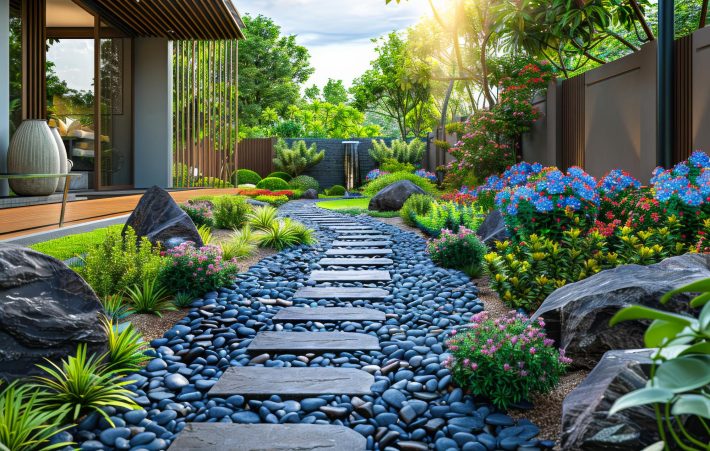
Building Your Backyard Retreat: A Guide to Custom Decks and Pergolas

A home feels complete when the space beyond its doors supports how you actually live. Morning coffee in dappled shade, a casual dinner with friends, kids drifting between lawn games and the fire table—these are the moments that make a house feel like a sanctuary. Designing a true backyard retreat is the fastest way to turn underused square footage into everyday comfort. Written on behalf of Lumen Landscaping, this guide explains how to plan, design, and build a backyard retreat that looks beautiful on day one and functions flawlessly for years—using custom decks and pergolas as the architectural backbone.
We’ll cover layout logic, climate-smart materials, structural fundamentals, lighting and comfort layers, and maintenance strategies. You’ll also get a phased roadmap, a quick-win list for immediate impact, and practical answers to the most common questions homeowners ask when they decide it’s time to create a backyard retreat they’ll actually use.
Why a Backyard Retreat Changes Daily Life
A backyard retreat isn’t a single feature. It’s a coordinated environment where structure, shade, planting, and circulation work together. When the space invites you outside—even on imperfect days—you use it more, entertain more, and decompress more.
What a complete backyard retreat delivers
- Defined outdoor rooms: A dining terrace, a lounge near soft lighting, a grilling alcove, and a play lawn that flows without bottlenecks.
- Comfort in real weather: Shade at noon, wind relief at dusk, and gentle heat when evenings are cool.
- Intentional movement: Steps and paths that guide your feet, not fight them.
- Four-season appeal: Structure and lighting that make the backyard retreat just as welcoming in shoulder seasons.
Why decks and pergolas matter
Custom decks and pergolas supply the “bones” of a backyard retreat. Decks solve grade changes and create level, furniture-friendly surfaces; pergolas provide a ceiling, modulate sun and wind, and create a sense of enclosure that makes outdoor time linger. Together, they turn open yard space into an outdoor room you can actually live in.
Start With a Site Study: The Backbone of a Reliable Plan
Every successful backyard retreat begins with understanding the site you have. Before you shop for furniture or stain colors, gather a few facts.
Sun, wind, and microclimate mapping
- Sun path: Note where heat builds in late afternoon and where morning light feels gentle.
- Prevailing winds: Identify breezes you’ll want to harness or block.
- Microclimates: South walls can bake; north corners stay cool and damp. Designing a backyard retreat that respects these zones prevents buyer’s remorse.
Quick tip: trace desire lines
Stand at your main door and note where your feet naturally want to go. Align stairs, gates, and primary paths with these lines so your backyard retreat matches the way you already move.
Soil, drainage, and grade
Backyards fail when water has nowhere to go. Confirm that surfaces slope 1.5–2% away from the house, direct downspouts into well-designed dispersal zones or rain gardens, and use permeable paving or gravel bands where soils stay wet. Good drainage keeps a backyard retreat open for business even after storms.
For credible guidance on efficient outdoor water use that pairs well with resilient outdoor spaces, see Natural Resources Canada’s resource.
Access and logistics
Tight side yards, mature trees, or long carry distances affect installation techniques and costs. Plan material choices and footing strategies accordingly so your backyard retreat can be built without compromise.
Layout Logic: Zoning Your Backyard Retreat
Think like an interior designer. Each activity gets a “room,” and circulation ties them together.
The four essential zones
- Dining: Close to the kitchen; sized for chairs pushed back plus a 36–42″ walkway.
- Lounge: Oriented to afternoon shade and sunset views; near low-glare lighting.
- Cooking: Non-combustible surround, sheltered from wind; storage within reach.
- Play/Utility: Durable turf or gravel for traffic, with hose access.
Scaling and proportion
A backyard retreat feels generous because zones are right-sized, not oversized. Measure furniture footprints and leave real circulation lanes. A dining pad that actually fits eight beats an expansive terrace with awkward gaps.
Sightlines and privacy
Screens, planting, and pergola infill slats filter views without boxing you in. Place privacy where sightlines originate (e.g., neighbour’s second-story window), not randomly. The best backyard retreat feels open yet calm.
Structural Fundamentals: Footings, Framing, and Code
Decks and pergolas look simple, but they’re load-bearing structures that must meet local codes—especially in climates with freeze–thaw and wind events.
Deck footings and framing
- Frost depth: Footings must extend below local frost lines to prevent heave.
- Post bases: Separate wood from concrete to stop wicking and rot.
- Span tables: Beam and joist sizing isn’t guesswork. Proper spans prevent bounce and keep surfaces silent underfoot—crucial to a refined backyard retreat.
Pergola posts and connections
- Lateral bracing: Tall open frames catch wind; hidden cross-bracing or steel moment frames keep the structure true.
- Ledger details (if attached): Flashing should actually shed water, not trap it.
Safety and accessibility
Guard heights, graspable rails, and consistent rise/run on stairs make your backyard retreat comfortable for everyone—without feeling like a commercial install. Good design hides compliance in elegant details.
For broader site-planning advice that aligns with safe, functional outdoor spaces, see CMHC’s Landscape Planning guide
Materials That Match Your Lifestyle (and Climate)
The right palette sets the tone and determines upkeep. Your backyard retreat will perform only as well as the materials you choose—and how they’re detailed.
Wood, composites, and metals for structure
- Cedar: Naturally rot-resistant, warm to the touch, easily stained.
- Hardwoods (e.g., ipe): Exceptional longevity and refined grain; pre-drilling required.
- Composites/PVC: Low-refinish decking with hidden fasteners; excellent for high-traffic family use.
- Steel/Aluminum: Slim posts and brackets add stiffness and a modern line to a backyard retreat without visual bulk.
Surfaces underfoot
- Large-format pavers: Calm visuals, easy maintenance, great for dining zones.
- Interlock: Repairable and strong for driveways or heavy-use paths.
- Porcelain pavers: Clean, minimal, stain-resistant; require very flat bases.
- Gravel/decomposed granite: Permeable and budget-friendly for secondary zones and transitions.
Finishes and fasteners
Stainless or coated fasteners prevent staining; breathable enhancers on stone protect without gloss; penetrating sealers on concrete reduce salt damage. Small decisions here keep a backyard retreat looking crisp.
Shade, Light, Heat, and Breeze: Comfort Layers That Extend the Season
If you want a backyard retreat you’ll use nine months a year, plan comfort like a pro.
Shade you can dial
Combine pergola rafters with retractable canopies or louvers. Orient slats to block the worst of midday sun and keep spring/fall light welcome. Shade control turns hot slabs into all-day living rooms.
Heat where it matters
Low-profile gas fire tables, overhead electric heaters, and even a well-placed windbreak keep evenings comfortable. Add a fan box into pergola beams for July air movement. These small integrations turn a backyard retreat into a shoulder-season superstar.
Lighting that flatters, not glares
- Recessed stair lights prevent stumbles.
- Downlights from pergola beams create a warm “ceiling glow.”
- Path markers sketch routes with minimal brightness.
Use 2700–3000K colour temperature. Warm white reads hospitable and keeps foliage tones natural.
Planting Framework: The Soft Architecture Around Structure
Planting is the frame that makes the structure feel at home.
The four-layer planting plan
- Canopy and ornamentals for scale and seasonal show.
- Evergreen “bones” to carry winter.
- Shrub masses that define rooms and screen edges.
- Perennials/grasses for movement and colour.
Choose drought-tolerant, region-appropriate species so a backyard retreat remains low-maintenance and cohesive. Use repetition for a calm rhythm; a limited palette reads sophisticated.
Water and Drainage: Invisible Work That Saves Visible Surfaces
Surface falls and thresholds
Patios and decks should drain away from doorways. Consider channel drains at low thresholds and a gravel “drip strip” against masonry to reduce splash stains.
Permeable strategies
Permeable paving in low spots and gravel bands beneath stair landings move water into the soil, reducing icing and plant stress. Designing this way ensures your backyard retreat is open after every storm.
Budgeting and Phasing Without Rework
A great plan makes room for real-world budgets.
What drives cost
Access, elevation changes, total structure, lighting, and utilities. Sometimes a smaller, detail-rich backyard retreat feels more luxurious than an expansive, under-detailed one.
Phasing roadmap
- Phase 1: Footings, primary deck, main patio, conduits.
- Phase 2: Pergola, privacy screens, primary lighting.
- Phase 3: Outdoor kitchen, fire features, planting layers, furnishing.
Design once, build in stages—your backyard retreat looks complete at each step.
Construction Quality: The Checklist Pros Use
Bases, footings, and compaction
Photograph footings before backfill; compact aggregate in lifts; proof-roll subgrade. Quiet, solid footing is the signature of a well-built backyard retreat.
Edges and interfaces
Steel edging where wood meets gravel; picture-frame deck borders that hide end grain; precise transitions to doorsills. Edges determine whether the backyard retreat looks “finished” or “almost.”
Night walk QA
Dim the lights and walk barefoot. You’ll catch glare, dark spots, and trip risks that daylight hides.
19 Design Moves That Make Everyday Use Better
- A double border band that subtly frames the dining terrace
- A bar ledge along the railing for impromptu mingling
- Low step treads that double as overflow seating
- A slatted screen that aligns with interior window mullions
- Herb planters flanking the grill within arm’s reach
- A “rug” inlay pattern under the lounge set for visual anchoring
- Warm-white LEDs tucked under coping for night glow
- A fan prewire box inside the pergola beam
- Cable railing to preserve sightlines across the yard
- A trellis tunnel that turns a path into a moment
- A small water bowl or rill that masks street noise
- A cedar cube that hides hose reels near planting beds
- A gravel “drip line” at the base of walls to resist splash
- A stepping pad where people naturally cut a corner
- A small raised plinth for a sculptural planter focal point
- A recessed outlet near the lounge for laptops or blankets
- A movable shade sail attachment for hot late-summer angles
- A micro–wood storage niche near the fire feature
- A gate latch height set for kids’ reach but adult ergonomics
Fold a few into your plan and your backyard retreat gains the polish of a well-thought-out interior.
Real-World Mini Case Studies: Three Paths to a Backyard Retreat
The entertainer’s platform
A small yard felt cramped. We expanded the dining pad by 24″, rotated the lounge 15 degrees to catch prevailing breezes, and added a louvered pergola for midday shade. A simple border band defined zones without walls. The result: a compact backyard retreat that hosts twelve comfortably and cleans up fast.
The family-first hub
With kids and a dog, durability mattered. We used composite decking for high-traffic platforms, a textured paver for play-adjacent surfaces, and a cedar screen that hides bins without blocking airflow. The backyard retreat reads as calm, not cluttered—because storage lives inside benches and under the stair landing.
The quiet corner
A north-side strip became a reading nook. A slim deck hugs the fence, a vine-covered trellis softens the boundary, and one downlight kisses the page after dusk. Proof that a backyard retreat can be small and still feel luxurious.
Maintenance Made Simple: Protecting Your Investment
Seasonal rhythm
- Spring: Inspect joints, wash gently, confirm fasteners, re-oil cedar accents.
- Summer: Raise umbrellas early, clean filters and fans, spot-treat stains.
- Fall: Leaf management, drain irrigation, top up polymeric joints, cover heaters.
- Winter: Mark edges for snow, avoid metal shovels on delicate surfaces.
Finish schedules
Set realistic cycles: semi-transparent stains every 2–3 years, sealer on concrete or stone as recommended by product, hardware checks annually. A light but steady routine keeps the backyard retreat looking new.
Why Choose “Lumen Landscaping”
Lumen Landscaping treats outdoor living as architecture. We design with climate, structure, and daily life in mind—then build with craftsmanship that shows up every time you step outside. From the first sketch to the final punch list, your backyard retreat benefits from:
- Design–build alignment: One accountable team from concept to completion.
- Climate-smart detailing: Footings to frost depth, drainage that actually drains, joints that last.
- Material fluency: Cedar, hardwoods, composites, steel, porcelain, and pavers used where they shine.
- Clean sites and clear communication: Tidy staging, respectful crews, predictable timelines.
- Aftercare plans: A simple maintenance calendar and seasonal check-ins so your backyard retreat stays crisp.
We don’t sell features. We deliver environments that make your home feel bigger, calmer, and easier to love.
Turn Ideas Into a Backyard Retreat You’ll Use Every Day
A retreat isn’t a purchase; it’s a sequence of good decisions. Begin with a site study, zone the space for real life, choose materials that match your maintenance style, and build structure that respects code and weather. Layer in shade, light, and comfort, then finish with planting that frames the scene all year. When those pieces click, a backyard retreat becomes the room you use the most—without adding a single square foot inside.
Ready to see what your property can do? Contact Lumen Landscaping for a design consultation. We’ll map sun and wind, present options, and deliver a phased plan to build a backyard retreat that’s beautiful, resilient, and easy to maintain.
Frequently Asked Questions
1) What’s the first step to planning a backyard retreat that doesn’t feel piecemeal?
Start with a site study and a simple zoning plan. Map sun, wind, drainage, and desire lines, then assign zones for dining, lounging, cooking, and play. When circulation is solved first, your backyard retreat feels cohesive even as you add features over time.
2) Do I need a permit to build a backyard retreat with a deck and pergola?
Many municipalities require permits for structural platforms, attached pergolas, and any work above certain heights. Checking early protects safety and resale while ensuring your backyard retreat complies with code from day one.
3) Which materials last longest in a backyard retreat with heavy use?
Composites for decking, steel or aluminum for posts, textured pavers for dining zones, and breathable-finish natural stone for accents. The key isn’t just material—it’s detailing. Proper bases, fasteners, and drainage make a backyard retreat durable over decades.
4) How do I make a small yard feel like a true backyard retreat?
Right-size zones, use multi-function steps as seating, keep a restrained palette, and orient the lounge to shade and views. A few smart moves create the feeling of a backyard retreat without needing more square footage.
5) Can I phase construction and still have a usable backyard retreat each season?
Yes. Build the deck and primary patio with conduits first, add the pergola and lighting next, and finish with kitchen, heaters, and planting. A good plan ensures your backyard retreat looks complete at each step.
6) What lighting strategies make evenings comfortable in a backyard retreat?
Use layered, low-glare light: recessed stair lights for safety, warm downlights in pergolas for ambience, and a few path markers for orientation. Keep colour temperature in the 2700–3000K range so your backyard retreat feels welcoming, not stark.
7) How much maintenance should I expect to keep a backyard retreat looking great?
Plan for light, regular tasks—seasonal washes, joint top-ups, fastener checks, and stain/sealer refreshes on schedule. With a thoughtful design and the right materials, your backyard retreat stays crisp with surprisingly little effort.
Want help turning this guide into a personalized plan, with drawings and a clear budget? Lumen Landscaping can deliver a concept package that makes your backyard retreat easy to visualize, phase, and build.