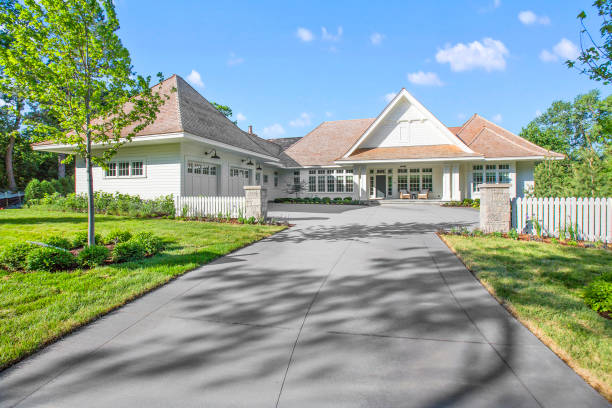
Concrete Driveways Hamilton: Cost, Material Calculator & Planning Guide
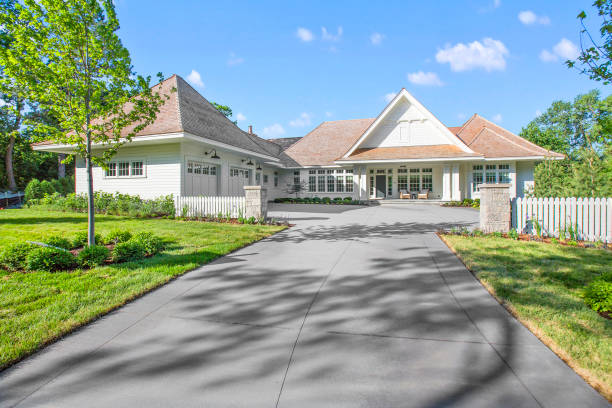
A concrete driveway is one of the most practical and valuable upgrades for any residential property. It provides a clean appearance, improves accessibility, and offers excellent durability when installed correctly. Whether you are replacing an aging driveway or building a new one, understanding material requirements, installation costs, and design options helps you make an informed decision. Homeowners searching for concrete driveways Hamilton services should also consider long term maintenance, climate performance, and contractor experience before beginning a project. This guide explains everything you need to know about planning a concrete driveway that delivers lasting value while enhancing your home’s curb appeal.
Why Choose Concrete Driveways in Hamilton?
Concrete has become one of the most popular driveway materials because it combines strength, longevity, and visual appeal. Unlike some alternatives that require frequent maintenance or replacement, a properly installed concrete driveway can serve homeowners for decades with minimal upkeep. Professional installation ensures the driveway is built on a stable foundation with proper grading and drainage, reducing the likelihood of cracks, settling, and water damage.
Benefits of Concrete Compared to Other Driveway Materials
Concrete offers several advantages that make it an excellent investment for homeowners. It provides a smooth driving surface, supports heavy vehicles, and creates a neat appearance that complements most architectural styles. It also offers greater resistance to weeds, erosion, and loose materials compared to gravel driveways.
Some key advantages include:
- Long service life with proper maintenance
- Strong load-bearing capacity
- Low maintenance requirements
- Clean and modern appearance
- Excellent property value enhancement
Why Concrete Performs Well in Hamilton’s Climate
Hamilton experiences warm summers, heavy rainfall, and freezing winters. These seasonal weather changes can place significant stress on outdoor surfaces. A professionally installed concrete driveway is designed with expansion joints, proper reinforcement, and effective drainage to reduce damage caused by freeze thaw cycles. Quality concrete combined with expert installation helps maintain structural stability despite changing weather conditions.
Concrete vs. Gravel Driveways
Choosing between concrete and gravel depends on budget, maintenance expectations, and long term goals. While gravel offers lower initial costs, concrete generally provides greater durability, improved appearance, and lower maintenance throughout its lifespan.
Comparing Installation Costs and Long Term Value
Gravel driveways usually require a smaller upfront investment because material and installation costs are lower. However, they often require regular grading, additional gravel, and weed control over time. Concrete has a higher initial installation cost but delivers greater long term value through durability and reduced maintenance.
| Feature | Concrete | Gravel |
|---|---|---|
| Initial Cost | Higher | Lower |
| Maintenance | Low | Moderate to High |
| Lifespan | 30+ Years | Requires Ongoing Maintenance |
| Appearance | Modern and Clean | Natural |
| Property Value | Higher | Moderate |
Durability, Maintenance, and Appearance Differences
Concrete provides a stable driving surface that resists rutting, erosion, and shifting. Gravel driveways can develop uneven areas after heavy rain or regular vehicle traffic. From an appearance standpoint, concrete creates a polished finish that complements modern and traditional homes alike, while gravel offers a more rustic look that may require frequent maintenance to preserve its appearance.
How to Estimate Materials for a New Driveway
Proper planning begins with estimating the correct amount of materials before construction starts. Accurate calculations help reduce waste while ensuring sufficient materials are available throughout the project.
Using a Gravel Driveway Calculator for Base Preparation
Although the finished surface may be concrete, the underlying foundation still requires compacted aggregate. A gravel driveway calculator helps estimate the amount of base material required based on driveway length, width, and excavation depth. Proper base preparation plays a major role in supporting the finished concrete slab and preventing future settlement.
Understanding Driveway Calculator Gravel Estimates
Material calculators estimate aggregate volume using measurements of the proposed driveway area. Contractors then convert those calculations into the required amount of gravel needed for excavation and compaction. Working with Lumen Landscaping ensures these calculations are performed accurately while accounting for drainage requirements, soil conditions, and project specifications.
Factors That Affect Concrete Driveway Costs
Concrete driveway pricing depends on multiple variables beyond the size of the project. Understanding these cost factors allows homeowners to prepare realistic budgets before construction begins.
Driveway Size, Thickness, and Site Preparation
Larger driveways naturally require more concrete, reinforcement, and labour. Additional excavation, grading, tree removal, or drainage improvements can also increase installation costs. Thicker concrete may be recommended for properties expecting heavier vehicle loads, further affecting material requirements.
Material Quality, Labor, and Design Features
Premium concrete mixes, decorative finishes, exposed aggregate, borders, and stamped patterns increase both material and labour costs. Skilled installation is equally important because proper finishing techniques directly influence durability and long term appearance. Investing in quality workmanship often reduces future maintenance expenses.
Planning Your Concrete Driveway Project
Successful driveway installation begins with detailed planning. Careful consideration of layout, drainage, property access, and local requirements helps avoid unnecessary delays and future problems.
Choosing the Right Driveway Size and Layout
The driveway should comfortably accommodate daily vehicle use while allowing safe entry and exit from the property. Wider driveways may improve accessibility, while curved layouts can better complement certain landscape designs. Planning for future parking needs also helps maximize long term functionality.
Drainage, Permits, and Property Considerations
Effective drainage prevents standing water that can weaken the driveway foundation over time. Depending on the project scope, permits or municipal approvals may also be required. Evaluating property grading, nearby landscaping, and utility locations before construction helps ensure a smooth installation process.
Design Options for Concrete Driveways
Concrete offers far more design flexibility than many homeowners realize. Modern finishing techniques allow driveways to become attractive landscape features while maintaining excellent durability.
Plain, Stamped, Exposed Aggregate, and Decorative Finishes
Plain concrete remains the most economical option while providing a clean and professional appearance. Stamped concrete replicates the look of stone, brick, or slate using decorative patterns. Exposed aggregate highlights natural stone within the concrete surface for added texture, while coloured concrete creates a customized appearance that complements surrounding landscaping.
Selecting a Style That Complements Your Home
Choosing the right finish depends on architectural style, landscaping, and personal preference. Coordinating driveway colours with walkways, patios, and garden features creates a cohesive exterior design that enhances curb appeal and overall property aesthetics.
Common Mistakes to Avoid During Driveway Installation
Even premium materials cannot compensate for poor construction practices. Avoiding common installation mistakes significantly improves the lifespan of a concrete driveway.
Inadequate Base Preparation and Poor Drainage
A weak foundation often leads to cracking, settlement, and uneven surfaces. Proper excavation, compaction, and drainage planning ensure the driveway remains stable despite seasonal weather changes.
Choosing Materials Based Only on Initial Cost
Selecting the least expensive materials may reduce initial costs but often results in greater maintenance expenses and shorter service life. Long term durability, weather resistance, and installation quality should all be considered before making a final decision.
Maintaining Concrete Driveways for Long Term Performance
Routine maintenance preserves both appearance and structural integrity while extending the lifespan of the driveway.
Cleaning, Sealing, and Crack Prevention Tips
Regular sweeping and occasional pressure washing remove dirt, leaves, and debris before staining occurs. Applying a quality concrete sealer helps protect against moisture penetration, road salt, and surface wear. Small cracks should be repaired promptly before they expand.
Seasonal Maintenance for Hamilton Weather Conditions
Winter snow removal should be performed carefully to avoid damaging the concrete surface. Annual inspections help identify drainage issues or minor repairs before they become larger problems. Homeowners planning additional concrete work Hamilton projects should also evaluate surrounding walkways, patios, and hardscaping to maintain a consistent appearance throughout the property.
How to Choose the Right Concrete Driveway Contractor in Hamilton
Selecting an experienced contractor ensures the project is completed using proper construction techniques and quality materials.
Questions to Ask Before Hiring a Contractor
Before hiring a contractor, homeowners should ask about:
- Previous driveway projects
- Warranty coverage
- Estimated project timeline
- Material recommendations
- Drainage planning
- Maintenance advice
Clear communication helps establish expectations before construction begins.
Experience, Warranties, and Project Portfolio
Reviewing completed projects allows homeowners to evaluate workmanship and design quality. Experienced contractors also provide written warranties and detailed project plans that demonstrate confidence in their services and commitment to customer satisfaction.
Why Homeowners Choose Lumen Landscaping
Choosing the right contractor plays a major role in achieving long lasting results.
Expert Concrete Driveways Hamilton Installation Services
Lumen Landscaping specializes in designing and installing durable concrete driveways that improve curb appeal while providing exceptional long term performance. Every project begins with careful planning, professional site preparation, and quality workmanship.
Quality Craftsmanship, Durable Materials, and Professional Project Management
From consultation through project completion, every installation is managed with attention to detail, premium materials, and reliable communication. The result is a concrete driveway built to withstand Hamilton’s climate while enhancing the appearance and functionality of the property.
Conclusion
A professionally installed concrete driveway offers lasting durability, attractive curb appeal, and excellent long term value for homeowners in Hamilton. By selecting quality materials, understanding project costs, planning carefully, and working with experienced professionals, you can enjoy a driveway that performs reliably for decades. Whether you are replacing an existing driveway or planning a new installation, taking the time to evaluate your options will help you achieve the best possible results. If you are ready to begin your project, contact the team at Lumen Landscaping for expert guidance and professional driveway installation services.
FAQs
1. How long does a concrete driveway last?
A professionally installed concrete driveway can last 30 years or more with proper maintenance and routine care.
2. Is concrete better than gravel for driveways?
Concrete generally offers greater durability, lower maintenance, and better curb appeal, while gravel provides a lower initial installation cost.
3. What factors affect concrete driveway costs?
Driveway size, thickness, excavation, drainage, material quality, decorative finishes, and labour all influence the final project cost.
4. Should a concrete driveway be sealed?
Yes. Sealing helps protect the surface from moisture, stains, road salt, and weather related damage while extending its lifespan.
5. Why is proper base preparation important?
A properly compacted foundation supports the concrete slab, improves drainage, and helps prevent cracking, settling, and uneven surfaces over time.