
Essential New Sod Care Tips for a Healthy Lawn: Watering, Maintenance & Aftercare
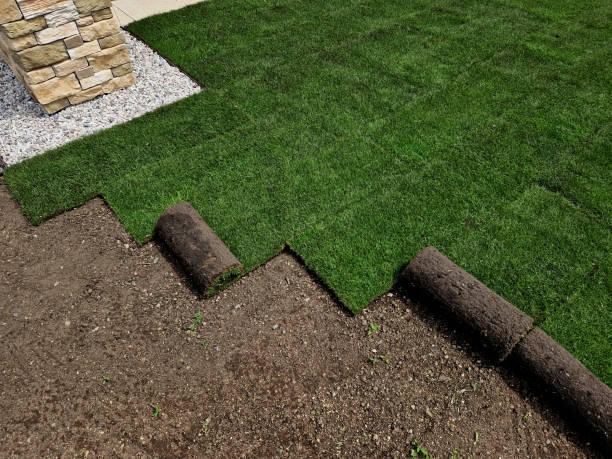
Installing new sod is one of the fastest ways to achieve a lush, green lawn, but the work does not end once the sod has been laid. Proper aftercare is essential to help the grass establish strong roots and develop into a healthy, long lasting lawn. The first few weeks after installation are especially important because the sod depends on consistent watering, careful maintenance, and limited disturbance while it adapts to the soil beneath it. Homeowners investing in sod installation Hamilton services should understand that proper maintenance during the establishment period has a direct impact on the lawn’s future appearance and durability. By following the right watering schedule and maintenance practices, you can encourage healthy root growth while reducing the risk of patchy grass, disease, and unnecessary repairs.
Why Proper New Sod Care Is Essential
Freshly installed sod requires consistent attention because it has not yet developed a strong root system. Unlike an established lawn, newly laid sod relies almost entirely on the moisture available within the soil until roots begin growing downward. During this stage, proper watering, mowing, and traffic management all contribute to successful establishment. Neglecting these early maintenance steps can delay rooting, weaken the grass, and increase the likelihood of long term lawn problems.
How the First Few Weeks Affect Long Term Lawn Health
The first several weeks after installation determine how successfully the sod becomes part of the existing landscape. Healthy roots anchor the turf into the soil, allowing the grass to absorb nutrients, tolerate weather changes, and recover from everyday use. Consistent moisture during this period prevents the sod from drying out while encouraging roots to grow deeper into the prepared soil. Once strong roots are established, the lawn becomes more resilient and requires less intensive maintenance.
Common Challenges After Sod Installation in Hamilton
Hamilton experiences changing weather conditions that can influence how quickly new sod establishes. Warm temperatures, windy days, heavy rainfall, or periods of drought all affect soil moisture levels. Uneven watering, poor drainage, or compacted soil may slow root development and create stressed areas within the lawn. Monitoring the condition of the sod every day during the early stages allows homeowners to make adjustments before small problems become larger concerns.
New Sod Watering Schedule Explained
Watering is the single most important factor influencing successful sod establishment. The goal is to maintain consistently moist soil without creating excessive standing water that may weaken developing roots.
Watering During the First Week After Installation
The first week is the most critical period for newly installed sod. Moisture should reach both the sod layer and the soil beneath it so roots can begin growing downward. Watering should be deep enough to keep the soil evenly moist throughout the day without allowing it to dry completely. Early morning watering is generally the most effective because it reduces evaporation while allowing excess moisture on the grass blades to dry naturally later in the day.
Several factors influence watering frequency, including:
- Daily temperature
- Wind exposure
- Soil type
- Amount of direct sunlight
- Natural rainfall
Rather than following a fixed schedule, homeowners should monitor soil moisture regularly and adjust watering based on changing weather conditions.
Adjusting Your Watering Schedule as the Sod Establishes
As roots begin attaching to the underlying soil, watering frequency should gradually decrease while watering depth increases. This encourages roots to grow deeper rather than remaining near the surface. Deep watering strengthens the lawn and improves its ability to tolerate dry conditions in the future. Sudden changes should be avoided, as reducing moisture too quickly can place unnecessary stress on developing grass.
Around this stage of the establishment process, many homeowners seek additional guidance from Lumen Landscaping to ensure watering schedules and maintenance practices are properly adjusted based on seasonal conditions and the specific needs of their newly installed lawn.
Best Practices for New Sod Care
Watering alone is not enough to establish a healthy lawn. Proper mowing, fertilization, and routine observation all contribute to successful root development and long term lawn performance.
When to Mow Your New Lawn for the First Time
The first mowing should only take place after the sod has rooted firmly into the soil. Pulling gently on a corner of the sod can help determine whether roots have begun attaching successfully. If the sod lifts easily, additional time is needed before mowing. Waiting until the grass reaches an appropriate height while ensuring mower blades are sharp helps prevent unnecessary stress on the young lawn. Removing only a small portion of the grass height during the first mowing encourages continued healthy growth.
Fertilizing and Promoting Healthy Root Growth
Proper fertilization supports vigorous root development while providing nutrients needed for healthy green growth. Applying fertilizer at the appropriate stage encourages stronger establishment without overstimulating leaf growth before roots are fully developed. Soil quality also influences long term success, making proper preparation before installation equally important. Homeowners should follow recommended fertilization schedules while avoiding excessive applications that may damage newly established grass.
How to Know If Your Sod Is Rooting Properly
Understanding the signs of healthy establishment allows homeowners to monitor progress and identify potential problems early. Newly installed sod gradually becomes stronger as roots penetrate deeper into the prepared soil and begin absorbing water and nutrients independently.
Signs of Healthy Sod Establishment
Healthy sod typically shows consistent green colour, steady growth, and increasing resistance when gently lifted at the edges. As rooting progresses, the lawn becomes more stable underfoot while requiring less frequent watering. Uniform growth across the entire lawn also indicates that moisture, sunlight, and soil conditions are supporting successful establishment. These positive signs demonstrate that the sod is adapting well and developing into a durable, long lasting lawn.
Warning Signs That Your New Sod Needs Attention
Although most newly installed sod establishes successfully with proper care, homeowners should remain alert for signs that indicate the lawn may require additional attention. Early identification of potential problems allows corrective action before permanent damage occurs. Discoloration, dry patches, poor rooting, or uneven growth often indicate issues related to watering, soil preparation, or environmental conditions.
Yellowing grass, curling blades, or areas that remain loose after several weeks may suggest that the roots are not developing as expected. Soft, soggy areas can indicate excessive watering or poor drainage, while dry edges often result from insufficient moisture. Regular inspections help ensure these concerns are addressed promptly, allowing the lawn to recover before more significant issues develop.
Common Mistakes to Avoid After Sod Installation
Many lawn problems occur because newly installed sod receives improper care during its establishment period. Avoiding common mistakes greatly improves the likelihood of developing a healthy, dense lawn that performs well for years.
Overwatering, Underwatering, and Heavy Foot Traffic
Maintaining the correct moisture level is essential. Overwatering can reduce oxygen availability within the soil, encouraging shallow root systems and increasing the risk of fungal disease. Underwatering causes the sod to dry out before roots become established, weakening the grass and slowing development.
Heavy foot traffic should also be avoided during the first several weeks. Walking repeatedly across newly installed sod can disturb the developing root system and create uneven areas before the grass has anchored itself securely into the soil.
Some important practices include:
- Keep soil consistently moist during establishment.
- Avoid standing water on the lawn.
- Limit walking on the sod whenever possible.
- Monitor the lawn daily during the first few weeks.
- Adjust watering according to weather conditions.
Mowing Too Soon and Using the Wrong Lawn Care Products
Cutting the grass before it has rooted properly can pull sections of sod loose and interrupt healthy establishment. Waiting until the sod has firmly attached to the soil ensures mowing does not damage the developing lawn. Using dull mower blades may also tear grass rather than cutting it cleanly, increasing stress on young turf.
Applying unsuitable fertilizers, herbicides, or weed control products too early may also interfere with healthy growth. Following recommended lawn care schedules helps protect the sod while encouraging stronger root development.
Seasonal Sod Care Tips for Hamilton Homeowners
Seasonal maintenance helps protect the lawn throughout the year while supporting continued healthy growth. Adjusting care routines according to changing weather conditions ensures the sod remains healthy long after installation.
Caring for New Sod During Spring and Summer
Spring and summer are active growing seasons, making regular watering and mowing especially important. As temperatures increase, moisture levels should be monitored more frequently to prevent the soil from drying excessively. Proper mowing height encourages healthy grass growth while helping retain soil moisture.
Routine inspections for weeds, insects, and signs of stress also allow homeowners to address minor concerns before they become larger maintenance problems.
Preparing Your Lawn for Fall and Winter
Autumn provides an opportunity to strengthen the lawn before colder temperatures arrive. Gradually adjusting watering schedules while maintaining proper mowing practices supports continued root growth during cooler weather. Removing fallen leaves and debris prevents moisture buildup that may contribute to disease.
Preparing the lawn before winter also reduces the likelihood of damage caused by freezing temperatures, helping the grass return healthy and vigorous when spring arrives.
How Professional Sod Installation Improves Long Term Results
Although proper maintenance plays an important role, successful lawns begin with professional installation. Quality workmanship during the installation process creates the foundation for healthy long term growth.
Proper Soil Preparation and Grading
Healthy sod requires healthy soil. Professional installers prepare the site by removing debris, improving soil quality, grading the property correctly, and creating a smooth surface before installation begins. Proper grading also promotes effective drainage, preventing water from pooling beneath the sod and reducing future lawn problems.
A stable, well prepared foundation encourages faster rooting while supporting even grass growth across the entire property.
Why Professional Installation Supports Faster Root Establishment
Professional installation ensures the sod is laid tightly with proper soil contact, allowing roots to establish more quickly. Experienced installers understand moisture management, soil preparation, and grading techniques that contribute to long term lawn health. Homeowners looking for high quality sod Hamilton services benefit from professional installation because every stage of the project is completed according to proven industry standards.
When to Contact a Sod Installation Professional
While many minor issues can be corrected through routine maintenance, some situations require professional evaluation to prevent long term damage.
Signs Your Lawn Is Struggling After Installation
If large sections of the lawn remain loose, develop widespread discoloration, fail to establish roots, or show persistent drainage problems, professional assistance may be necessary. Uneven settlement, standing water, and extensive dry areas often indicate underlying issues that require expert assessment.
Seeking assistance early allows corrective measures to be implemented before significant portions of the lawn require replacement.
How Expert Maintenance Can Restore Lawn Health
Professional lawn care specialists can evaluate soil conditions, irrigation practices, nutrient deficiencies, and drainage performance to identify the cause of poor establishment. Recommendations may include adjusting watering schedules, improving drainage, applying appropriate fertilizers, or replacing damaged sections of sod when necessary. Early intervention often restores lawn health while protecting the original investment.
Why Homeowners Choose Lumen Landscaping
Professional sod installation requires careful planning, quality materials, and ongoing support throughout the establishment period. Homeowners trust experienced professionals because proper installation directly influences long term lawn performance.
Professional Sod Installation Hamilton Services
Lumen Landscaping provides professional sod installation services designed to create healthy, attractive lawns that establish quickly and perform well throughout Hamilton’s changing seasons. Every project begins with careful site preparation, premium sod selection, and expert installation techniques that encourage successful root development.
Expert Lawn Installation, Aftercare Guidance, and Long Term Lawn Solutions
Beyond installation, homeowners receive valuable aftercare guidance that supports healthy lawn establishment during the critical first weeks. By combining professional workmanship with practical maintenance recommendations, Lumen Landscaping helps homeowners enjoy dense, green lawns that remain attractive and durable for many years.
Conclusion
Proper new sod care is essential for developing a healthy lawn that remains beautiful and resilient over the long term. Consistent watering, careful mowing, appropriate fertilization, and routine inspections all contribute to successful root establishment during the critical first weeks after installation. By avoiding common mistakes and following recommended maintenance practices, homeowners can protect their investment while encouraging strong, healthy grass growth. For expert sod installation, professional guidance, and long term lawn care solutions, Request Your Free Estimate today and let experienced professionals help you achieve a lush, healthy lawn.
FAQs
1. How often should I water newly installed sod?
New sod should be watered frequently enough to keep both the sod and underlying soil consistently moist during the first week. As roots establish, watering should gradually become deeper and less frequent.
2. When can I mow my new sod for the first time?
Mow only after the sod has firmly rooted into the soil and the grass has reached an appropriate mowing height. Using sharp mower blades helps prevent unnecessary stress.
3. How do I know if my sod is rooting properly?
Healthy sod develops a strong attachment to the soil, maintains a consistent green colour, and shows steady new growth across the lawn.
4. What are the most common mistakes after sod installation?
Overwatering, underwatering, mowing too early, heavy foot traffic, and improper fertilizer use are among the most common mistakes that can delay successful establishment.
5. Why should I choose professional sod installation?
Professional installation includes proper soil preparation, grading, quality materials, and expert installation techniques that promote faster root establishment and healthier long term lawn performance.
