
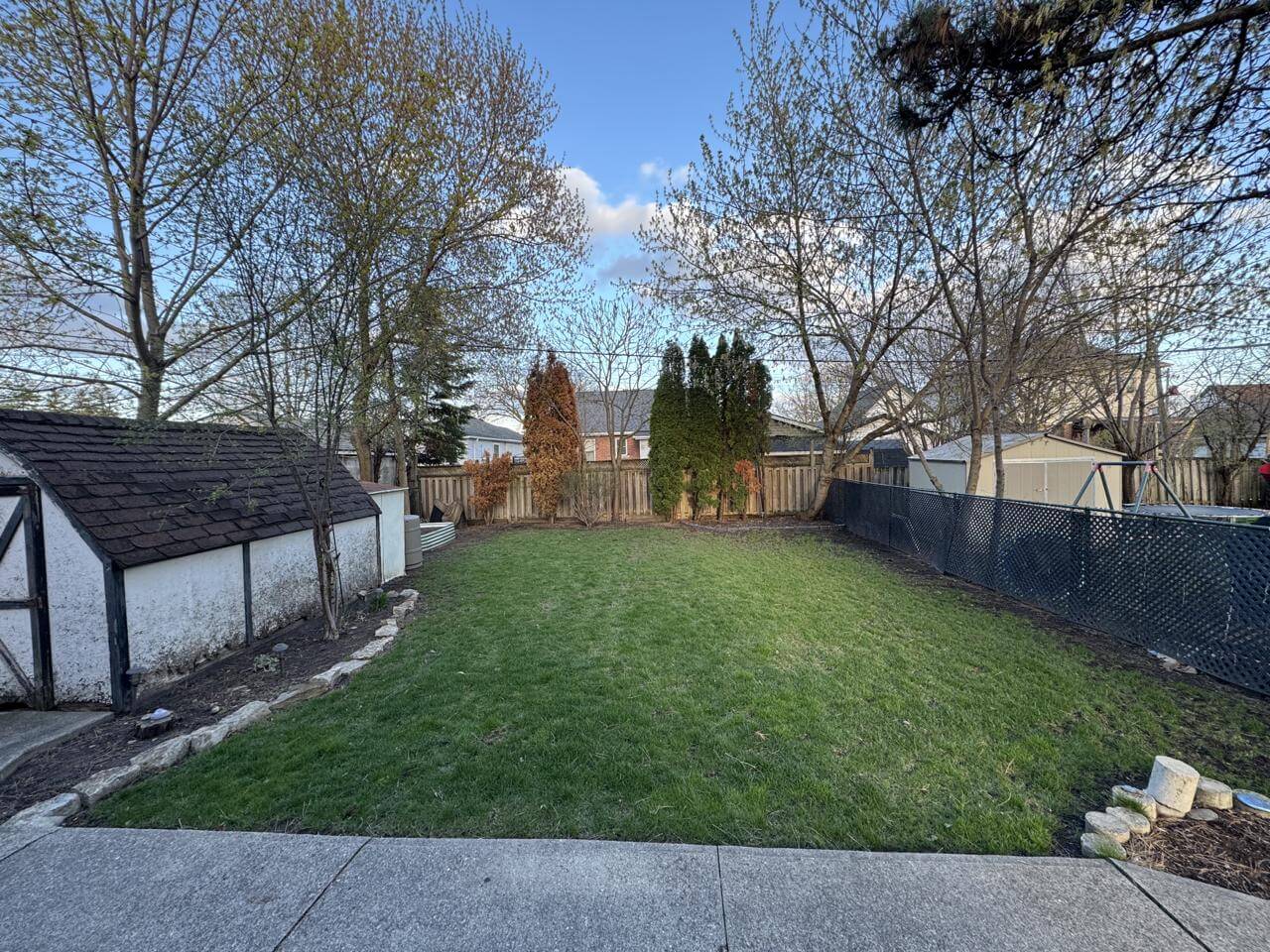
Our Lawn Is Bumpy, Uneven and Full of Low Spots
Dips that turn an ankle, ridges you can feel through your shoes, a mower that scalps the high spots and skips the low ones. A bumpy lawn is ground that has settled, heaved or been dug, and it is fixed from the soil up. Lumen Landscaping levels bumpy and uneven lawns across Hamilton: call (905) 906-0671 or send the form for a free written quote.
- Fully insured
- 1-year craftsmanship warranty
- Hamilton owned and operated
Quick to quote, quick to start, we answer every call.
Serving Hamilton, Burlington, Oakville and the wider region, from Guelph to Niagara.
Get your fast, free quote
We reply fast, usually within the hour.
The problem
What you are living with
You feel it before you see it. The lawn rolls under your feet, the kids trip on the same ridge every time they play out back, and the mower bounces across the yard, scalping the bumps down to the dirt and leaving the dips shaggy. After a rain, water sits in the low spots for a day. Every spring there seem to be a few new soft spots, and last year's lumps are a little higher. From the back step the yard looks fine. Walk it, and it is bumps, dips and low spots from one fence to the other.
People call it a bumpy lawn, a lumpy yard, an uneven backyard or a lawn full of dips. It is all the same thing: the ground under the grass is no longer one even surface. Something under it settled, heaved or was dug, and the grass simply grew over the result. Seed will not flatten it, and rolling it only packs the clay harder without moving the bumps.
This page works through why a lawn goes bumpy in Hamilton yards, what you can check yourself, and how we level it so it stays level. A few dips and a whole lumpy yard are different jobs, and it is usually easy to tell which one you have.
Our Work
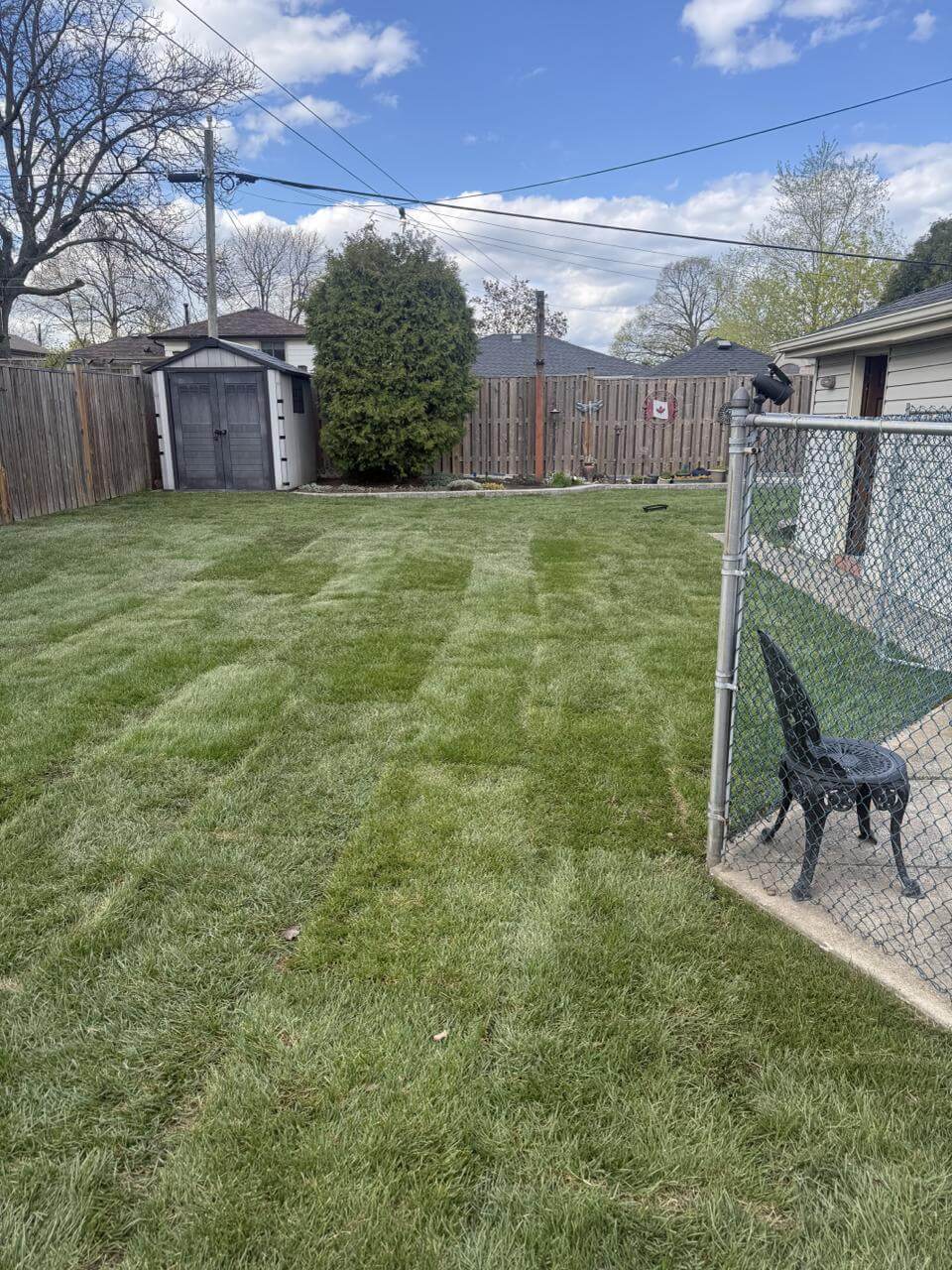
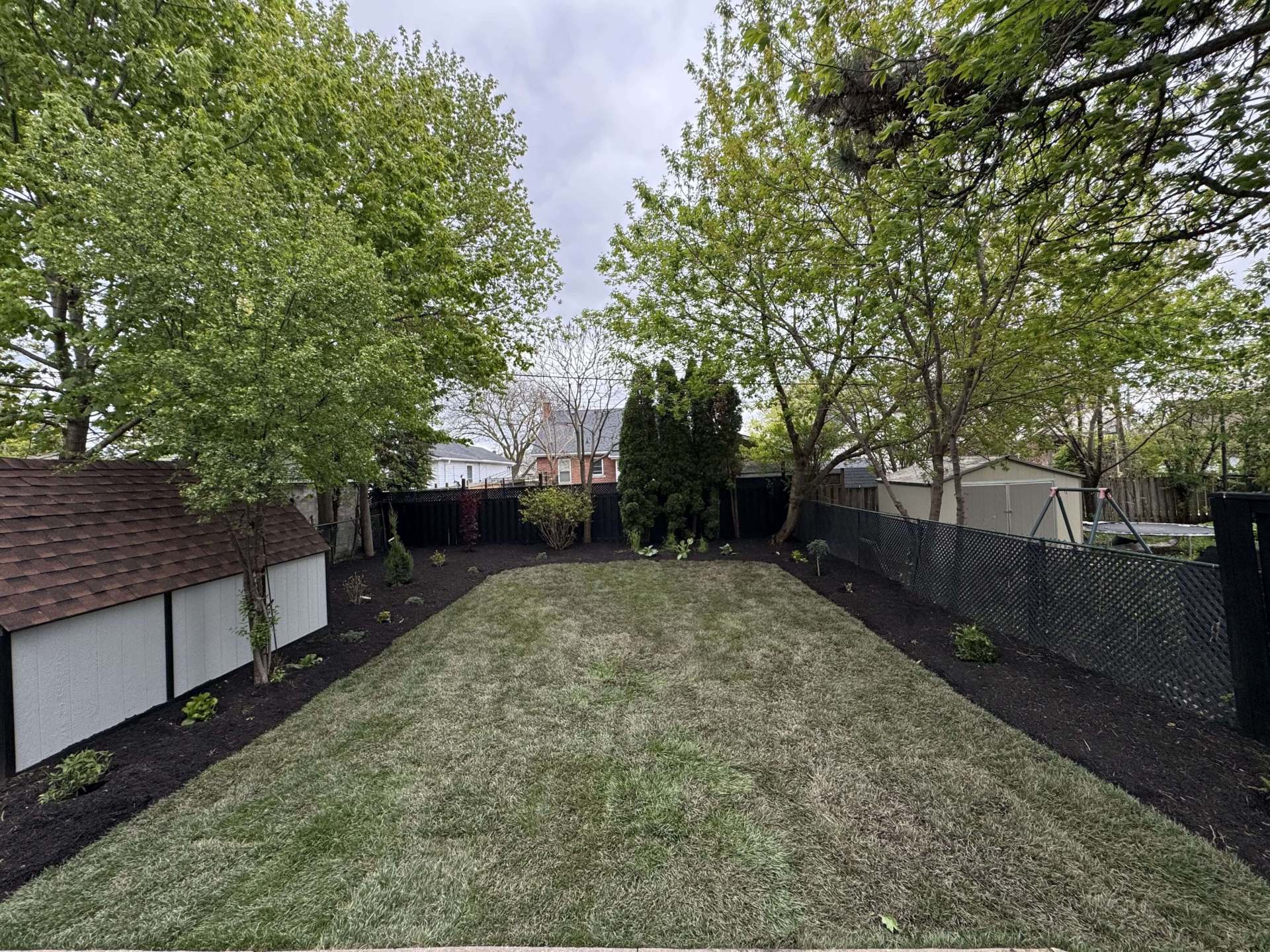
Levelled yards and new lawns from our crew


Why a lawn goes bumpy
A lawn goes bumpy for a handful of reasons, and most uneven yards in Hamilton have two or three of them at once.
- Settling over old trenches: Most yards have been dug at some point: a water or gas line, a sewer lateral, the backfill around the foundation, an old pool or a buried stump. Loose fill settles for years, and the lawn over it sinks into a long dip or a soft low spot.
- Frost heave: Water in the soil freezes, expands and pushes the ground up, then lets it down unevenly in the thaw. That is why so many lawns feel bumpier after winter, especially on wet clay.
- Clay that swells and shrinks: Much of Hamilton sits on clay. It swells when it is wet and cracks and shrinks in a dry July, so the surface moves every season, and a thin skim of topsoil over it moves with it.
- Tree roots: Roots near the surface lift the lawn in ridges that run out from the trunk, and a stump left in the ground rots away and leaves a hollow that keeps sinking.
- Builder's fill: On a newer lot the yard was backfilled and graded fast, and it keeps settling for years. If the grass is thin and dying as well as lumpy, read our page on a new build lawn that is failing.
- Animals digging: Skunks and raccoons tearing up the turf for grubs leave a lumpy mess of their own, covered on our page about a lawn dug up by skunks or raccoons.
Google reviews
What our customers say
“The team did an excellent job re-sodding our backyard. They were professional, careful working around our pool, and the finished result looks fantastic.”
“I recently had Lumen remove the surface of our weed-infested lawn and replace it with fresh sod on the larger of two areas, and river rock on the smaller area. It was a pleasure dealing with Jeff at Lumen.”
“Excellent experience with Lumen Landscaping. Efficient, knowledgeable, hardworking, and my lawn looks fantastic. Highly recommend! I had Lumen landscape a second project one year later. Same terrific experience.”
The fix
How we level a bumpy yard
Strip it. We take the old lawn off the uneven area, roots and all, so we are working on the soil itself and not on grass laid over the bumps. Roots and rubble near the surface come out at the same time, because whatever is left under there keeps moving.
Level it with topsoil, or regrade it. The high spots are cut down and the low spots and dips are built up with soil in thin layers, each one compacted so it does not settle into a new dip next spring. Topsoil goes on to the finished grade, raked smooth with a gentle fall so rain runs off instead of sitting in the grass. It is the same yard levelling we do before any new lawn or patio.
New sod on top. Then we lay new sod, tight and rolled for good contact, and leave a written care plan to get it rooted. Sod laid on an even, compacted base stays even, which is the whole point.
When it is a bigger regrade. If the lawn is not just bumpy but tilts the wrong way, with water running toward the foundation or a damp basement wall after storms, levelling the surface is not enough. The slope itself has to change so the ground falls away from the house, and the downspouts have to let out past it. That is the work on our page about water draining toward the house, and we often do both as one project, with the same crew.

Check this yourself first
Twenty minutes with a straight board and a few garden stakes will tell you which kind of bumpy lawn you have.
- Walk it slowly: Walk the lawn in straight lines and push a stick or a flag in at every dip and ridge you feel. A few flags in one place is a local problem. Flags everywhere means the whole yard needs levelling.
- The straight board test: Lay a long straight board across the worst area and measure the gap under it at the low point. A shallow gap is a surface fix. A gap you can slide your hand into means the ground under it has settled.
- Look for a line: A dip that runs in a straight line from the house toward the street is almost always an old trench for a water, gas or sewer line. Ridges around a tree are roots. A hollow where a tree used to be is a rotting stump.
- Watch it after a rain: Note whether water sits in the dips and which way it runs off. Water that sits for days is a drainage problem as well, and our page on water pooling in the yard covers it. Water that runs toward the house means the yard needs a regrade, not just levelling.
- When to call: When the bumps are big enough to turn an ankle or scalp the mower, when they come back every spring, or when the lawn tilts toward the house, call (905) 906-0671. A few photos by text or email are often enough for a quote, with a visit when the yard needs one.

Planning
What a lasting fix includes, and what changes the price
A lasting fix always includes
- Finding why the lawn went bumpy first: a trench, frost, clay, roots or settling fill
- The old lawn stripped where it is uneven, with roots and rubble near the surface taken out
- High spots cut and low spots built up in thin, compacted layers
- Topsoil to the finished grade, with a gentle fall so rain runs off
- New sod laid tight and rolled, with a written care plan
- Downspouts and drainage dealt with, when water is part of the problem
What affects the price
- The size of the area that has to be levelled
- How deep the dips are, and how much soil has to come in or be moved
- Roots, stumps or rubble found under the old lawn
- Whether the yard only needs levelling, or a regrade away from the house as well
- Access for a small machine, or hand work behind a narrow gate
- New sod or garden beds over the work
The rules in plain words. Hamilton’s site alteration by-law lets routine landscaping go ahead without a permit when no more than 15 cm of fill is added anywhere, drainage onto the neighbours does not change and no swale is altered or blocked. Levelling a bumpy lawn usually stays inside that. Where the low spots are deep or the yard needs a bigger regrade, we tell you before we quote whether a permit is needed, and where a dip runs over a buried line we get a locate from Ontario One Call before any digging.
Every quote is written and free, and materials are billed at what they cost us with no markup.
Related
Related pages
Services: grading and sod and lawns. Related problems: water pooling in the yard, a patchy or dead lawn and a sloped backyard you cannot use. Areas: Hamilton, Stoney Creek and Binbrook and Glanbrook. More answers on our FAQ page, and more problems we fix.
FAQs
Bumpy lawn questions
Usually because the ground under it moved. Old trenches and the backfill around the house settle, frost heaves wet clay every winter, tree roots lift it, and builder's fill on newer lots keeps sinking for years. Worm castings and animals digging for grubs add smaller lumps on top. The grass grows over all of it, so the lawn looks fine from the window and feels like a washboard underfoot.
Frost heave. Water in the soil freezes and expands, lifting the ground, and in the thaw it settles back unevenly. Clay holds the most water, so clay lawns heave the most, and soft ground in a wet spring ruts under feet and the mower. Small heaves often settle by late spring. Bumps that are still there in June are worth levelling properly.
We strip the uneven area, cut the high spots and build the low spots up with soil in thin, compacted layers, then spread topsoil to the finished grade with a gentle fall so rain runs off. New sod goes down on top, rolled and watered in, with a written care plan. Done that way it stays level, because nothing is left underneath to keep settling.
Sod takes the shape of whatever it is laid on. If the ground was not levelled and compacted first, or the sod went down over old grass, every bump shows through. On a new build the fill around the house and over the service trenches can keep settling for a few years after the sod is laid. The fix is the same: strip it, level the soil underneath and sod again.
Sometimes. If water sits in the dips for a day or two after rain, the low spots are holding water and the fix includes giving it a way out. If the yard tilts toward the house, it needs a regrade, not just levelling. If the bumps are dry and the water runs off, it is a surface problem, and levelling the lawn fixes it.
Not for most lawns. Hamilton's site alteration by-law lets routine landscaping go ahead without a permit when no more than 15 cm of fill is added anywhere, drainage onto the neighbours does not change and no swale is altered or blocked. Levelling a bumpy lawn usually stays inside that. Deeper fill or a bigger regrade needs a site alteration permit, and we tell you before we quote.
How it works
Getting started is easy
- 1
Call or send the form
Tell us what you have in mind. We reply fast, usually within the hour.
- 2
Get your free quote
We look at your project and send you a clear, written quote quickly.
- 3
We build it
We start quickly and back our craftsmanship with a 1-year warranty.
Get Free Quote
Get a Free Quote to Level Your Lawn
Tell us roughly how big the lawn is and where the bumps and low spots are, and send a few photos if you can. We will tell you whether it needs levelling or a regrade and get back to you fast with a free written quote.