How to Prepare Your Yard for Sod Installation in Hamilton

Installing a new lawn is an exciting way to enhance your home’s appearance, but its success depends on careful preparation. Homeowners in Hamilton who plan for proper sod installation Hamilton will enjoy a lush, healthy lawn that establishes quickly and lasts for years.
Proper yard preparation ensures that the sod has the ideal environment for rooting and growth. From clearing old grass to selecting the right sod type, grading your lawn, and following a correct watering schedule, each step is essential. This guide provides a step-by-step approach for homeowners to achieve a beautiful, long-lasting lawn.
Assessing and Clearing Your Yard
Before laying sod, it is crucial to start with a clean and even yard. Removing existing grass, weeds, rocks, and debris helps the new sod make direct contact with the soil. This contact is necessary for the roots to establish effectively. Homeowners should also examine the yard for drainage issues, as areas with poor water flow may require grading or adjustments before installation. Ensuring the area is cleared and level will make the installation process smoother and more successful.
Soil Preparation in Hamilton
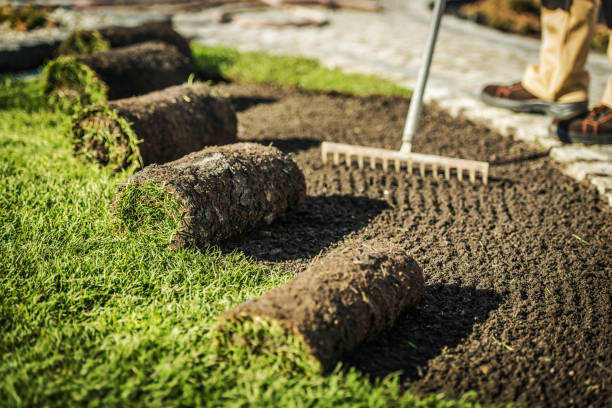
Healthy soil is the foundation of a thriving lawn. For effective soil preparation Hamilton, start by testing the soil’s pH and nutrient content. Most lawns perform best with a slightly acidic to neutral pH, between 6.0 and 7.0. Depending on the results, adding organic matter such as compost can improve soil structure and fertility. Tilling the soil helps break up compacted areas and creates a soft, even base for the sod. After tilling, use a rake to level the soil, removing clumps and low spots, ensuring a smooth surface for installation.
Grading Your Lawn
Proper grading is essential to prevent water from pooling and to encourage even growth. Lawn grading Hamilton involves creating a gentle slope that directs water away from structures, while avoiding excessive steepness that can cause erosion. After grading, lightly compacting the soil helps stabilize the surface without making it too dense, which could hinder root growth. Proper grading ensures your lawn has effective drainage and provides a solid foundation for your sod.
Choosing the Right Sod
Selecting the best sod types Ontario is an important step that impacts the appearance, durability, and maintenance of your lawn. Kentucky Bluegrass is known for its rich green color and hardiness in sunny areas, while Fescue performs well in both sun and shade and requires less water. Perennial Ryegrass establishes quickly and is ideal for areas with high foot traffic. Consider the sunlight exposure, intended use, and desired maintenance level when choosing the sod that best fits your yard.
Laying Sod: Step-by-Step
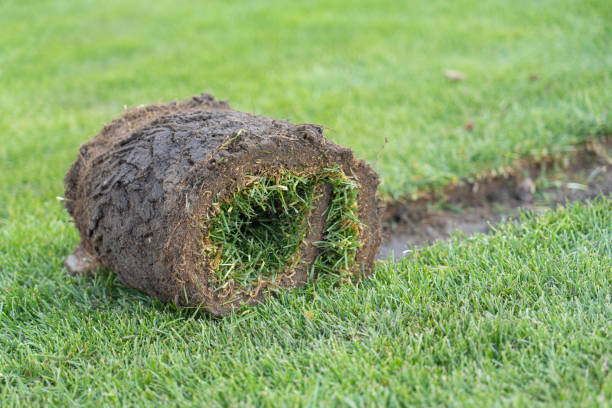
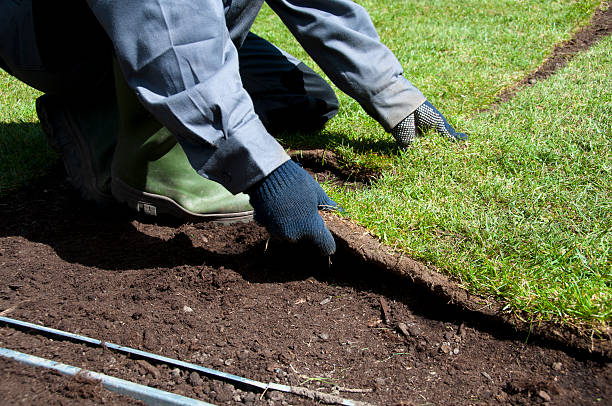
Once your yard is prepared, sod installation can begin. Start by planning the layout, preferably along a straight edge such as a driveway or walkway. Lay the sod in a staggered pattern to avoid continuous seams and ensure tight contact with the soil below. For curves, trees, or flower beds, cut pieces to fit the contours carefully. After placement, press down the sod lightly to make firm contact with the soil, which encourages root establishment. Minimizing foot traffic during the first few weeks allows the roots to take hold without disruption.
Watering Schedule After Sod
A proper watering schedule after sod is essential for healthy root growth. For the first two weeks, water the sod daily, preferably in the morning and evening, keeping the top inch of soil consistently moist. In the following weeks, gradually reduce the frequency to every other day, encouraging the roots to grow deeper. Monitor the sod carefully to avoid overwatering, which can lead to shallow roots, or underwatering, which can cause browning and stress. Maintaining a consistent watering routine is key to establishing a resilient lawn.
Lawn Maintenance for Burlington Homeowners
Once your sod is established, ongoing lawn maintenance Burlington ensures it remains healthy and attractive. Mowing should begin when the grass reaches about three inches, removing no more than a third of the blade at a time. Fertilization a few weeks after installation helps support strong growth, and periodic aeration relieves soil compaction, allowing air, water, and nutrients to reach the roots. Homeowners should also monitor for pests or disease and address any issues promptly. Proper seasonal care, including winter preparation and spring recovery, will help maintain a lush and durable lawn.
Conclusion
Preparing your yard carefully is the key to successful sod installation. From clearing and soil preparation Hamilton to proper lawn grading Hamilton and selecting the best sod types Ontario, each step contributes to a vibrant and lasting lawn. Following the recommended watering schedule after sod and maintaining your lawn regularly ensures its health and longevity.
For homeowners ready to achieve a beautiful lawn, professional sod installation Hamilton can make the process easier and ensure optimal results. To get started, contact us today and set your lawn up for long-term success.
Frequently Asked Questions (FAQs)
Q1: How long does it take for sod to root properly?
Sod typically establishes roots within two to three weeks, depending on soil conditions, temperature, and watering.
Q2: Can I lay sod on top of existing grass?
It is recommended to remove old grass for better soil contact. Laying sod directly over existing grass can prevent proper rooting.
Q3: How often should I water new sod?
Watering should be daily for the first two weeks, then gradually reduced to every other day as the roots establish.
Q4: What is the best time of year to install sod in Hamilton?
Spring and early fall are ideal, providing moderate temperatures and favorable conditions for root growth.
Q5: How do I maintain my lawn after sod installation?
Mowing at the correct height, fertilizing, aerating, and monitoring for pests will keep your lawn healthy and attractive.