Can You Lay Sod Over Existing Grass? What to Know First
A fresh sod installation is one of the fastest ways to achieve a healthy, green lawn. However, many homeowners wonder whether they can save time by laying new sod directly over existing grass. While this approach may seem convenient, it usually creates more problems than benefits. Proper preparation is essential for healthy root development and long lasting lawn performance.
Choosing professional sod installation hamilton services helps ensure your new lawn is installed on a properly prepared foundation, giving it the best chance to establish successfully.
Can You Install Sod Over Existing Grass?
Before starting a lawn replacement project, it is important to understand how sod establishes itself after installation.
The Short Answer Homeowners Should Know
The simple answer is no. Installing sod directly over existing grass is not recommended because the new sod cannot develop strong roots through the old layer of vegetation.
Existing grass competes for moisture, nutrients, and sunlight while creating a barrier between the sod and the soil. Without direct soil contact, the sod struggles to establish properly.
Why Sod Needs Direct Contact With Healthy Soil
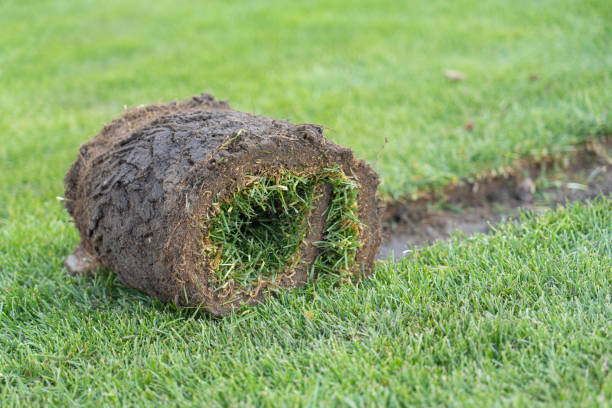
Fresh sod depends on immediate contact with loose, healthy soil so its roots can grow downward. Strong root establishment allows the lawn to absorb water and nutrients efficiently.
When old grass remains underneath, root development slows significantly, reducing the health and durability of the new lawn.
What Happens When You Skip Lawn Preparation?
Proper site preparation is one of the most important parts of any sod installation project.
Poor Root Growth and Uneven Lawn Development
Without adequate preparation, sod often develops weak root systems. Sections of the lawn may establish at different rates, creating uneven growth patterns and inconsistent color.
Poor soil contact can also leave air pockets beneath the sod, making the surface unstable and reducing moisture absorption.
Increased Risk of Weeds, Pests, and Lawn Disease
Old grass frequently contains weeds, insects, fungal diseases, or decaying organic matter. Covering these issues with new sod does not eliminate them.
Instead, they may continue affecting the new lawn, increasing maintenance requirements and reducing overall lawn quality.
Why Removing Existing Grass Is the Best Approach
Removing the old lawn provides the strongest possible foundation for successful sod installation.
Creating the Ideal Foundation for New Sod
Clearing away old grass allows the soil to be inspected, improved, and properly prepared before installation begins. Loose, nutrient rich soil encourages healthy root development and promotes even lawn growth.
A clean surface also allows installers to level the ground more accurately.
Improving Drainage, Soil Health, and Root Establishment
Proper soil preparation improves drainage while reducing the likelihood of standing water. Healthy soil supports stronger root systems, better nutrient absorption, and improved drought resistance.
Many homeowners rely on Lumen Landscaping for professional site preparation because proper groundwork is essential for long term lawn performance.
Step by Step Process for Successful Sod Installation
Installing sod correctly requires more than simply placing rolls of grass across the yard.
Removing Old Turf and Preparing the Soil
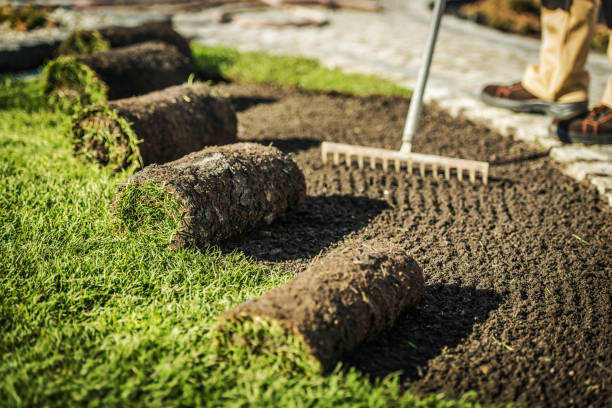
The first step involves removing existing grass, weeds, roots, and debris. Once cleared, the soil is loosened and amended if necessary to improve growing conditions.
Adding quality topsoil or organic matter may improve nutrient levels and create a healthier environment for root development.
Grading, Leveling, and Installing Fresh Sod Correctly
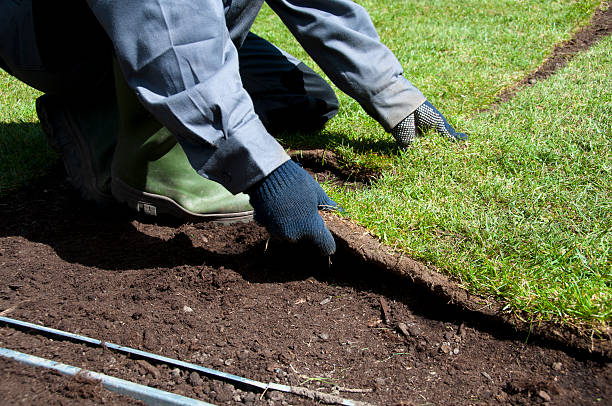
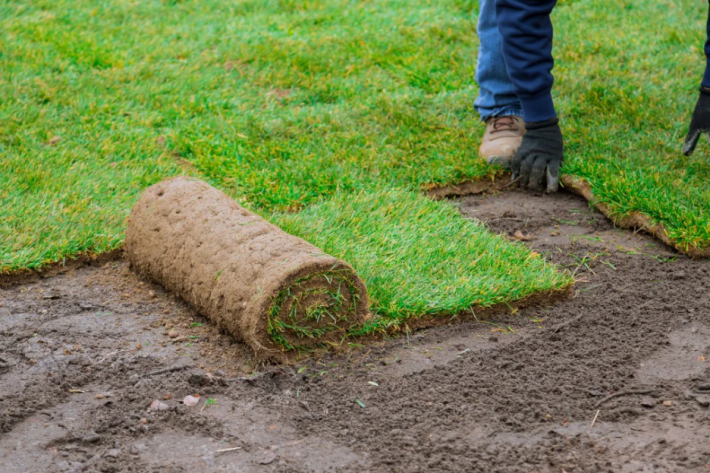
After soil preparation, the surface is graded and leveled to encourage proper drainage. Fresh sod is then installed tightly with staggered joints to eliminate gaps.
The lawn is rolled gently to improve soil contact before watering begins immediately after installation.
Common Mistakes Homeowners Make During Lawn Replacement
Avoiding common installation mistakes greatly improves the chances of long term success.
Laying Sod on Compacted or Unprepared Ground
Compacted soil limits root penetration and reduces water absorption. Skipping proper preparation often leads to slow establishment and poor lawn health.
Taking time to prepare the soil correctly produces stronger, healthier turf.
Ignoring Watering and Post Installation Care
New sod requires consistent watering during its early establishment period. Insufficient moisture prevents roots from developing properly and may cause sections of sod to dry out.
Following recommended watering guidelines is essential during the first several weeks.
How to Care for New Sod After Installation
Proper maintenance during the establishment period determines how well the new lawn performs over time.
Proper Watering Schedule During the First Few Weeks
New sod should remain consistently moist until roots begin attaching to the soil. Watering frequency depends on weather conditions, soil type, and seasonal temperatures.
As root systems strengthen, watering can gradually become less frequent while encouraging deeper root growth.
When to Mow, Fertilize, and Use the Lawn
Mowing should begin only after the sod has firmly rooted into the soil. Fertilizer should be applied according to professional recommendations to encourage healthy development.
Homeowners considering professional sod hamilton services often receive detailed aftercare guidance that supports successful lawn establishment and long term health.
Foot traffic should remain limited until the lawn has established a strong root system.
Signs It’s Time to Replace Your Lawn Instead of Repairing It
Some lawns respond well to repair, while others require complete replacement.
Extensive Weed Growth, Bare Spots, and Damaged Turf
Large areas of weeds, thinning grass, bare patches, or widespread damage often indicate that replacing the lawn is more practical than repeated repairs.
A complete replacement creates a uniform, healthy lawn with improved long term performance.
Soil Issues That Prevent Healthy Grass Growth
Poor drainage, compacted soil, nutrient deficiencies, and improper grading may prevent grass from growing successfully.
Addressing these underlying problems before installing new sod improves overall lawn quality and longevity.
Why Professional Sod Installation in Hamilton Delivers Better Results
Professional installation provides expertise that supports healthier lawns from the beginning.
Expert Site Preparation and Precision Installation
Professional installers understand proper grading, soil preparation, sod placement, and watering techniques. These practices create ideal growing conditions for rapid root establishment.
Careful installation also improves the finished appearance of the lawn.
Long Term Lawn Health Through Proper Techniques
Correct preparation and installation reduce future maintenance requirements while supporting stronger root systems and healthier grass growth.
Professional guidance also helps homeowners maintain their lawn effectively after installation.
How Lumen Landscaping Helps Homeowners Build Healthy Lawns
Working with experienced professionals simplifies the entire lawn replacement process.
Complete Sod Installation Services From Start to Finish
Professional services include removing existing grass, preparing the soil, grading, installing fresh sod, and providing aftercare recommendations.
Managing every stage of the project ensures consistent quality throughout the installation.
Customized Lawn Solutions for Hamilton Properties
Every property has unique soil conditions, drainage patterns, and landscaping requirements. Customized installation plans help create healthy lawns that perform well throughout Hamilton’s changing seasons.
Conclusion
Although laying sod over existing grass may appear to save time, it usually prevents proper root establishment and reduces the long term health of the lawn. Removing old grass, preparing the soil, and following correct installation practices provide the strongest foundation for lasting results. Professional installation ensures every stage of the process is completed correctly, helping homeowners enjoy a healthy, attractive lawn for years to come. If you are ready to replace your lawn, contact the team at Lumen Landscaping to discuss a customized sod installation solution for your property.
FAQs
1. Can I install new sod directly over existing grass?
No. New sod requires direct contact with healthy soil to develop strong roots. Installing it over existing grass usually leads to poor establishment.
2. Why should old grass be removed before laying sod?
Removing old grass eliminates competition for nutrients and moisture while creating the proper soil conditions needed for healthy root growth.
3. How long does new sod take to establish?
Most sod begins rooting within a few weeks when properly watered and maintained, although complete establishment may take longer depending on growing conditions.
4. When can I mow newly installed sod?
You should wait until the sod has firmly rooted into the soil before mowing. This helps prevent shifting and damage to the new lawn.
5. Is professional sod installation better than doing it myself?
Yes. Professional installation includes proper soil preparation, grading, precise sod placement, and aftercare guidance that improves long term lawn health and appearance.