Lawn Care & Gardening Services
Sod vs Seed in Hamilton (2026): Which Lawn Is Right for You?
Lumen Landscaping
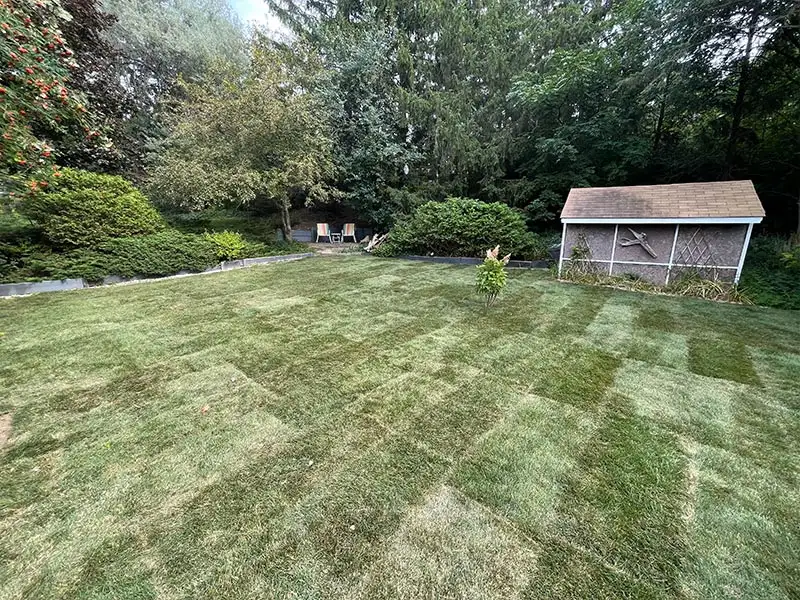
Sod gives you a finished lawn the day it goes down; seed gives you a lawn in a few months if the weather and the watering cooperate. In Hamilton, sod is the better choice for most homes because it roots in weeks, shades out weeds from day one, and survives a dry spell or a heavy rain that would wash seed away.
That said, seed has a place, and this guide is honest about it. Below you will find how each one performs in a Hamilton yard, what both of them need underneath to succeed, when to do the work, and how to look after the result. Lumen Landscaping installs sod as part of landscaping projects; you can read what a sod installation in Hamilton includes on our sod page.
What sod and seed actually are
Sod is mature grass grown on a farm, cut in rolls with its roots and a thin layer of soil, and laid like a carpet over prepared ground. The grass is already a year or more old when it arrives. Its only job in your yard is to push roots down into your soil, which takes two to three weeks with proper watering.
Seed is grass seed spread over prepared soil and kept moist until it germinates. Germination takes one to three weeks depending on the variety and the weather, and full coverage takes a season. In between, the soil is bare, and bare soil in Hamilton grows weeds faster than it grows grass.
The real differences
Speed
Sod looks finished immediately and can take light foot traffic once it has rooted. Seed is a bare, brown yard for weeks and a thin green one for months. If you are selling the house, finishing a new build, or want the kids and the dog back on the grass this summer, sod wins on speed and it is not close.
Risk
Seed depends on the weather. A hard rain washes it into low spots, a hot week dries it out, and birds eat their share. Sod arrives as a mature plant and shrugs most of that off. Sod’s risks are different: it dries out if it sits on a pallet too long before laying, and it fails if the first two weeks of watering are missed. Both of those are in your control.
Weeds
Dense sod shades the soil, so weed seeds in it struggle to get started. Seeded ground is open for weeks, and every weed seed that lands has the same chance as the grass. The first season of a seeded lawn is usually a fight.
Cost
Seed is cheaper to buy. Sod costs more up front because you are buying a year of someone else’s growing plus the labour to lay it. The gap narrows when you count the water, the patching and the extra season a seeded lawn takes to look like a lawn. We do not publish prices, because every yard is different; we quote your yard, in writing, and the material is billed at what it costs us.
Choice of grass
Seed offers more blends, including shade mixes. Sod in our area is almost always premium Kentucky bluegrass, which suits most sunny and part-sun Hamilton yards. In deep shade, neither does well, and a shade garden or a mulched bed is often the better answer. Our garden installation page covers that option.
What both of them need: the ground
A new lawn is a soil project first. Sod laid over compacted clay, old grass or a lumpy grade will look great for a month and thin out by August, because the roots have nowhere to go. Seed on the same ground mostly will not germinate. For either one, the yard should be prepared the same way:
- Strip the old grass and weeds and haul them away, rather than laying new over old.
- Regrade so water runs away from the house and does not pool in the middle of the lawn.
- Rake out stones and debris and loosen the surface.
- Add new topsoil where the grade is low or the soil is poor, which is common on builder lots in Mount Hope and Binbrook.
- Apply a starter fertilizer.
- Lay the sod tight with staggered joints, or spread the seed evenly, then roll for soil contact.
Those are the steps in our own sod installation, and the rolling and the regrading are the two that most often get skipped by a rushed crew. If the yard also has a drainage problem, that gets fixed first; see yard grading in Hamilton.

New sod along a commercial building
When to do it in Hamilton
Sod can be laid any time the ground is not frozen, from early spring to late fall. Fall is often the easiest season for it: the soil is still warm, the air is cooler, and the rain does most of the watering. Mid summer sod works too, but it needs daily attention in a heat wave. Seed does best in late summer and early fall, when the weeds have slowed down and the ground is warm; spring seeding fights the weeds all summer.
Aftercare, whichever you choose
New sod needs water every day for the first week or two, enough to keep the soil under it moist, then less often and deeper as the roots take hold. Keep traffic off it until a tug on a corner meets resistance. Mow for the first time when the grass is tall enough that cutting takes only the top third, and keep the mower sharp. We leave every customer with a written twelve month lawn care plan so none of this is guesswork; the full routine is in our guide to new sod watering and aftercare.
Seed needs light watering several times a day until it germinates, then the same gradual change to deeper, less frequent watering. It cannot take any traffic for the first month, and the first mow waits until the grass is well established.
Our recommendation
Choose sod when you want a usable lawn this season, when the front yard matters for curb appeal, when seed has failed before, or when the yard has slopes or strips that seed washes off. Choose seed when the area is large, the timeline is flexible, you can keep it watered and off limits for a month, and you want a particular blend. If you are not sure, email us a photo at info@lumenlandscaping.ca and we will tell you straight which one suits your yard.
Frequently asked questions
Which is faster, sod or seed?
Sod, by months. It is green the day it is laid and rooted in two to three weeks. Seed germinates in one to three weeks and fills in over a season.
Can you lay sod over the existing grass?
No. The old grass should be stripped so the new roots reach real soil. Laying over old turf is the most common reason new sod thins out in its first summer.
Is fall a good time for sod in Hamilton?
Yes, often the best. Warm soil, cool air and regular rain help it root with less watering from you. We lay sod until the end of November as long as the ground is open.
Does Lumen seed or overseed lawns?
We install sod as part of landscaping projects, usually with grading and topsoil. We do not offer seeding, and we do not do weekly mowing. If seed is the right answer for your yard, we will say so.
How soon can we use the new lawn?
Light use once the sod has rooted, usually two to three weeks. Normal use after the first couple of mows.
Why did our last sod die?
Nearly always one of four things: it was laid over old grass or hard clay, it was not watered enough in the first two weeks, it sat on the pallet too long before laying, or the yard drains toward a low spot that stayed wet. All four are avoidable with proper preparation.