
Why Concrete Is The Most Durable Choice For Hamilton Driveways?
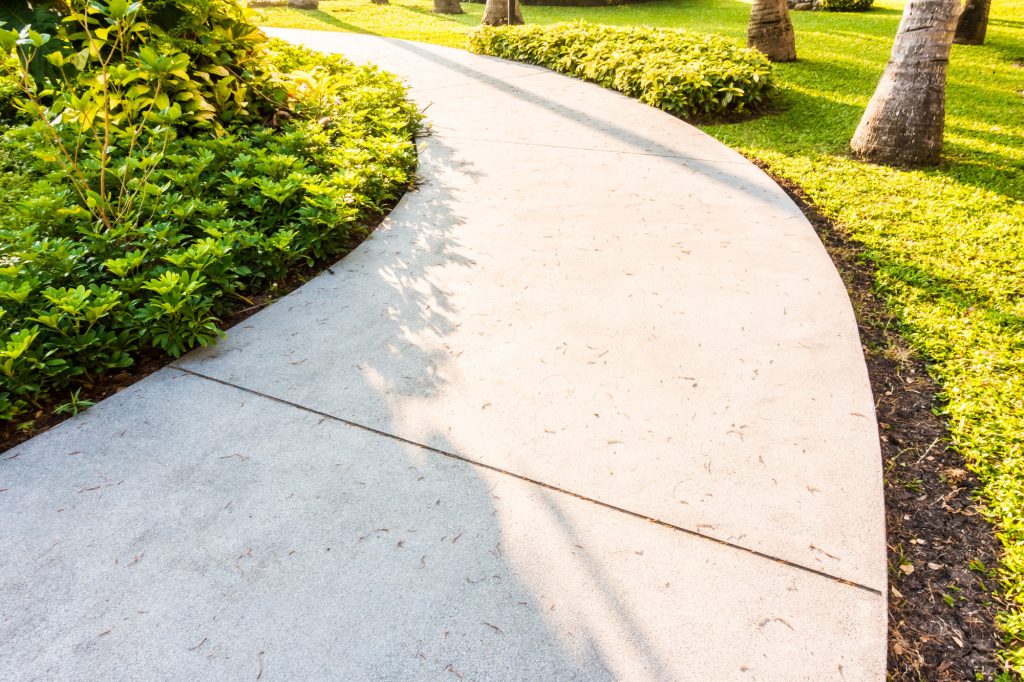
Choosing a driveway is not only about looks. It is about safety, maintenance, and how well the surface handles years of weather and weight. In a city like Hamilton, driveways face freeze-thaw cycles, road salt, spring saturation, summer heat, and constant vehicle loads. That is why many homeowners lean toward concrete, especially when they want a surface that feels solid, stays stable, and holds its curb appeal for the long haul. When installed correctly, Hamilton concrete driveways can offer a rare combination of strength, clean appearance, and predictable performance.
This guide is written on behalf of Lumen Landscaping to explain what makes concrete so durable, what details matter most during installation, and how to maintain concrete so it continues to look great year after year. You will learn how base preparation affects longevity, why drainage and joints matter, how finishing choices impact slip resistance, and how to avoid the mistakes that cause early cracking and scaling. If you want a driveway that performs through every season, the right plan makes all the difference for Hamilton concrete driveways.
Why Hamilton Driveways Need Extra Durability
Hamilton weather can swing quickly. One week brings mild temperatures, the next brings a deep freeze, then thaw, then freeze again. This cycle pushes moisture in and out of materials, stressing surfaces and bases. Driveways also deal with de-icing products, snow storage, and saturated soil during spring melt. Any driveway material must resist movement and surface breakdown to hold up long term. That is why Hamilton concrete driveways are often chosen as a dependable option when durability is the priority.
Beyond weather, Hamilton driveways see constant mechanical stress. Vehicles turn wheels while stationary, snowblowers scrape edges, and delivery trucks add heavier loads than many homeowners expect. A durable driveway must handle both surface abrasion and structural forces without shifting or rutting. When installed with proper base, reinforcement, and curing, Hamilton concrete driveways are designed for that kind of daily wear.
Durability Is A System, Not A Single Material
Concrete itself is strong, but true durability comes from base preparation, drainage, thickness, reinforcement, joint design, and curing. When these pieces are done correctly, Hamilton concrete driveways last longer and require less repair compared to surfaces that depend on repeated patching.
The Strength Advantage of Concrete
Concrete is engineered to carry load. That load capacity is one of the main reasons Hamilton concrete driveways perform so well over time. When a driveway is built with the right thickness and support, weight spreads across the slab rather than creating ruts or depressions. This makes concrete particularly effective for driveways that see frequent use, multiple vehicles, or occasional heavier loads like moving trucks.
Concrete also provides a stable surface that stays consistent through temperature changes. While no material is completely immune to cracking, concrete allows controlled cracking through planned joints. That control is a durability advantage. When joints are laid out well, Hamilton concrete driveways crack where you expect, not randomly across the surface.
Load Distribution and Resistance to Rutting
Asphalt can rut under heat and heavy turning, and pavers can settle if base prep is inconsistent. Concrete resists rutting because it behaves like a slab, spreading forces across a broader area. This is a key performance reason homeowners choose Hamilton concrete driveways for long-term stability.
What Thickness Means in Real Life
Thickness matters because it affects load capacity and crack resistance. A properly specified slab with strong edges supports everyday vehicles more confidently than a thin surface. The right thickness for Hamilton concrete driveways is chosen based on expected use and soil conditions.
Freeze-Thaw Performance: Why Concrete Can Win in Hamilton
Freeze-thaw damage is one of the biggest threats to any driveway. Water enters small pores, freezes, expands, and creates internal pressure. The reason Hamilton concrete driveways can handle this better is that quality concrete mixes often include air entrainment, which creates tiny voids that give freezing water space to expand. Combined with proper curing, this improves resistance to scaling and surface spalling.
Freeze-thaw resistance also depends on water management. A driveway that drains quickly stays drier, reducing the amount of moisture available to freeze inside the surface. Concrete can be finished and graded with precision, which helps water leave the slab instead of collecting in low areas. This is another durability advantage for Hamilton concrete driveways.
Air Entrained Concrete and Proper Curing
Air entrainment and curing are two of the most important factors for freeze-thaw durability. When both are handled correctly, Hamilton concrete driveways are less likely to suffer surface breakdown, especially in high-traffic areas near the street and garage apron.
Salt and De-Icer Reality
De-icers increase freeze-thaw stress by drawing moisture and creating harsher conditions at the surface. A durable plan for Hamilton concrete driveways includes the right mix design, good finishing, and smart winter maintenance choices.
Base Preparation: The Hidden Foundation of Durability
Many driveway failures start below the surface. If the base is uneven, under-compacted, or built with poor drainage, the slab will move. That movement can cause cracks, settling, and edge failure. For Hamilton concrete driveways, the base should be built to drain and support the slab evenly. This is where professional installation matters most.
A good base includes properly compacted granular material with consistent thickness across the driveway. It also includes a subgrade that is shaped to support drainage. If water sits under the slab, freeze-thaw will lift and drop areas of the driveway over time. When the base is right, Hamilton concrete driveways stay stable and predictable.
Compaction and Drainage Under the Slab
Proper compaction prevents later settling. Drainage prevents trapped moisture. These two fundamentals are a major reason Hamilton concrete driveways outperform surfaces installed on weak or inconsistent bases.
Edge Support and Thickened Perimeters
Edges take more stress from vehicle loads, snow shovels, and lateral movement. Reinforced or thickened edges can improve durability. Thoughtful edge detailing supports Hamilton concrete driveways where damage often starts.
Jointing and Reinforcement: Controlling Movement the Right Way
Concrete will move with temperature changes and shrink slightly as it cures. The durable approach is not to fight movement, but to control it. Proper joint layout guides cracking into clean lines. Reinforcement helps keep panels aligned and reduces the chance of large separations. Together, joints and reinforcement are essential for long-term performance of Hamilton concrete driveways.
A key detail is timing. Joints should be cut or formed at the right time and depth to be effective. If joints are too shallow, too far apart, or cut too late, random cracking becomes more likely. When done correctly, Hamilton concrete driveways develop neat joint lines instead of unpredictable fractures.
Joint Spacing and Crack Control
Well-planned joints reduce random cracking and make maintenance easier. Controlled cracking is one of the practical reasons homeowners prefer Hamilton concrete driveways for a clean long-term look.
Rebar, Wire, and Fiber Options
Different reinforcement approaches serve different needs. Some projects use rebar in key zones, some use welded wire, and some use fiber mixes. Choosing the right approach supports Hamilton concrete driveways based on expected stress and design.
Finishing Choices That Improve Safety and Longevity
Finishing is more than style. It affects traction, surface density, and how well the top layer resists scaling. Overworking the surface can bring excess paste to the top, creating a weak layer that breaks down faster. Professional finishing is a durability factor for Hamilton concrete driveways because it preserves surface strength while providing safe traction.
A light broom finish is popular because it provides grip without being harsh. Exposed aggregate and decorative finishes can also work when installed properly, but the surface must still shed water and resist salt exposure. The best finish for Hamilton concrete driveways balances safety, appearance, and maintenance.
Texture and Traction for Winter Use
Traction matters in icy conditions, especially near garage doors and entry paths. Finishes that improve grip help reduce slip risk, making Hamilton concrete driveways more practical in winter.
Decorative Options Without Sacrificing Durability
Stamped concrete and exposed aggregate can add style, but durability still depends on base prep, mix quality, curing, and drainage. A decorative surface can still be durable if the system is built correctly for Hamilton concrete driveways.
Maintenance and Long-Term Care
Concrete is durable, but it still benefits from simple care. Regular cleaning reduces staining and keeps joints visible. Smart winter habits reduce surface stress. Occasional sealing may help, depending on exposure and product choice, but it must be breathable and applied under the right conditions. A clear care plan supports Hamilton concrete driveways by preventing small issues from turning into costly repairs.
The most important maintenance rule is water control. Keep downspouts directed away from the driveway, prevent soil from building up along edges, and avoid letting puddles persist. These steps protect the slab and help Hamilton concrete driveways stay stable through seasonal cycles.
Winter Care and De-Icer Use
Use de-icers sparingly and focus on early snow removal, traction grit, and safe shoveling. This approach reduces surface stress and helps Hamilton concrete driveways keep a stronger finish for longer.
Spring Inspection Routine
Each spring, inspect joints, edges, and drainage patterns. Catching small chips early and correcting drainage issues helps Hamilton concrete driveways avoid bigger repairs later.
12 Simple Ways to Extend Driveway Life
- Redirect downspouts so water does not flow across the slab
- Keep soil and mulch lower than driveway edges to prevent backflow
- Remove snow early to reduce the need for chemical de-icers
- Use traction grit in icy conditions instead of heavy salt use
- Avoid metal shovels that can scrape and chip edges
- Wash off salt residue during warm spells when safe
- Keep heavy vehicles off weak edges during spring thaw
- Repair small chips early before they spread
- Avoid pressure washing that erodes the surface layer
- Maintain clean expansion joints near garage and walk interfaces
- Store snow away from driveway edges to reduce saturation
- Schedule periodic professional checkups to confirm drainage and slope
These habits protect Hamilton concrete driveways by keeping water and salt exposure under control.
Canadian Resources for Homeowner Education
If you want reliable information that supports durable home and site decisions, two Canadian resources can help guide planning and long-term performance thinking. Natural Resources Canada offers homeowner education on building durability, energy efficiency, and practical home improvement topics that connect to drainage and exterior performance planning.
Canada Mortgage and Housing Corporation provides helpful information on home maintenance and planning that complements exterior upgrades and long-term property care.
How Education Helps You Choose Better Specs
When you understand drainage, freeze-thaw risk, and maintenance habits, you can evaluate contractor recommendations more confidently. That knowledge helps Hamilton concrete driveways perform better because you invest in fundamentals that protect the slab.
Why Choose Lumen Landscaping
Lumen Landscaping builds Hamilton concrete driveways with a durability-first approach. We start by assessing grade, drainage, and soil behavior, then design a driveway system that supports long-term performance, not quick installation. Our team focuses on base preparation, correct compaction, well-planned joint layouts, and finishing that balances traction and surface strength.
We also guide you through aftercare so your driveway continues to look great through the seasons. From clean edges to proper water management, we help you protect your investment with simple habits that reduce long-term maintenance stress. If you want Hamilton concrete driveways that feel solid, look polished, and hold up over time, Lumen Landscaping is ready to help.
Concrete Wins When the System Is Built Correctly
Concrete is one of the most durable driveway choices for Hamilton because it spreads loads, resists rutting, and can be engineered for freeze-thaw performance. When you combine quality mix design, proper base preparation, smart drainage, controlled joints, and careful curing, Hamilton concrete driveways deliver stability and clean curb appeal that lasts.
If you are planning a new driveway or replacing a worn surface, talk to Lumen Landscaping. We will assess your property, recommend the best design and build approach, and deliver Hamilton concrete driveways that perform through every season with confidence.
Frequently Asked Questions
1) How long do Hamilton concrete driveways typically last?
With proper installation, drainage, and maintenance, Hamilton concrete driveways can last many years while maintaining strong structure and curb appeal.
2) Do Hamilton concrete driveways crack no matter what?
Concrete can crack, but proper joint layout and reinforcement help control where cracks occur. The goal for Hamilton concrete driveways is controlled cracking instead of random fractures.
3) Is sealing necessary for Hamilton concrete driveways?
Sealing can help in some cases, but it depends on exposure and product choice. Breathable sealers may support Hamilton concrete driveways if applied under correct conditions.
4) What is the biggest cause of failure in Hamilton concrete driveways?
Poor base preparation and bad drainage are common causes. When the base settles or water is trapped, Hamilton concrete driveways can crack or shift earlier than expected.
5) Are Hamilton concrete driveways better than asphalt in winter?
Both can work, but concrete resists rutting and can stay stable when built correctly. Winter performance depends heavily on drainage and maintenance for Hamilton concrete driveways.
6) What finish is best for Hamilton concrete driveways?
A light broom finish is popular for traction. Other finishes can work too, as long as the surface is not overworked and drainage is correct for Hamilton concrete driveways.
7) How do I maintain Hamilton concrete driveways during winter?
Remove snow early, use de-icers sparingly, and use traction grit when needed. These habits protect Hamilton concrete driveways from salt stress and surface wear.

