
How to Design a Low-Maintenance Backyard Landscape?
A backyard should feel like a place to relax, not another weekly chore list. If you are trying to plan low-maintenance landscape design Canada homeowners can realistically keep up with, the best approach is to reduce the areas that demand constant attention, build cleaner outdoor zones, and choose materials and plants that stay attractive without heavy upkeep. The goal is not a backyard with zero care, it is a backyard that stays tidy and functional with simple seasonal routines instead of nonstop trimming, weeding, and patching.
At Lumen Landscaping, we design low-maintenance landscape design Canada projects for Hamilton and Burlington homeowners who want a backyard that looks finished, drains properly, and holds up through Southern Ontario seasons. In this guide, you will learn how to plan the layout, choose the right surfaces and plants, reduce water use, and avoid the common mistakes that create extra work later. You will also see how services like Hardscaping, Gardening, Grading, Concrete, and Patio Restoration can support a more durable, easier-to-care-for yard.
Start With A Backyard Plan That Matches How You Live
Low-maintenance landscape design Canada starts with clarity. What do you actually do in your backyard? Do you host friends, need a space for kids, want a quiet garden, or prefer a clean open patio with minimal planting? The easiest yards to maintain are the ones designed around real use. When the layout matches your habits, the space stays organized, traffic routes are protected, and your “problem areas” shrink because you stop forcing grass or plants to perform where they always struggle.
The next step in low-maintenance landscape design Canada is zoning. Instead of one large mixed-use yard, create simple zones such as a seating zone, a pathway zone, a small planting zone, and an optional lawn zone. Zoning reduces clutter, simplifies maintenance tasks, and makes the yard look more premium. A clear plan also helps you decide where to invest, such as building out Hardscaping first, then finishing with planting that softens edges without creating constant upkeep.
Choose Two Or Three Main Zones Only
A backyard becomes hard to maintain when it has too many small areas, too many plant types, and no clear edges. For low-maintenance landscape design Canada, pick two or three main zones and keep them simple. Common choices are a patio zone for seating, a path to the side gate or shed, and a focused planting area along a fence for privacy and colour.
A simple zone plan also makes upgrades easier over time. If you add a pergola or privacy screen later, it fits into an existing zone instead of becoming an awkward add-on that creates more trimming and cleaning work.
Measure Traffic Flow Before You Build Anything
Low-maintenance landscape design Canada should protect the “desire paths” in your yard, which are the routes people naturally walk. When a yard does not have a clear walkway, foot traffic compacts soil, kills grass, and creates muddy lanes that need constant repair. A defined Hardscaping path or stepping stone route is one of the best ways to reduce repeated damage and keep the backyard looking clean.
Traffic planning also helps with safety. A clean path reduces slipping in wet weather and prevents tripping on uneven lawn edges. This is where small layout decisions produce big maintenance savings.
Fix Grading And Drainage First So The Yard Stops Fighting You
A backyard can look beautiful and still be a headache if water movement is wrong. Poor drainage causes soggy patches, algae buildup on patios, weeds along edges, and settling pavers. In low-maintenance landscape design Canada, drainage is a priority because it affects every other choice you make, from plant selection to surface durability. If water pools after rain, even the best materials will wear faster and your plants will struggle.
Ontario and municipalities provide guidance related to drought and water conditions, and managing water wisely is part of building a yard that performs through changing seasons. Planning for water movement now reduces future repairs and helps your landscape stay stable and cleaner.
Know The Signs Your Yard Needs Grading Work
If your lawn stays wet for more than a day after rain, if water flows toward the house, or if certain corners always stay muddy, Grading is likely part of the solution. Low-maintenance landscape design Canada becomes much easier when those problem zones are corrected early, because you stop chasing issues with extra seed, extra mulch, and endless patching.
Another sign is surface shifting. If your patio stones settle or your walkway develops uneven areas, water may be moving under the base. In many cases, correcting slope and drainage reduces movement and extends the life of your Hardscaping.
Use Drainage Fixes To Protect Patios And Planting Beds
Drainage is not only about the lawn. It also protects beds from washout and prevents mulch from migrating onto patios. In low-maintenance landscape design Canada, a small Grading adjustment can reduce how often you need to clean hard surfaces and re-edge beds.
If you already have uneven pavers or pooling on the patio, Patio Restoration can re-level affected sections and refresh jointing so water sheds properly. When you combine Patio Restoration with Grading corrections, you often solve the cause and the symptom at the same time, which reduces maintenance long term.
Build Hardscaping That Reduces Weekly Yard Work
Hard surfaces are a major reason low-maintenance landscape design Canada works so well. A clean patio, a defined walkway, and simple edges reduce mowing, reduce trimming, and keep the yard organized. The key is choosing materials and layouts that are durable and easy to keep clean, then installing them with a strong base and proper slope so you are not fighting weeds and settling a year later.
Hardscaping also creates a finished look that holds up in all seasons. Even in winter, clean lines and defined zones make the yard feel maintained. That is why many homeowners start their low-maintenance landscape design Canada plan by upgrading the patio and walkway first, then adding planting as a softer layer around those structures.
Choose Simple Patterns And Clean Edges
Intricate patterns can look great, but they can also increase joints, cuts, and edge complexity. For low-maintenance landscape design Canada, simpler patterns are often easier to keep tidy. A clean border detail, consistent jointing, and defined edges reduce weed pressure and make sweeping and washing easier.
Edges matter as much as the surface. A clear edge between patio and bed reduces soil spillover and makes the space look professional. This is where Concrete transitions or a simple stone border can reduce mess and reduce ongoing maintenance.
Plan Patio Size For Real Use
Too small and you constantly expand furniture onto grass. Too large and you increase surface cleaning without improving function. For low-maintenance landscape design Canada, build a patio that fits your actual lifestyle: a dining set, a grill zone, and comfortable circulation space.
A well-sized patio reduces lawn wear and keeps traffic in the right place. It also gives you a clear zone to clean quickly, instead of scattered chairs creating worn patches and muddy areas that need constant attention.
Choose Plants That Look Full With Less Pruning And Watering
Plant selection is where many homeowners unintentionally increase maintenance. If you choose fast-growing plants that outgrow the space or plants that need constant deadheading and watering, your yard becomes a weekly project. Low-maintenance landscape design Canada works best with plants that are hardy, predictable, and matched to your sun exposure and soil conditions. The goal is fewer plant types, repeated in groups, with enough structure to look good even when not in peak bloom.
Hardiness zone matters for long-term success. If you choose plants that are not suited to your region, they struggle, need extra protection, or fail and require replacement. A reliable tool for choosing the right plants by zone is the Government of Canada Plant Hardiness Zones.
Use Repetition Instead Of One Of Everything
A common mistake is buying one of many different plants. That creates inconsistent growth habits and inconsistent care needs. Low-maintenance landscape design Canada becomes easier when you pick a small palette of plants and repeat them in clusters. Repetition looks professional, reduces decision fatigue, and simplifies watering and trimming.
This approach also improves curb appeal. Even a simple backyard looks designed when plants are repeated in clean groupings instead of scattered randomly. Gardening becomes easier because you are caring for fewer types of plants with similar needs.
Favor Shrubs And Perennials Over High-Maintenance Annuals
Annuals can be beautiful, but they often require replanting and frequent attention. For low-maintenance landscape design Canada, use shrubs for structure and perennials for dependable seasonal colour. Shrubs also create privacy, reduce the need for constant fence-line cleanup, and give the yard year-round form.
Perennials that tolerate local conditions and do not demand heavy deadheading are usually better choices for low-maintenance gardens. Pair them with mulch and clean bed edges for fewer weeds and less watering stress.
Reduce Lawn Area For The Biggest Maintenance Cut
If you want a dramatic reduction in weekly work, reduce the amount of lawn. Mowing, edging, watering, and patching are some of the most time-consuming tasks in a typical yard. Low-maintenance landscape design Canada often includes keeping lawn only where it is used and removing it where it is constantly stressed, such as narrow side strips, shaded corners, and high-traffic routes.
This does not mean you need zero lawn. It means you choose lawn intentionally. A smaller, healthier lawn is easier to keep green and requires fewer repairs. The removed lawn area can become a mulched planting bed, a gravel path, or a Hardscaping feature that looks clean with minimal upkeep.
Replace Problem Strips With Beds Or Paths
If grass always struggles along fences, beside driveways, or under dense trees, stop fighting it. In low-maintenance landscape design Canada, those areas are often converted to beds with mulch and tough plants, or to stepping stone paths with a clean border.
This change reduces watering and reduces patchy lawn zones that look messy. It also makes the yard feel more finished because edges become defined and intentional.
Add Mulch For Cleaner, Easier Beds
Mulch reduces weeds, improves moisture retention, and gives beds a finished appearance. It is one of the simplest tools in low-maintenance landscape design Canada, especially when paired with a clean edging detail. Mulch also protects soil from heavy rain impact and reduces soil splash onto patios.
A good Gardening plan includes mulching as part of the seasonal routine, because a quick top-up each spring often saves hours of weeding and watering later.
Quick Low-Maintenance Backyard Upgrades
- Build a defined patio seating zone so furniture stays off the grass
- Add a clear Hardscaping path for traffic routes to prevent worn lanes
- Reduce lawn in problem strips and replace with mulched beds
- Use repeated plant clusters instead of many different plant types
- Choose hardy shrubs for structure and perennials for reliable colour
- Add edging to keep mulch contained and beds looking clean
- Correct pooling areas with Grading so the yard dries faster after rain
- Refresh uneven pavers with Patio Restoration to reduce tripping and weeds
- Use Concrete transitions where needed for clean, easy-to-sweep edges
These upgrades fit almost any low-maintenance landscape design Canada plan because they reduce ongoing work and make the yard look more organized.
Use Materials And Finishes That Stay Clean With Minimal Effort
A low-maintenance yard should not require specialty cleaning every weekend. Choose surfaces that hide minor dirt, resist staining, and can be cleaned with basic sweeping and occasional rinsing. Low-maintenance landscape design Canada often favors durable pavers, natural stone, or properly finished Concrete that sheds water and does not trap debris.
Finish details matter too. Poorly finished edges collect dirt and weeds. Overcomplicated layouts create more joints and corners to clean. A clean, simple build is often the most attractive and the easiest to maintain.
Think About Jointing And Weed Prevention
Weeds often show up in joints when organic debris accumulates and joint sand breaks down. For low-maintenance landscape design Canada, jointing choices and maintenance planning should be part of the build. Proper base prep, edge restraint, and quality jointing material reduce weeds over time.
If an existing patio is weedy or uneven, Patio Restoration can reset sections and refresh joints, which often makes the patio feel new without a full rebuild. This is one of the best maintenance-saving upgrades for older paver patios.
Add A Small Covered Element For Comfort And Longevity
A pergola or simple shade structure can extend how often you use the patio and reduce sun stress on certain plants. If you plan to add a covered element, integrating it into the layout early makes the yard feel cohesive. Carpentry features can also create privacy and a more finished outdoor room.
In low-maintenance landscape design Canada, small covered elements also reduce the need for constant rearranging of umbrellas and portable shade solutions, which keeps the backyard tidier.
Build A Seasonal Maintenance Routine That Is Realistic
The final step in low-maintenance landscape design Canada is accepting that “low maintenance” still means some maintenance, just not constant maintenance. The goal is a simple routine: a spring cleanup, a mid-season refresh, and a fall tidy. When the yard is designed correctly, these tasks are quick and predictable.
A realistic routine includes checking bed edges, topping up mulch, trimming shrubs lightly, sweeping hard surfaces, and watching drainage after heavy rain. When your layout, plants, and hard surfaces work together, your routine stays simple. When those elements fight each other, the routine turns into weekly stress.
Keep Maintenance Simple With Better Design
If you choose fewer plant types, reduce lawn, and create clean hardscape zones, you naturally reduce how many tasks you have to do. Low-maintenance landscape design Canada is less about shortcuts and more about removing the reasons you had too much work in the first place.
A well-designed yard also makes it easier to hire help if needed. Clear zones and simple plant palettes reduce time and labour costs because the work is straightforward.
Know When Professional Help Saves Time
Some issues are hard to solve with DIY fixes, especially drainage and base problems. If you have repeated pooling, constant paver shifting, or beds that wash out, professional Grading and Hardscaping work often saves money and time long term.
This is where a full plan helps. Lumen Landscaping can assess the yard and recommend the upgrades that produce the biggest maintenance reduction, instead of guessing and redoing work later.
Why Choose Lumen Landscaping
Low-maintenance landscape design Canada works best when it is planned as a complete system: layout, drainage, surfaces, and plants that match your property and lifestyle. Lumen Landscaping helps homeowners in Hamilton and nearby areas build backyards that look finished, stay stable through the seasons, and require less weekly effort.
We can support your project with Hardscaping for patios and paths, Gardening for clean planting plans and bed refreshes, Grading to correct pooling and runoff, Concrete transitions for cleaner edges, and Patio Restoration when existing pavers need leveling and joint renewal. The result is a backyard that feels easier to maintain and more enjoyable to use.
Ready To Enjoy A Low-Maintenance Backyard In Hamilton?
A backyard can be beautiful without becoming a full-time project. The best low-maintenance landscape design Canada plans start with a simple zone layout, fix drainage first, rely on durable Hardscaping, reduce lawn where it struggles, and use a repeated plant palette that matches your hardiness zone and light conditions. When you build the yard around real use and strong foundations, maintenance becomes seasonal, not constant.
If you want help planning low-maintenance landscape design Canada for your Hamilton or Burlington backyard, Lumen Landscaping is ready to help. Reach out to discuss your goals, and we will recommend a clear plan that blends Gardening, Hardscaping, Grading, Concrete, and Patio Restoration services to create a clean, long-lasting backyard you can actually relax in.
Frequently Asked Questions
- What is the first step in low-maintenance landscape design Canada planning?
Start with a simple zone layout based on how you use the backyard, then fix drainage issues first. - How does low-maintenance landscape design Canada reduce weekly work the most?
By reducing lawn area, adding defined Hardscaping zones, and choosing hardy plants that need less pruning. - Do I need Grading for low-maintenance landscape design Canada?
If your yard pools water, stays muddy, or causes paver shifting, Grading is often one of the most important upgrades. - What plants work best for low-maintenance landscape design Canada?
Hardy shrubs for structure and dependable perennials, chosen based on your plant hardiness zone. - Is a paver patio better than poured Concrete for low-maintenance landscape design Canada?
Both can be low maintenance if installed well, but pavers can be easier to repair in sections, especially with Patio Restoration. - How can I make low-maintenance landscape design Canada look full without lots of plant care?
Use repetition, layered planting, mulch, and fewer plant types grouped in clusters. - What services help most with low-maintenance landscape design Canada projects?
Hardscaping, Gardening, Grading, Concrete transitions, and Patio Restoration usually deliver the biggest maintenance reductions.

One comment
Comments are closed.

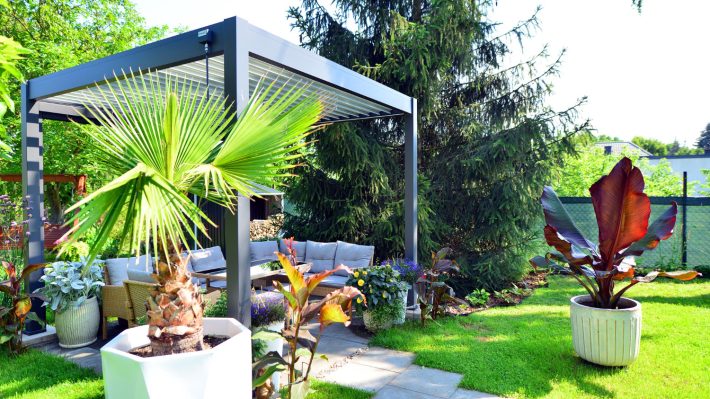
[…] interested in low-maintenance landscaping can choose drought-tolerant plants, decorative stone, and mulch to minimize watering and […]