Sod vs Seed: Choosing the Right Lawn Service for Your Yard
A healthy green lawn can change the whole look of your property, but getting there starts with one important choice: should you install sod or grow your lawn from seed? Many homeowners compare sod vs seed lawn service because both options can create a beautiful yard, but they work differently, cost differently, and require different levels of patience and aftercare. The right choice depends on your timeline, budget, soil condition, sun exposure, drainage, and how quickly you need the lawn to look finished.
At Lumen Landscaping, we help homeowners in Hamilton, Burlington, and nearby areas choose the right sod vs seed lawn service based on the real condition of the yard. A lawn is not only about grass on top. It also depends on soil preparation, Grading, drainage, watering habits, and how the lawn connects with Gardening beds, Hardscaping areas, and outdoor living spaces. This guide explains the differences between sod and seed, when each option makes sense, and how to choose the best lawn service for your property.
What Is The Difference Between Sod And Seed?
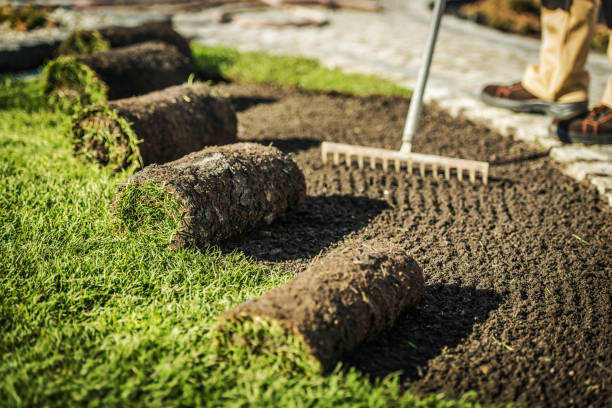
Sod is mature grass that is grown on a farm, cut into rolls, and installed over prepared soil. It gives you an instant green surface and can make a yard look finished very quickly. Seed, on the other hand, is planted directly into prepared soil and grows gradually. When comparing sod vs seed lawn service, the biggest difference is time. Sod offers fast visual results, while seed takes longer but gives you more flexibility in grass variety and budget.
Both options still need proper preparation. Sod will not perform well if it is placed over compacted soil, poor drainage, or uneven grading. Seed will not establish well if the soil is too hard, too dry, or not protected during germination. That is why a professional sod vs seed lawn service should include a close look at soil, slope, water movement, and the long-term use of the yard before making a recommendation.
Why Preparation Matters More Than The Grass Type
The most common mistake homeowners make is assuming sod automatically fixes a bad lawn. Sod can cover the problem quickly, but it cannot solve poor soil, standing water, or heavy compaction by itself. A good sod vs seed lawn service starts with soil preparation, removal of debris, surface leveling, and a plan for watering.
Seed also needs strong preparation. If seed is spread over hard soil, much of it may fail to germinate. Loosening the topsoil, adding quality soil where needed, and keeping the area consistently moist are critical steps for success.
When Sod Is The Better Lawn Service Choice
Sod is often the best option when you need fast results. If you are preparing for a home sale, repairing a highly visible front yard, finishing a new build, or replacing a lawn that looks completely worn out, sod can create an immediate transformation. Many homeowners choose sod vs seed lawn service in favour of sod because it reduces the waiting period and gives the property a clean green look right away.
Sod is also useful for erosion control. On slopes or areas where soil might wash away during rain, seed can be harder to establish because it may move before roots develop. Sod provides instant coverage, which helps hold soil in place more quickly. However, sod still needs proper watering and careful early maintenance so the roots connect with the soil below.
Best Situations For Sod Installation
Sod works well for front lawns where curb appeal matters, backyards that need to be usable sooner, and properties with bare soil after construction or landscape renovation. In a sod vs seed lawn service comparison, sod is usually better when you want the lawn to look finished immediately and you are prepared to invest more upfront.
Sod can also pair well with Hardscaping projects. After a new patio, walkway, or Concrete transition is installed, sod can restore surrounding lawn areas quickly and make the whole property look complete.
When Seeding Is The Better Lawn Service Choice
Seeding is a strong choice when your budget is tighter, when you want more control over grass type, or when the existing lawn only needs thickening rather than full replacement. If your lawn has thin areas but still has a healthy base, overseeding can improve density without removing everything. In a sod vs seed lawn service decision, seed is often the practical option for gradual improvement.
Seed can also be customized for sun, shade, and traffic conditions. A yard with mixed light may need different seed blends in different areas. This makes seeding useful for properties with shade from trees, open sunny spaces, or areas that experience wear from pets or children. The tradeoff is that seed needs patience, consistent watering, and protection from foot traffic while it establishes.
Best Situations For Lawn Seeding
Seeding is often best for patch repair, overseeding thin lawns, improving grass variety, and building a lawn over time. If you are not in a rush and can keep the area moist during germination, a seed-based sod vs seed lawn service plan can be cost-effective and flexible.
Seeding is also helpful when paired with soil improvement. Aeration, topdressing, and overseeding can improve the long-term health of an existing lawn without the cost of full sod installation.
Cost Differences Between Sod And Seed
Cost is one of the biggest reasons homeowners compare sod vs seed lawn service. Sod usually costs more because it includes mature grass, transportation, labour, installation, and careful handling. The surface looks finished immediately, but the upfront price is higher. Seed usually costs less in materials and can cover larger areas at a lower initial cost, but it requires more time and careful aftercare.
It is important to compare value, not only price. If you need instant curb appeal, sod may justify the higher cost. If you are improving a backyard gradually, seed may be the smarter investment. Lumen Landscaping helps homeowners weigh upfront cost against timeline, yard use, and long-term maintenance so the sod vs seed lawn service choice fits the property and the budget.
Hidden Costs Homeowners Forget
For both sod and seed, preparation can affect the final price. Soil removal, topsoil, Grading, debris cleanup, and drainage correction may be needed before installation. A low quote that skips preparation may lead to disappointing results. In a sod vs seed lawn service project, the visible grass is only one part of the cost.
Aftercare also matters. Sod needs consistent watering until rooted, while seed needs repeated light watering during germination. If irrigation or hose access is limited, that can affect the best option for your yard.
Timing: When To Install Sod Or Seed In Canada
Timing has a major impact on lawn success. In Southern Ontario, spring and early fall are often favourable times for lawn work because temperatures are moderate and moisture is easier to manage. Seed can struggle during peak summer heat because it dries quickly and can be damaged by drought stress. Sod can be installed through a broader window, but it still needs enough water and care to root properly.
A good sod vs seed lawn service plan considers weather, soil temperature, and your ability to water. Health Canada recommends healthy lawn practices such as aerating, mowing, topdressing, overseeding, and watering, which all support stronger turf over time. Whether you choose sod or seed, timing and maintenance habits can determine success.
Spring Vs Fall Lawn Projects
Spring gives homeowners a chance to repair winter damage and prepare the lawn for summer. Seeding in spring can work, but weeds may compete as temperatures rise. Fall is often excellent for seeding because cooler air and warm soil support germination, and weed pressure is usually lower. For sod vs seed lawn service decisions, fall seeding is often a strong choice when the goal is long-term turf improvement.
Sod can be useful in spring when you want fast visual improvement after winter. It can also be installed in fall if conditions are suitable. The key is avoiding extreme heat, frozen ground, or periods when watering is difficult.
Soil, Grading, And Drainage Decide Long-Term Lawn Success
A lawn will only perform as well as the soil below it. If the yard is compacted, uneven, or poorly drained, both sod and seed can struggle. In a sod vs seed lawn service project, soil preparation should include loosening compacted areas, adding quality soil where needed, leveling low spots, and removing stones or construction debris that can block root growth.
Grading is especially important because water movement affects turf health. Low spots can stay soggy, while sloped areas can dry too quickly or wash seed away. Lumen Landscaping often recommends Grading corrections before lawn installation when water is pooling, flowing toward the house, or causing repeated bare patches. Fixing water movement first makes both sod and seed perform better.
Signs Your Yard Needs Grading Before Lawn Work
If water pools after rain, soil washes away, the lawn stays thin in the same areas, or pavers and edges are settling, Grading may be needed. In a sod vs seed lawn service plan, ignoring grading can lead to wasted money because the new lawn may fail for the same reasons the old lawn struggled.
Grading also protects nearby Hardscaping and garden beds. When water moves properly, patios stay cleaner, mulch stays in place, and turf establishes more evenly.
Quick Sod Vs Seed Lawn Service Comparison
- Choose sod if you want instant green results
- Choose seed if you have more time and want lower upfront cost
- Choose sod for high-visibility areas before selling a home
- Choose seed for overseeding and thickening existing turf
- Choose sod where erosion control is needed quickly
- Choose seed when you need a custom blend for sun or shade
- Prepare soil properly for both options
- Fix Grading problems before installing sod or seed
- Protect new grass from heavy traffic until established
- Water consistently during the early establishment period
This quick sod vs seed lawn service checklist can help you narrow the decision, but the best choice still depends on your property conditions and goals.
Maintenance After Sod Installation
Sod looks finished right away, but it is not fully established on day one. The roots need time to grow into the soil below. During the first few weeks, watering is critical. The sod should stay moist enough for rooting, but not so soaked that it becomes soft and unstable. In a sod vs seed lawn service comparison, sod gives faster results but still requires disciplined aftercare.
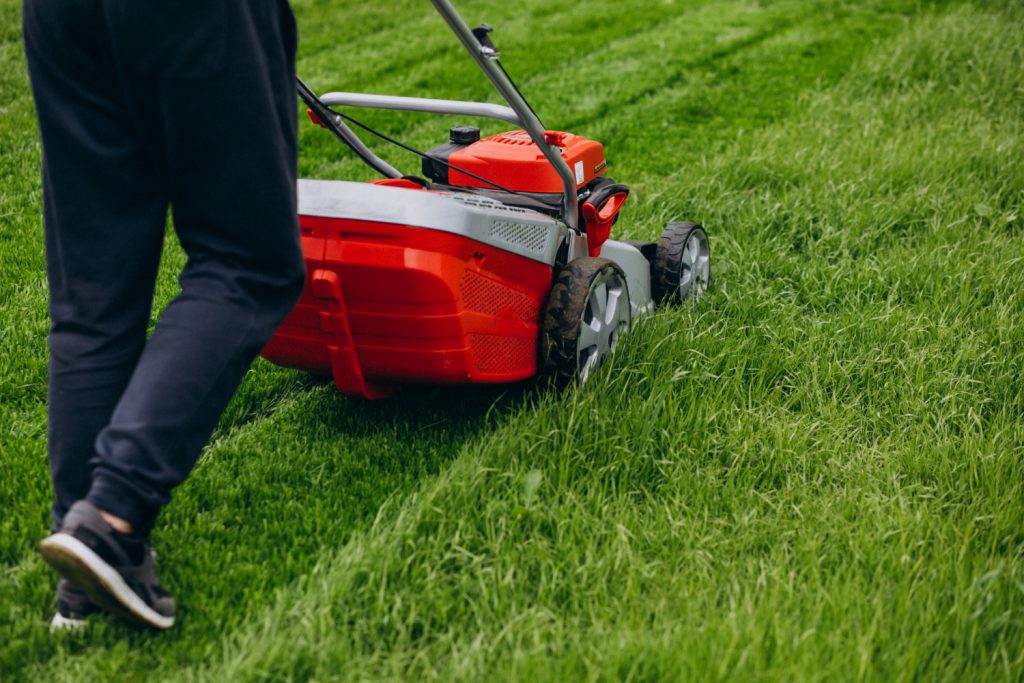
Avoid heavy foot traffic until the sod is rooted. Mow only when the grass is tall enough and the sod has started anchoring into the soil. Cutting too early or too short can stress the new lawn. Once established, sod should be maintained with proper mowing height, watering, and seasonal care.
How To Know Sod Is Rooting
A simple way to check rooting is to gently lift a corner after some time has passed. If it resists lifting, roots are connecting with the soil. This is a good sign that the sod is establishing. A professional sod vs seed lawn service should explain aftercare clearly so you know what to expect.
If sod stays loose or begins to brown, the issue may be watering, soil contact, or heat stress. Early correction can save the lawn before damage spreads.
Maintenance After Seeding Or Overseeding
Seed requires patience and consistency. The soil surface must stay moist during germination, which may require lighter, more frequent watering at first. Once seedlings grow, watering should gradually shift toward deeper, less frequent sessions to encourage stronger roots. In a sod vs seed lawn service decision, seed requires more early patience, but it can create excellent long-term results.
Foot traffic should be limited while seedlings establish. Mowing should wait until the new grass reaches an appropriate height. If you mow too early, seedlings may be pulled out or damaged. Proper timing helps the new lawn thicken and compete with weeds.
Why Overseeding Works Well For Thin Lawns
Overseeding adds new grass into an existing lawn, improving density and reducing bare soil where weeds can grow. It is one of the most useful seed-based services because it strengthens the lawn without full replacement. In a sod vs seed lawn service plan, overseeding is often recommended when the existing turf is still worth saving.
Aeration before overseeding can improve seed-to-soil contact and help roots grow deeper. This creates a healthier lawn with better long-term performance.
How Landscaping Design Affects Lawn Choices
Sometimes the best lawn service decision is not only sod vs seed. It may be deciding where lawn belongs at all. Some areas are too shaded, too narrow, too wet, or too heavily used to stay healthy as grass. In those spaces, Gardening beds, mulch, stepping stones, or Hardscaping paths may be better options.
A balanced yard uses lawn where it works and other landscape features where grass struggles. This reduces maintenance and improves the overall look. Lumen Landscaping helps homeowners decide whether to install sod, seed, or redesign certain areas to create a more practical outdoor space.
Use Planting Beds To Reduce Lawn Stress
If a strip beside a fence or under trees always looks thin, converting it to a mulched Gardening bed may be smarter than reseeding it every year. Canada’s Plant Hardiness Zone Map can help guide plant choices suited to your regio. Climate-suitable plants reduce maintenance and help the landscape perform better over time.
This approach can improve curb appeal while reducing watering, mowing, and patch repair. It also makes the remaining lawn easier to maintain.
Why Choose Lumen Landscaping
Choosing the right sod vs seed lawn service is easier with a team that understands soil, drainage, timing, and long-term lawn performance. Lumen Landscaping helps homeowners in Hamilton, Burlington, and nearby areas decide whether sod, seed, overseeding, or a mixed approach is best for their yard. We focus on preparation first so your new lawn has the best chance to root, thicken, and stay healthy.
Our services include Lawn improvements, Gardening bed design, Grading to correct water movement, Hardscaping for paths and outdoor zones, and Patio Restoration when nearby pavers or edges need attention. When these services work together, your lawn project becomes part of a stronger landscape rather than a temporary surface fix.
Ready To Choose The Right Lawn Service For Your Yard?
The best sod vs seed lawn service choice depends on your goals. Sod is ideal when you want instant green results, faster erosion control, and a finished look quickly. Seed is ideal when you want a lower upfront cost, more grass variety options, and gradual improvement for thin or patchy areas. Both options need proper soil preparation, watering, Grading, and early care to succeed.
If you are unsure which sod vs seed lawn service fits your Hamilton or Burlington yard, Lumen Landscaping can help. Reach out to discuss your lawn, and we will recommend the right mix of Lawn care, Grading, Gardening, Hardscaping, and Patio Restoration support to create a healthier, cleaner, and more attractive outdoor space.
Frequently Asked Questions
- What is the main difference in sod vs seed lawn service?
The main difference in sod vs seed lawn service is speed. Sod gives instant green coverage, while seed grows gradually and takes more time to establish. - Which sod vs seed lawn service is cheaper?
Seed is usually cheaper upfront, but sod may offer faster value if you need an immediate finished look. - Which sod vs seed lawn service is better for a front yard?
Sod is often better for front yards when curb appeal is urgent, while seed works well when you have time for gradual improvement. - Does sod vs seed lawn service require soil preparation?
Yes, both sod and seed need proper soil preparation, leveling, and watering for strong results. - Can Grading affect sod vs seed lawn service results?
Yes, poor Grading can cause pooling, runoff, and thin patches, so drainage should be corrected before installing sod or seed. - Is overseeding part of sod vs seed lawn service?
Yes, overseeding is a seed-based service that thickens an existing lawn without replacing the whole surface. - How do I choose the right sod vs seed lawn service for my yard?
Choose based on timeline, budget, sun exposure, soil condition, drainage, and whether your lawn needs full replacement or gradual thickening.