
Spring Landscaping Tips Every Canadian Homeowner Should Know
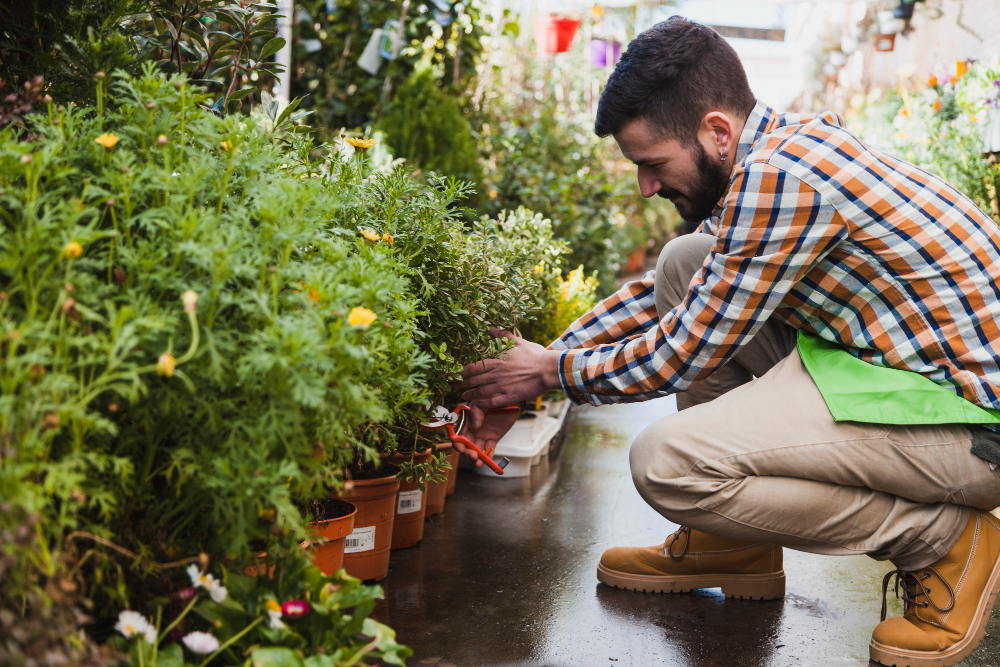
Spring is the season when your yard starts showing what winter left behind. Compacted soil, salt damage, broken branches, tired garden beds, uneven pavers, and drainage issues often become visible as the snow melts and temperatures rise. That is why the right spring landscaping tips can make such a big difference. When you take action early, you set up your lawn, gardens, walkways, and patios for a cleaner, healthier, and more attractive outdoor season.
At Lumen Landscaping, we help homeowners in Hamilton, Burlington, and nearby areas prepare their outdoor spaces for Canadian spring conditions. The best spring landscaping tips are not only about making the yard look good for a few weeks. They are about improving soil health, managing water properly, choosing plants that suit the climate, and fixing surfaces before small problems become expensive repairs. This guide will walk you through the most practical steps to refresh your property and build long-term curb appeal.
Start With A Full Spring Yard Inspection
Before you rake, plant, mulch, or repair anything, walk your property slowly and take notes. Look at the lawn, garden beds, patio, walkways, driveway edges, fences, downspouts, and low areas where water collects. Many spring landscaping tips start with observation because you need to understand what changed over winter. Frost, snow, salt, and drainage problems can shift pavers, damage plants, expose bare soil, and create soggy zones that will keep causing trouble if ignored.
A spring inspection also helps you prioritize. You may notice that your front beds only need a Gardening refresh, while the backyard needs Grading because water is pooling near the patio. You may also see that Hardscaping surfaces need cleaning or small repairs before summer use begins. Lumen Landscaping often starts spring projects by assessing the full property, because the best results come from treating the yard as one connected system, not separate pieces.
Check For Winter Damage First
Winter damage can show up as broken branches, dead plant material, salt-burned grass along sidewalks, lifted pavers, cracked Concrete, and compacted soil near driveways. One of the most useful spring landscaping tips is to remove what is clearly damaged, but avoid cutting back too aggressively before plants have had time to wake up. Some perennials look dead early in spring but push new growth once temperatures stabilize.
If you are unsure whether a shrub or perennial survived, give it a little time and check for flexible stems or new buds. Removing debris is helpful, but rushing heavy pruning can set plants back. A careful cleanup protects healthy growth while making the yard look cleaner right away.
Clean Up Garden Beds Without Disturbing New Growth
Garden beds need a spring reset, but the cleanup should be gentle. Remove leaves, broken stems, and winter debris, but avoid digging deeply around emerging perennials. Many plants are just beginning to push new shoots through the soil, and aggressive raking can damage them. Good spring landscaping tips focus on cleaning the surface, improving airflow, and preparing beds for fresh mulch and planting without harming early growth.
This is also the right time to define your bed edges. A crisp edge between Lawn and garden beds immediately makes the property look more maintained. Clean edges reduce grass creep, help mulch stay in place, and give the yard a professional finish. For homeowners who want a polished look, Lumen Landscaping often combines Gardening services with simple Hardscaping borders to make beds easier to maintain all season.
Refresh Mulch At The Right Time
Mulch helps hold moisture, reduce weeds, and protect soil temperature, but timing matters. Wait until the soil is workable and no longer overly wet before adding a fresh layer. Apply mulch evenly and keep it away from plant crowns, stems, and tree trunks. One of the most common spring landscaping tips is to aim for a balanced mulch depth, not a thick pile that can trap moisture and cause rot.
A proper mulch refresh makes beds look finished and supports healthier roots. It is especially helpful in sunny areas near patios, walkways, or Concrete surfaces where heat reflection can dry soil faster later in the season.
Improve Soil Health Before You Focus On Plants
Healthy soil is the foundation of a strong landscape. If your soil is compacted, low in organic matter, or draining poorly, plants will struggle no matter how attractive they look at the garden centre. The most valuable spring landscaping tips often involve improving soil before adding new plants. Compost, aeration, topdressing, and better drainage can all make your yard more resilient through summer heat.
Soil improvement also reduces watering stress. When soil holds moisture properly and still drains well, roots can grow deeper and plants handle dry periods better. This is important in Canadian yards where spring can be wet, but summer can quickly turn hot and dry. Lumen Landscaping uses soil improvement as part of many Gardening projects because it helps plants establish properly and reduces replacement costs later.
Add Compost Where Beds Need A Boost
Compost improves soil texture, supports beneficial soil life, and helps moisture move through the root zone more evenly. One of the simplest spring landscaping tips is to add compost to tired garden beds before mulching or planting. You do not need to overdo it. A modest layer worked gently into the upper soil can make a noticeable difference.
If beds have poor drainage or compacted clay, compost helps, but it may not solve everything. In areas where water pools repeatedly, Grading improvements may be needed to redirect runoff and protect plant roots.
Get Your Lawn Ready For Strong Spring Growth
Spring lawn care is about recovery and root strength. After winter, lawns may show salt damage, bare patches, compaction, and matted areas. The best spring landscaping tips for lawns include light raking, aeration when needed, overseeding thin patches, and mowing at the right height once growth is active. Health Canada recommends healthy lawn practices such as proper fertilizing, aerating, mowing, topdressing, overseeding, and watering, which all support stronger turf over time.
Avoid cutting the lawn too short in spring. Taller grass shades the soil, encourages deeper roots, and helps the lawn compete with weeds. If your lawn has repeated trouble in the same spots, look beyond seed and fertilizer. Shade, compacted soil, foot traffic, or drainage problems may be the real issue. Sometimes the smartest solution is to convert a struggling strip into a garden bed or Hardscaping path.
Overseed Bare Or Thin Areas Early
Bare patches invite weeds, so overseeding is one of the most practical spring landscaping tips for a thicker summer lawn. Loosen the soil surface, add quality seed suited to the sun or shade conditions, and keep the area consistently moist until the seed establishes. Do not just throw seed on compacted soil and hope for the best, because seed needs contact with soil to germinate well.
If bare areas are caused by foot traffic, consider adding stepping stones or a defined walkway. Hardscaping can prevent repeat damage and keep the lawn healthier in the long run.
Fix Drainage And Grading Before Summer Storms Arrive
Spring is one of the best times to identify drainage issues because melting snow and seasonal rain reveal where water wants to go. If water flows toward the house, pools near a patio, or sits in the lawn for too long, Grading should be a priority. Among all spring landscaping tips, drainage planning is one of the most important because it protects the foundation, lawn, garden beds, and hard surfaces.
Ignoring drainage can lead to more maintenance all season. Mulch washes out, grass thins, pavers shift, and weeds grow in wet areas. A correct Grading plan moves water away from structures and prevents recurring soggy spots. Lumen Landscaping often pairs Grading with Patio Restoration or Hardscaping repairs when water movement is contributing to uneven surfaces.
Watch How Water Moves After Rain
After a spring rain, walk outside and observe where water collects. Look near downspouts, the foundation, patio edges, walkways, and low lawn areas. These observations are some of the most useful spring landscaping tips because they show what needs to be corrected before summer storms increase the problem.
Simple changes like extending downspouts, reshaping soil, or correcting a low spot can make a big difference. Larger issues may need professional Grading to create a long-term solution.
Refresh Walkways, Patios, And Outdoor Living Areas
Hard surfaces take a beating in Canadian winter. Freeze and thaw cycles, salt, snow removal, and water movement can leave patios and walkways dirty, uneven, or unsafe. Spring landscaping tips should always include checking Hardscaping because these surfaces affect both curb appeal and safety. A clean, stable path makes the entire property feel more cared for.
Start by sweeping, washing, and inspecting surfaces for movement or cracks. If pavers have shifted, weeds are growing between joints, or water pools on the patio, Patio Restoration may be a smart option. Re-leveling affected sections and refreshing joints can restore the look and function of a patio without replacing the entire surface.
Repair Small Issues Before They Grow
Small cracks, loose stones, and uneven edges often become bigger problems if water gets underneath them. One of the smartest spring landscaping tips is to handle these repairs early, before summer traffic and heavy rain make them worse. Concrete transitions near steps, driveways, and walkways should also be checked for safety and appearance.
A stable outdoor surface improves the way your property feels. It also supports better drainage and reduces weed growth in joints when properly maintained.
Choose Spring Plants That Suit Canadian Conditions
Planting in spring is exciting, but successful planting depends on timing, hardiness, and site conditions. Choose plants that fit your local hardiness zone, sun exposure, and soil type. Canada’s plant hardiness zone map is a helpful tool for choosing plants that can survive winter and perform well long term. This is one of the most important spring landscaping tips for homeowners who want gardens that come back reliably each year.
Plant selection should also support pollinators and biodiversity where possible. Ontario encourages choosing native plants and selecting flowers that bloom at different times from spring to fall to support pollinators. That means your spring planting plan can be beautiful and practical. Lumen Landscaping often recommends repeated clusters of hardy perennials, shrubs, and seasonal colour so gardens look full without becoming difficult to maintain.
Use Native And Non-Invasive Plants
Responsible planting matters. Ontario guidance recommends choosing native or non-invasive plants to help avoid introducing or spreading invasive species. One of the best spring landscaping tips is to avoid aggressive plants that may look easy at first but become a maintenance problem later.
When in doubt, choose well-behaved shrubs, perennials, and groundcovers suited to your property. A professional Gardening plan can help you avoid plant choices that create long-term work or environmental concerns.
Quick Spring Landscaping Tips Checklist
- Walk the full property and note winter damage
- Remove debris from garden beds gently
- Re-edge beds before adding mulch
- Add compost to improve tired soil
- Overseed bare Lawn patches before weeds take over
- Raise mower height as growth strengthens
- Check downspouts and low spots after rain
- Schedule Grading if water pools near the house or patio
- Wash patios and walkways before summer use
- Use Patio Restoration for uneven paver areas
- Refresh Concrete edges, steps, and transitions
- Choose hardy, non-invasive plants for Canadian conditions
This checklist keeps spring landscaping tips simple and action-focused. You do not need to complete every upgrade at once. Start with cleanup, soil, drainage, and safety, then move into planting and finishing details.
Add Finishing Details That Improve Curb Appeal
Once the main spring work is done, finishing details create the polished look that makes a property stand out. Fresh mulch, clean edges, trimmed shrubs, pressure-washed walkways, and balanced front entry planting all improve the feeling of care. These spring landscaping tips are especially useful if you want better curb appeal before summer gatherings or before listing a home.
Finishing details also make maintenance easier. Defined edges reduce trimming, grouped plants simplify watering, and stable walkways reduce lawn wear. Lumen Landscaping helps homeowners connect these small improvements into a cohesive plan so the property looks finished instead of patched together.
Frame The Front Entrance
The front entrance should feel clear, safe, and welcoming. Use simple plant groupings, clean mulch, and a stable path to guide the eye to the door. One of the most effective spring landscaping tips is to create balance around the entry with matching planters, shrubs, or lighting.
A strong front entrance improves curb appeal immediately. It also makes the home look more organized and easier to maintain.
Why Choose Lumen Landscaping
Spring landscaping tips work best when they are applied in the right order and adapted to your property. Lumen Landscaping helps homeowners in Hamilton, Burlington, and nearby areas refresh their outdoor spaces with practical planning, clean workmanship, and solutions built for Canadian weather. We focus on the details that matter most: soil, drainage, plant selection, surface stability, and long-term maintenance.
Our team can help with Gardening services for bed cleanup and planting, Lawn improvements for stronger turf, Grading to correct drainage problems, Hardscaping for patios and walkways, Concrete transitions for clean and safe edges, and Patio Restoration when existing pavers need leveling and joint renewal. When these services work together, your spring landscape looks better and performs better through the entire season.
Ready To Refresh Your Yard This Spring?
The best spring landscaping tips are the ones that make your yard healthier, cleaner, and easier to enjoy all season. Start with a full inspection, clean beds gently, improve soil, prepare the Lawn, correct Grading problems, restore patios and walkways, and choose plants that suit Canadian conditions. These steps protect your property and create a stronger foundation for summer beauty.
If you want professional help applying spring landscaping tips to your Hamilton or Burlington property, Lumen Landscaping is ready to help. Reach out to discuss your yard, and we will recommend the right mix of Gardening, Lawn, Grading, Hardscaping, Concrete, and Patio Restoration services to create a clean, healthy, and polished outdoor space.
Frequently Asked Questions
- What are the most important spring landscaping tips for Canadian homeowners?
The most important spring landscaping tips include inspecting winter damage, cleaning beds gently, improving soil, preparing the lawn, checking drainage, and refreshing patios and walkways. - When should I start spring landscaping tips in Canada?
Start once the snow has melted, soil is workable, and plants are beginning to wake up. Avoid heavy cleanup when beds are still overly wet. - Do spring landscaping tips include lawn care?
Yes. Lawn care is a major part of spring landscaping tips because aeration, overseeding, mowing height, and soil health affect summer lawn performance. - Why is Grading included in spring landscaping tips?
Grading is important because spring rain and snowmelt reveal drainage problems that can damage lawns, beds, patios, and foundations. - What plants should I choose when following spring landscaping tips?
Choose hardy, non-invasive plants suited to your hardiness zone, sun exposure, and soil conditions. - How can spring landscaping tips improve curb appeal quickly?
Fresh mulch, clean bed edges, trimmed shrubs, washed walkways, and balanced entry planting can improve curb appeal fast. - Should I hire professionals for spring landscaping tips?
Professional help is useful when you need Grading, Patio Restoration, Hardscaping repairs, planting plans, or a full spring refresh that saves time and prevents mistakes.
