Hardscaping 101: Patios, Interlock, and Retaining Walls Explained
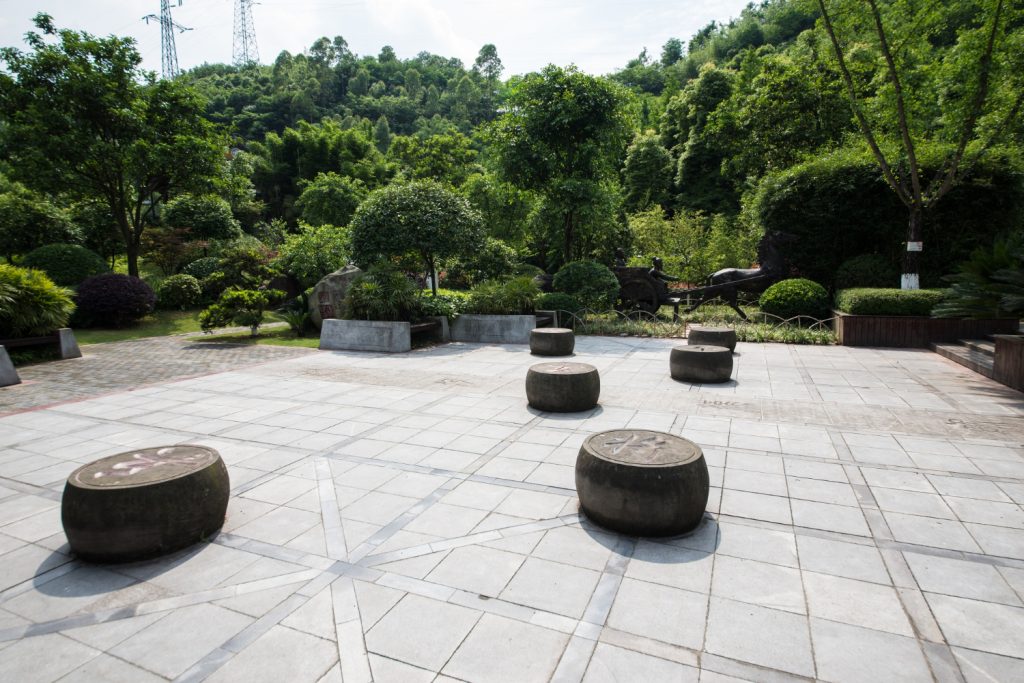
A beautiful outdoor space is not built with plants alone. The structure of a yard often comes from the solid features that shape how you walk, sit, entertain, and manage slopes. That is where hardscaping patios interlock retaining walls become essential. These elements create usable outdoor zones, improve safety, support drainage, and add a polished look that makes a property feel more complete.
At Lumen Landscaping, we help homeowners in Hamilton, Burlington, and nearby areas design hardscaping patios interlock retaining walls that fit the property, handle Canadian weather, and work with the rest of the landscape. A patio should feel comfortable, interlock should stay stable, and retaining walls should support soil properly while improving the look of the yard. This guide explains the basics, cost factors, design considerations, and maintenance tips so you can make a smart decision before starting your next outdoor project.
What Is Hardscaping And Why Does It Matter?
Hardscaping refers to the non-living structural parts of a landscape, including patios, walkways, steps, retaining walls, stone borders, interlock driveways, Concrete transitions, and seating areas. While Gardening brings colour and softness, hardscaping creates the framework that makes a yard usable. When homeowners think about hardscaping patios interlock retaining walls, they are really thinking about how to turn open outdoor space into something functional, safe, and attractive.
Hardscaping matters because it gives your yard definition. A patio creates a place to sit, an interlock walkway guides movement, and a retaining wall can manage slope while adding visual structure. When these features are planned together, the property feels organized instead of unfinished. Lumen Landscaping often combines Hardscaping with Grading, Patio Restoration, and planting design so the finished space works as one complete outdoor system.
Hardscaping Vs Softscaping
Hardscaping is the stone, paver, block, and Concrete side of landscaping, while softscaping includes plants, lawn, mulch, soil, and trees. Both are important. Hardscaping patios interlock retaining walls create the structure, and softscaping softens the edges with colour, texture, and seasonal interest.
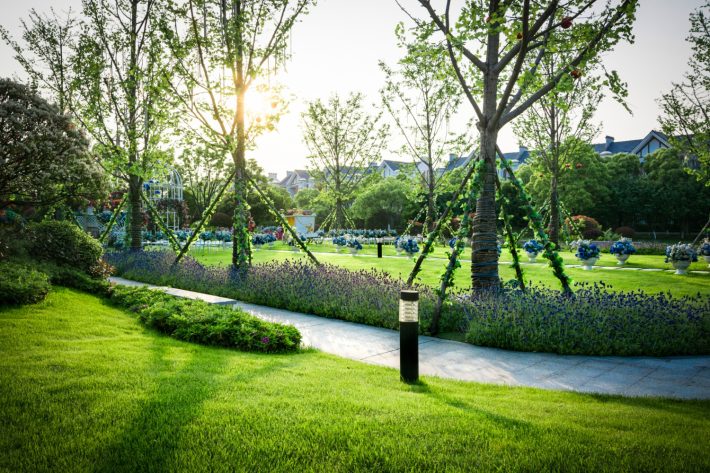
A yard with only plants can feel unfinished, while a yard with only hard surfaces can feel harsh. The best landscapes combine both. A patio may look better with garden beds around it, and retaining walls often feel more natural when paired with shrubs, perennials, or groundcovers.
Patios: The Foundation Of Outdoor Living
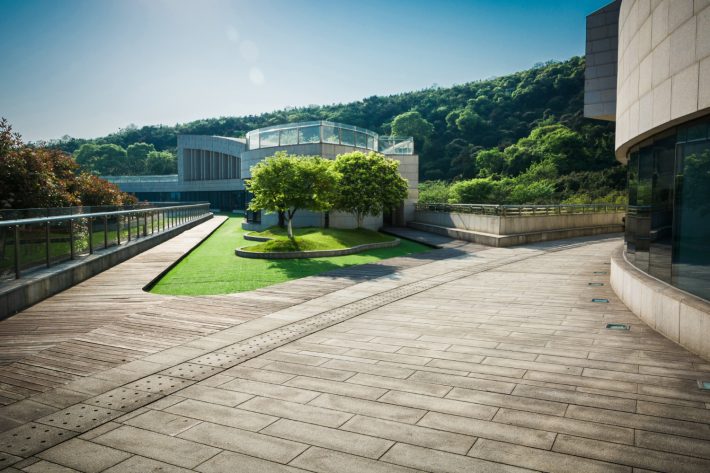
A patio is one of the most popular hardscape upgrades because it creates a usable outdoor room. It can support dining, relaxing, grilling, entertaining, or simply enjoying the backyard. When homeowners ask about hardscaping patios interlock retaining walls, patios are often the first feature they consider because they immediately change how the yard is used.
A well-built patio should be sized for real life. It needs enough room for furniture, walking space, and access to doors or pathways. It also needs proper base preparation and slope so water drains away instead of pooling. Without the right base and Grading, even attractive patio materials can shift, sink, or become difficult to maintain.
Choosing The Right Patio Material
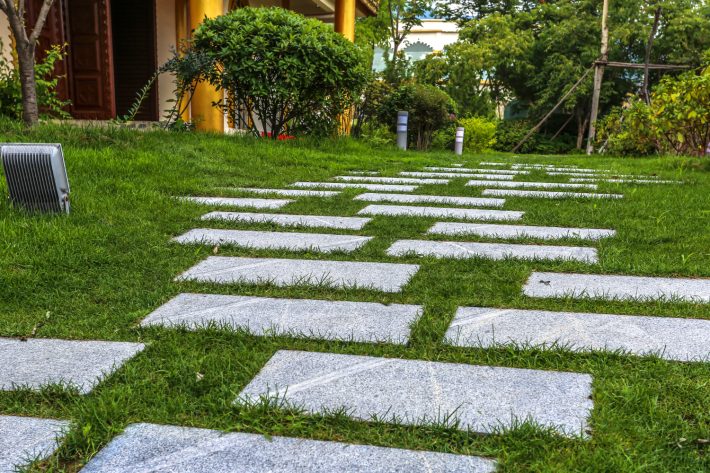
Common patio materials include interlock pavers, natural stone, Concrete, and slab products. Interlock pavers are popular because they offer design flexibility and can be repaired in sections. Concrete can be useful for clean transitions, simple pads, and steps. Natural stone offers a premium look but may require more careful installation and budget planning.
The best patio material depends on style, budget, maintenance expectations, and site conditions. In Canadian climates, freeze and thaw cycles make base preparation especially important. For hardscaping patios interlock retaining walls, the material you see on top matters, but what is underneath often matters more.
Interlock: Flexible, Durable, And Design-Friendly
Interlock uses individual pavers installed over a compacted base with jointing material between units. It is used for patios, walkways, driveways, borders, and outdoor living areas. Interlock is one of the most flexible options for hardscaping patios interlock retaining walls because it can be designed in many patterns, colours, and sizes, and it can often be repaired without replacing the whole surface.
The major benefit of interlock is repairability. If a section settles, stained pavers can be replaced, or an area needs underground access, individual pavers can be lifted and reset. This makes interlock especially practical for Southern Ontario properties where seasonal movement, tree roots, and water flow can affect outdoor surfaces over time.
What Makes Interlock Last Longer?
Interlock longevity depends on excavation, base depth, compaction, edge restraint, drainage, and joint maintenance. A weak base leads to sinking. Poor edge restraint allows spreading. Bad drainage creates freeze and thaw movement. Strong installation practices help interlock stay level and attractive for years.
If your existing interlock is uneven, weedy, or sunken, Patio Restoration can often improve the surface without full replacement. Lumen Landscaping can lift affected areas, correct base issues where possible, refresh joints, and restore a cleaner appearance.
Retaining Walls: Support, Structure, And Slope Control
Retaining walls hold back soil and help manage changes in elevation. They are useful for sloped yards, raised garden beds, patio support, erosion control, and creating usable flat areas. Among hardscaping patios interlock retaining walls, retaining walls require special attention because they deal with soil pressure, water pressure, drainage, and structural stability.
A retaining wall is not just a stack of blocks. It needs the right base, backfill, drainage stone, and sometimes geogrid or engineering support depending on height and load. Poorly built walls can lean, crack, bulge, or fail. This is why retaining walls should be planned carefully, especially when they are near property lines, patios, driveways, or structures.
When A Retaining Wall Is The Right Solution
A retaining wall may be the right solution when a slope makes the yard hard to use, when soil is washing into lower areas, or when you want to create a level patio or garden bed. In hardscaping patios interlock retaining walls projects, retaining walls often support outdoor living areas by making space more practical.
Retaining walls can also improve curb appeal. A clean wall can frame a front garden, create tiered planting, or make a backyard feel more finished. When combined with Gardening, retaining walls can turn a difficult slope into a feature instead of a problem.
Drainage And Grading Are The Hidden Keys To Success
Drainage is one of the biggest factors in any hardscape project. Water that collects under patios, beside retaining walls, or along interlock joints can cause movement, washouts, ice, and long-term damage. When planning hardscaping patios interlock retaining walls, Grading should be considered before materials are chosen because water movement affects everything.
The City of Hamilton notes that landscaping and construction should not disrupt approved lot grading because drainage pattern changes can create problems. This matters for homeowners because patios, walkways, and retaining walls can change how water moves across a property. Before starting major hardscaping, it is smart to understand drainage paths and whether site alteration rules may apply.
Why Water Pressure Matters Behind Retaining Walls
Retaining walls must handle soil pressure, but water pressure can be even more damaging if drainage is missing. Water trapped behind a wall adds force and can push the wall outward. Proper drainage stone, filter fabric, outlets, and backfill planning reduce that pressure and help the wall perform properly.
This is why hardscaping patios interlock retaining walls should never be planned as surface-only upgrades. A retaining wall that looks great on day one but lacks drainage can become a costly problem later.
Signs You Need Hardscaping Help
- Your patio has uneven areas or standing water
- Interlock joints are full of weeds or washing out
- Walkways have trip hazards or sinking sections
- Water flows toward the house after rain
- Mulch or soil washes out of garden beds
- A slope makes part of the yard hard to use
- You want a cleaner outdoor seating zone
- Existing Concrete transitions are cracked or unsafe
- A retaining wall is leaning, bulging, or separating
- You want less lawn maintenance and more usable space
These signs often point to issues that hardscaping patios interlock retaining walls can solve. A professional assessment helps determine whether the best option is repair, restoration, redesign, or a full new installation.
How Patios, Interlock, And Walls Work Together
The best hardscape designs are connected. A patio should link naturally to a walkway, the walkway should connect to doors or gates, and retaining walls should support the layout rather than feel like separate blocks in the yard. When hardscaping patios interlock retaining walls are planned together, the yard becomes easier to use and easier to maintain.
For example, a retaining wall may create the level space needed for a patio. Interlock can then form the patio surface and continue as a walkway to the side gate. Garden beds can soften the edges, and Grading can direct water away from the home and hard surfaces. Lumen Landscaping uses this connected approach so each feature supports the next.
Design Consistency Matters
Consistent materials, colours, and shapes make a hardscape project look professional. If your patio uses one paver tone, repeating a related tone in a walkway or wall cap creates a cohesive look. For hardscaping patios interlock retaining walls, consistency helps the yard feel designed rather than patched together over time.
This does not mean everything must match exactly. It means the materials should feel related and should suit the style of the home. A clean, simple design often creates more lasting value than a busy layout with too many patterns.
Common Hardscaping Mistakes Homeowners Should Avoid
One of the biggest mistakes is focusing only on the surface material and ignoring the base. Pavers, stone, Concrete, and wall blocks all need proper preparation. If the foundation is weak, the finished surface will not last. When evaluating hardscaping patios interlock retaining walls, always ask about excavation depth, base materials, compaction, drainage, and edge restraint.
Another mistake is building without thinking about water flow. A patio that slopes toward the house, a wall without drainage, or interlock installed over a wet base can create ongoing issues. Planning drainage and Grading early prevents many of the problems homeowners face after the first winter.
Do Not Ignore Permits And Local Rules
Some hardscape projects may involve permits or approvals, especially if they affect grading, retaining walls, or site alteration. The City of Hamilton provides site alteration permit information, and homeowners should check local requirements before major work begins. This is especially important when soil is being moved, slopes are being changed, or drainage patterns may be affected.
A professional contractor can help you ask the right questions and plan responsibly. It is always better to confirm requirements before work begins than to deal with corrections later.
Maintenance Tips For Longer Lasting Hardscaping
Hardscaping needs less maintenance than many soft landscaping features, but it is not maintenance-free. Patios and interlock should be swept regularly to remove debris from joints. Weeds should be removed early before roots spread. Jointing material may need refreshing over time, especially after heavy rain or years of use.
Retaining walls should be checked for leaning, bulging, or drainage issues. If water constantly collects behind or around a wall, address the cause quickly. Hardscaping patios interlock retaining walls last longer when small maintenance steps are handled before they become major repairs.
When Patio Restoration Makes Sense
Patio Restoration is a smart option when a paver patio or walkway has settled, shifted, or become weedy but the materials are still usable. Restoring the surface can improve safety, appearance, and drainage without the cost of a full replacement.
This is especially useful for homeowners who like their existing materials but want a cleaner, more stable surface. Lumen Landscaping can assess whether restoration is practical or whether replacement would be more cost-effective.
Why Choose Lumen Landscaping
Hardscaping patios interlock retaining walls require more than attractive materials. They require planning, drainage awareness, proper base construction, and installation details that hold up through Canadian weather. Lumen Landscaping helps homeowners in Hamilton, Burlington, and nearby areas build outdoor spaces that look polished and function well through every season.
Our services include Hardscaping for patios, walkways, interlock, and retaining walls, Grading to manage water movement, Concrete transitions for safe and clean edges, Patio Restoration for existing paver surfaces, and Gardening to soften hardscape areas with plants and beds. When these services are planned together, your outdoor space becomes stronger, more practical, and more beautiful.
Ready To Build A Stronger Outdoor Space?
Hardscaping patios interlock retaining walls are the foundation of a functional landscape. Patios create outdoor living space, interlock adds flexible and repairable surfaces, and retaining walls manage slopes while adding structure. When these features are built with proper base preparation, drainage, Grading, and material selection, they can improve curb appeal, safety, and daily enjoyment for years.
If you are planning hardscaping patios interlock retaining walls for your Hamilton or Burlington property, Lumen Landscaping is ready to help. Reach out to discuss your project, and we will recommend the right mix of Hardscaping, Grading, Concrete, Patio Restoration, and Gardening services to create an outdoor space that looks great and performs properly.
Frequently Asked Questions
- What does hardscaping patios interlock retaining walls mean?
Hardscaping patios interlock retaining walls refers to the structural outdoor features that shape a yard, including patio surfaces, paver walkways, interlock areas, and walls that hold back soil. - Why is drainage important for hardscaping patios interlock retaining walls?
Drainage is critical because water under patios, behind walls, or around interlock can cause settling, shifting, ice buildup, and wall pressure. - Can hardscaping patios interlock retaining walls improve property value?
Yes, hardscaping patios interlock retaining walls can improve curb appeal, create usable outdoor space, and make the property feel more finished. - How long do hardscaping patios interlock retaining walls last?
They can last for many years when installed with proper base preparation, drainage, Grading, and maintenance. - Is Patio Restoration better than replacing old interlock?
Patio Restoration can be better when existing pavers are still in good condition and only need re-leveling, joint refresh, and minor base correction. - Do hardscaping patios interlock retaining walls need permits in Hamilton?
Some projects may require permits or approvals, especially if grading, site alteration, or retaining walls are involved, so homeowners should check local requirements. - What services support hardscaping patios interlock retaining walls projects?
Hardscaping, Grading, Concrete, Patio Restoration, and Gardening all support strong hardscaping patios interlock retaining walls projects.