
Interlocking Patio Installation Explained: Planning, Design & Installation Process
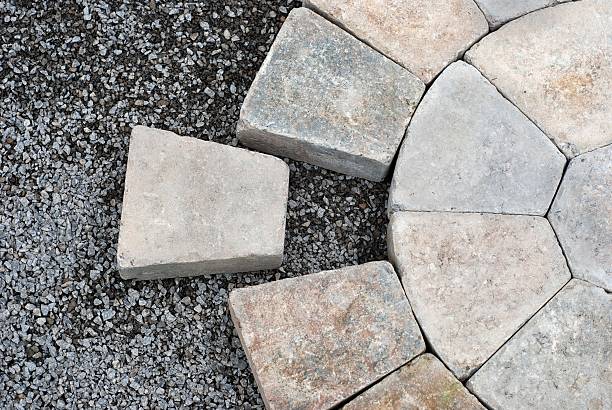
An interlocking patio is one of the most popular outdoor improvements for homeowners who want a beautiful, durable, and low maintenance outdoor living space. Whether you are creating a relaxing seating area, an outdoor dining space, or an attractive extension of your landscape, interlocking pavers offer exceptional versatility and long lasting performance. A successful project begins with careful planning, quality materials, and proper installation techniques. Homeowners considering patio installation should understand the installation process, design possibilities, maintenance requirements, and the advantages of working with experienced professionals. This guide explains every stage of interlocking patio installation to help you make informed decisions before starting your project.
What Is Interlocking Patio Installation?
Interlocking patio installation is the process of constructing a patio using specially manufactured pavers that fit tightly together to create a stable and attractive surface. Unlike poured concrete, interlocking pavers are individual units installed over a compacted aggregate base, allowing slight movement without causing widespread cracking. This installation method produces a strong and flexible outdoor surface capable of handling changing weather conditions while maintaining its appearance for many years.
How Interlocking Pavers Create Durable Outdoor Spaces
Interlocking pavers are designed to distribute weight evenly across the surface, making them highly resistant to heavy foot traffic and everyday use. Their segmented construction allows each paver to move slightly without affecting surrounding stones, reducing the likelihood of major structural damage. When installed on a properly prepared foundation, interlocking patios remain level, stable, and visually appealing through seasonal temperature changes.
Why Homeowners Choose Interlocking Patios
Many homeowners prefer interlocking patios because they combine durability with outstanding design flexibility. Available in a wide range of colours, textures, shapes, and sizes, interlocking pavers can complement both traditional and modern homes. Individual pavers can also be replaced if damaged, making repairs much simpler than replacing an entire concrete surface.
Benefits of an Interlocking Patio
An interlocking patio offers advantages that extend far beyond appearance. It creates valuable outdoor living space while requiring relatively little maintenance compared to many other hardscape options.
Long Term Durability and Low Maintenance
One of the greatest advantages of interlocking patios is their long lifespan. Properly installed pavers can perform exceptionally well for decades with routine maintenance. The durable surface resists cracking, supports heavy use, and adapts to minor ground movement more effectively than many alternative materials. Regular sweeping, occasional washing, and periodic joint sand replacement are generally all that is needed to preserve the patio’s appearance.
Design Flexibility and Increased Property Value
Interlocking pavers provide nearly unlimited design possibilities. Homeowners can choose from numerous laying patterns, colour combinations, border styles, and decorative accents to create a unique outdoor space. Beyond visual appeal, a professionally installed patio also enhances curb appeal and contributes to increased property value by expanding usable outdoor living space.
Planning Your Patio Installation Project
Proper planning plays a major role in the success of every patio installation project. Careful consideration of layout, size, materials, and surrounding landscaping ensures the finished patio meets both functional and aesthetic goals.
Choosing the Right Patio Size, Shape, and Layout
The ideal patio layout depends on how the space will be used and the available area within the property. Larger patios provide room for dining furniture, outdoor kitchens, and seating areas, while smaller patios create comfortable spaces for relaxation. Curved layouts soften the appearance of landscaping, whereas rectangular designs often complement contemporary architecture. Planning future landscaping improvements during the design stage also helps create a cohesive outdoor environment.
Selecting the Best Interlocking Pavers for Your Property
Paver selection should balance appearance, durability, maintenance, and budget. Homeowners should consider colour, texture, thickness, and overall design compatibility with the home. Premium pavers often provide enhanced strength and longer service life, making them an excellent long term investment. Working with Lumen Landscaping helps homeowners select products that perform well in Hamilton’s climate while complementing the property’s overall landscape design.
Understanding the Interlocking Pavers Installation Process
Professional installation follows a structured process that ensures long lasting performance and structural stability.
Site Preparation, Excavation, and Base Installation
Every successful installation begins with careful site preparation. Contractors remove existing materials, excavate the required depth, and install a compacted aggregate foundation that supports the finished patio. Proper grading directs water away from the patio while reducing the risk of erosion and settlement. A stable base is one of the most important factors affecting the longevity of the entire installation.
Laying, Cutting, and Securing Patio Interlocking Pavers
After the foundation is complete, pavers are carefully installed according to the selected pattern. Border pieces are measured and cut for precise alignment around curves, edges, and obstacles. Once all pavers are installed, joint sand is swept into the spaces between them before the surface is compacted to lock everything securely into place. This final compaction stage creates the strength and stability that interlocking patios are known for.
Popular Patio Design Options
Interlocking patios can be customized to suit nearly every architectural style and landscaping preference.
Modern, Traditional, and Custom Interlocking Patterns
Modern patios often feature large format pavers, neutral colours, and clean geometric patterns that create a contemporary appearance. Traditional patios typically incorporate smaller pavers and classic laying patterns that blend naturally with mature landscapes. Custom installations combine multiple colours, textures, and decorative borders to create one of a kind outdoor spaces tailored to the homeowner’s vision.
Adding Borders, Steps, Lighting, and Outdoor Features
Decorative features add both beauty and functionality to an interlocking patio. Popular additions include contrasting borders, retaining walls, integrated steps, landscape lighting, seating walls, fire features, and garden planters. These elements create a complete outdoor living environment while increasing the patio’s overall usability.
DIY vs. Professional Patio Installation
Although installing interlocking pavers may appear straightforward, achieving professional quality results requires experience, specialized equipment, and careful attention to detail.
Challenges Homeowners Face With DIY Installation
Many DIY projects encounter problems related to excavation depth, grading, drainage, base compaction, and paver alignment. Even small installation errors can lead to uneven surfaces, water pooling, shifting pavers, and expensive repairs in the future. Purchasing equipment and correcting mistakes may also increase the total project cost.
Benefits of Hiring Professional Patio Installation Experts
Professional contractors understand soil conditions, drainage requirements, material selection, and proven installation techniques. Their experience helps ensure proper foundation preparation, precise paver placement, and efficient project completion. Homeowners also benefit from professional warranties, quality workmanship, and reliable project management throughout the installation process.
Common Mistakes to Avoid During Installation
Avoiding common installation mistakes greatly improves the durability and appearance of an interlocking patio.
Poor Base Preparation and Drainage Issues
An inadequate foundation is one of the leading causes of patio failure. Without proper excavation, compacted aggregate, and drainage planning, pavers may settle unevenly or shift over time. Standing water can also weaken the foundation and contribute to long term structural problems.
Incorrect Paver Spacing and Compaction
Improper spacing between pavers can reduce stability while allowing joint sand to wash away more easily. Inadequate compaction may also cause movement after installation. Following professional installation standards ensures every paver remains securely locked in place for maximum durability.
Maintaining an Interlocking Patio
Routine maintenance helps preserve both the appearance and structural integrity of an interlocking patio for many years.
Cleaning, Joint Sand Replacement, and Weed Prevention
Regular sweeping removes leaves, dirt, and debris before they cause staining or organic buildup. Periodically replacing joint sand helps maintain paver stability while discouraging weed growth. Gentle pressure washing and occasional sealing also help preserve colour and protect the surface from weather exposure.
Seasonal Maintenance Tips for Long Term Performance
Seasonal inspections allow homeowners to identify loose pavers, drainage issues, or areas requiring minor repairs before they become larger problems. During winter, careful snow removal protects the patio surface while avoiding unnecessary wear. If an existing patio begins showing signs of age, experienced patio restoration experts can restore damaged areas and extend the life of the installation without requiring complete replacement.
Why Homeowners Choose Lumen Landscaping
Choosing an experienced contractor is essential for achieving a patio that remains attractive and durable for years to come.
Expert Patio Installation Services With Skilled Craftsmanship
Lumen Landscaping specializes in designing and installing custom interlocking patios that enhance outdoor living while complementing the unique style of every property. Every project begins with careful planning, quality materials, and professional construction techniques.
Custom Interlocking Patio Designs Built for Lasting Performance
From initial consultation to final installation, every project is managed with attention to detail, reliable communication, and exceptional craftsmanship. Customized patio designs are built to withstand Hamilton’s climate while providing beautiful outdoor spaces that homeowners can enjoy for many years.
Conclusion
An interlocking patio combines beauty, durability, and design flexibility to create an outdoor living space that adds lasting value to your property. By selecting quality materials, planning carefully, avoiding common installation mistakes, and working with experienced professionals, homeowners can enjoy a patio that performs reliably through every season. Whether you are installing a brand new patio or upgrading an existing outdoor area, investing in professional craftsmanship delivers long term benefits. If you are ready to begin your project, contact the team at Lumen Landscaping to discuss your patio installation plans and receive expert guidance.
FAQs
1. How long does an interlocking patio last?
A professionally installed interlocking patio can last 30 years or more with proper maintenance and periodic joint sand replacement.
2. Are interlocking pavers better than poured concrete?
Interlocking pavers offer greater flexibility, easier repairs, and excellent resistance to minor ground movement, making them a popular choice for many homeowners.
3. How often should an interlocking patio be sealed?
Sealing is generally recommended every few years depending on the type of pavers, weather exposure, and manufacturer recommendations.
4. Why is proper base preparation important?
A properly compacted foundation prevents settling, shifting, drainage problems, and uneven surfaces, ensuring long term structural stability.
5. Can damaged interlocking pavers be replaced?
Yes. Individual pavers can usually be removed and replaced without affecting the surrounding patio, making repairs simple and cost effective.
