Sod Installation Hamilton for a Healthy and Long Lasting Lawn
A healthy lawn can improve the overall appearance, comfort, and value of a property. Many homeowners in Ontario prefer sod installation because it delivers faster results and creates an instantly green landscape compared to traditional seeding methods. Fresh sod establishes quickly when installed correctly and provides a dense, uniform lawn that enhances both residential and commercial outdoor spaces.
Homeowners looking for professional sod installation hamilton services often choose sod because it offers immediate visual improvement and long term durability. Proper installation, soil preparation, grading, and maintenance all play an important role in creating a healthy lawn that remains strong throughout the changing Ontario seasons.
Understanding the installation process and long term lawn care requirements can help homeowners protect their investment and maintain attractive outdoor spaces for years.
Why Sod Installation Hamilton Is a Popular Choice for Homeowners
Benefits of Installing Sod Instead of Seeding
Sod installation provides several advantages compared to traditional grass seeding. One of the biggest benefits is the immediate transformation of the property. Instead of waiting weeks for grass to germinate and grow, sod creates an established lawn almost instantly.
Sod also offers better erosion control because mature grass roots help stabilize the soil immediately after installation. This is especially important for sloped properties or areas exposed to heavy rainfall.
Another major advantage is consistency. Seeded lawns can develop uneven growth patterns, patchy areas, or weed issues during germination. Sod provides a dense and uniform appearance from the beginning, resulting in a cleaner and more professional finish.
Additionally, sod installation often requires less time before the lawn becomes usable. With proper watering and maintenance, new sod can establish roots relatively quickly and begin developing into a healthy long term lawn.
Achieving Faster and More Consistent Lawn Growth
Ontario homeowners often prefer sod because of its ability to establish faster than seeded lawns. Since sod is already mature when installed, it adapts more efficiently to the environment once the roots begin integrating with the soil below.
Consistent growth also depends on proper preparation before installation. Healthy soil, correct grading, and appropriate watering practices all contribute to successful sod establishment.
Professionally installed sod creates a smoother and more visually appealing lawn surface compared to many seeded lawns. This consistent growth pattern supports better long term lawn health and reduces the likelihood of thin or uneven areas developing over time.
Preparing Your Property for Sod Hamilton Installation
Importance of Proper Soil Preparation Hamilton
Soil preparation is one of the most important steps in the sod installation process. Even high quality sod may struggle to establish properly if the soil beneath it is compacted, nutrient deficient, or poorly prepared.
The preparation process typically begins with removing debris, weeds, rocks, and any remaining grass from the installation area. Once cleared, the soil should be loosened to improve root penetration and water absorption.
Adding nutrient rich topsoil or soil amendments can improve the growing environment and support healthy root development. Proper soil preparation also helps maintain consistent moisture levels beneath the sod.
Testing soil conditions before installation can help identify pH imbalances or nutrient deficiencies that may affect long term lawn health. Addressing these issues early creates a stronger foundation for successful sod growth.
Lawn Grading Hamilton for Drainage and Surface Stability
Proper grading is essential for preventing drainage issues and maintaining an even lawn surface. Poor grading can lead to standing water, soil erosion, and uneven sod growth over time.
Grading ensures that water flows away from the home and distributes evenly across the lawn. This reduces the risk of water pooling, root damage, and muddy areas developing after rainfall.
A stable and level surface also helps the sod make better contact with the soil during installation. Good soil contact improves root establishment and encourages more consistent growth across the property.
Professional grading services can help homeowners avoid long term drainage problems while creating a smoother and more durable lawn surface.
Choosing the Best Sod Types Ontario for Your Lawn
Cool Season Grass Varieties for Ontario Climates
Ontario’s climate is best suited for cool season grass varieties that can tolerate temperature fluctuations, seasonal changes, and varying moisture conditions. Choosing the right sod type is important for maintaining a healthy and resilient lawn throughout the year.
Popular cool season grasses used in Ontario include Kentucky bluegrass, perennial ryegrass, and fine fescue blends. These grasses are known for their durability, attractive appearance, and ability to adapt to changing weather conditions.
Different sod blends may offer varying levels of drought resistance, shade tolerance, or wear resistance. Selecting the right combination depends on the specific conditions of the property and the homeowner’s lawn care goals.
Professional landscaping companies such as Lumen Landscaping often help homeowners select sod varieties that perform well in Hamilton and surrounding Ontario regions.
Selecting Sod Based on Sunlight and Usage Needs
Sun exposure plays a major role in determining which sod variety will perform best on a property. Some grass types thrive in full sunlight, while others tolerate partial shade more effectively.
High traffic lawns may also require more durable sod varieties capable of handling frequent use. Areas used for outdoor activities often benefit from stronger grass blends designed to recover quickly from wear.
Properties with limited sunlight may require shade tolerant sod to maintain healthy growth and consistent color. Understanding the property’s environmental conditions before installation helps improve long term lawn performance.
Choosing the appropriate sod variety reduces maintenance challenges and supports healthier lawn growth over time.
Step by Step Sod Installation Process
Removing Existing Grass and Debris
The first step in sod installation involves clearing the area completely. Existing grass, weeds, rocks, roots, and debris must be removed to create a clean and stable surface.
Removing unwanted vegetation helps eliminate competition for nutrients and moisture once the new sod is installed. This process also reduces the risk of weeds growing through the fresh lawn.
After clearing the area, the soil should be loosened and leveled to improve drainage and root contact. Any low spots or uneven areas should be corrected before installation begins.
Careful preparation at this stage helps create a smoother and more professional final result.
Laying, Rolling, and Securing New Sod Properly
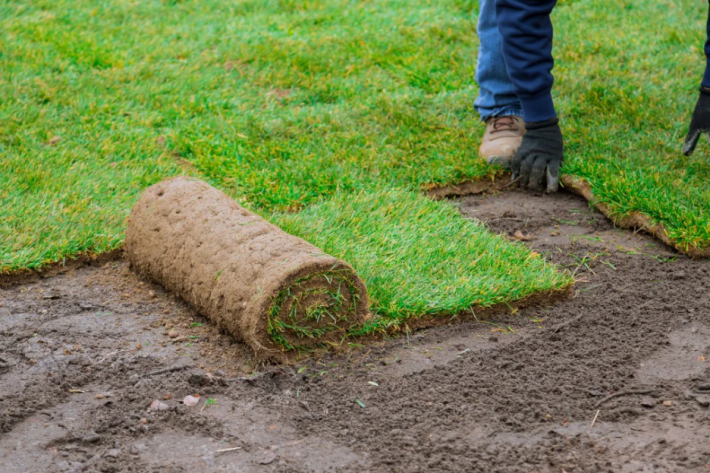
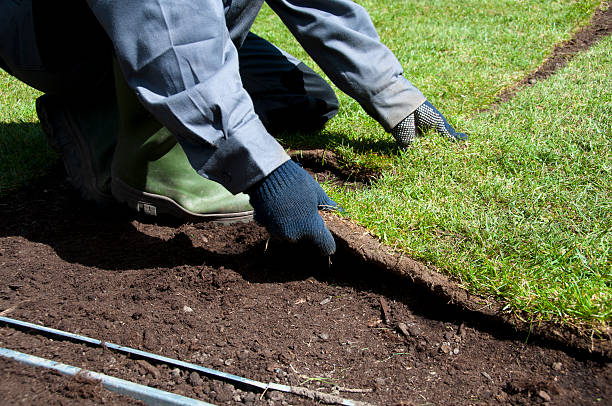
Sod installation should begin immediately after delivery to prevent the grass from drying out. Sod pieces are typically laid in staggered rows to minimize visible seams and improve overall appearance.
Each piece should fit tightly against adjacent sections without overlapping. Gaps between sod pieces can dry out and create uneven growth patterns.
Once installed, the sod is rolled to improve contact between the grass roots and the soil beneath. Proper rolling helps eliminate air pockets and encourages faster root establishment.
Homeowners investing in professional sod hamilton services often benefit from expert installation techniques that improve both appearance and long term durability.
Watering Schedule After Sod Installation
How Often to Water Newly Installed Sod
Watering is one of the most critical factors in successful sod establishment. Newly installed sod requires consistent moisture during the early rooting phase to prevent drying and shrinkage.
During the first few weeks, sod typically needs frequent watering to keep both the grass and underlying soil moist. Watering schedules may vary depending on weather conditions, sunlight exposure, and soil type.
Deep watering encourages stronger root growth compared to shallow watering. Maintaining proper soil moisture without oversaturating the lawn supports healthier establishment.
As the roots begin integrating into the soil, watering frequency can gradually decrease while increasing watering depth.
Preventing Overwatering and Dry Patches
Although watering is essential, excessive moisture can damage new sod and lead to root problems. Overwatering may cause fungal growth, weak root systems, and poor oxygen circulation in the soil.
Homeowners should monitor the lawn carefully for signs of uneven moisture levels. Dry patches may indicate insufficient watering coverage, while soggy areas may suggest drainage issues or excessive irrigation.
Adjusting sprinkler placement and watering duration helps maintain balanced moisture distribution across the lawn. Proper watering management supports healthier and more durable grass growth.
Lawn Maintenance Burlington and Long Term Sod Care
Mowing, Fertilizing, and Seasonal Maintenance Tips
Long term lawn health depends on consistent maintenance after sod installation. Mowing should begin once the grass reaches an appropriate height and the roots have established firmly in the soil.
Sharp mower blades help prevent tearing and stress on the grass. Cutting the lawn too short can weaken the turf and increase vulnerability to drought and weed growth.
Fertilization supports healthy root development and seasonal recovery. Nutrient applications should follow recommended schedules based on the grass type and soil conditions.
Seasonal lawn maintenance may also include aeration, overseeding, and soil conditioning to maintain strong turf health throughout the year.
Preventing Weed Growth and Lawn Damage
Healthy and dense sod naturally helps reduce weed growth by limiting open soil exposure. However, improper watering, mowing, or fertilization practices can weaken the lawn and create opportunities for weeds to develop.
Avoiding heavy foot traffic during early establishment helps protect young roots and prevent surface damage. Lawn care practices should focus on maintaining balanced moisture, healthy soil conditions, and consistent mowing routines.
Regular inspections can help identify potential issues before they become larger lawn problems.
Common Mistakes to Avoid During Sod Installation
Poor Soil Preparation and Uneven Grading
Skipping proper soil preparation is one of the most common sod installation mistakes. Compacted soil, poor drainage, and uneven grading can limit root growth and create long term lawn issues.
Insufficient grading may also cause water pooling and surface instability, leading to unhealthy grass conditions over time.
Taking time to prepare the soil correctly helps support better sod establishment and long term durability.
Incorrect Watering and Maintenance Practices
Improper watering is another major cause of sod failure. Underwatering can dry out the grass before roots establish, while overwatering can weaken the lawn and create disease risks.
Delayed mowing, poor fertilization timing, and inconsistent maintenance practices may also affect lawn health. Following a structured maintenance plan helps maximize the lifespan and appearance of the sod.
Conclusion
Professional sod installation provides homeowners with a fast and effective way to create a healthy, attractive, and long lasting lawn. Proper soil preparation, grading, sod selection, watering, and maintenance all contribute to successful lawn establishment and long term performance.
Whether you are improving a residential property or upgrading outdoor landscaping, professional installation services can help ensure lasting results. If you are ready to improve your outdoor space with expert sod installation services, Contact Us today to learn more about creating a healthier and more durable lawn.
FAQs
How long does new sod take to establish roots?
Most sod begins establishing roots within the first few weeks after installation when watered and maintained properly.
What is the best time of year for sod installation in Ontario?
Spring and early fall are generally ideal times for sod installation because cooler temperatures support healthy root growth.
How often should newly installed sod be watered?
New sod typically requires frequent watering during the first few weeks to maintain consistent moisture while roots establish.
Can sod be installed on uneven ground?
Uneven ground should be graded and leveled before installation to improve drainage and create a smoother lawn surface.
What type of sod works best in Ontario climates?
Cool season grasses such as Kentucky bluegrass and fine fescue blends are commonly used because they perform well in Ontario weather conditions.