
Best Low Water Plants For Southern Ontario Home Gardens
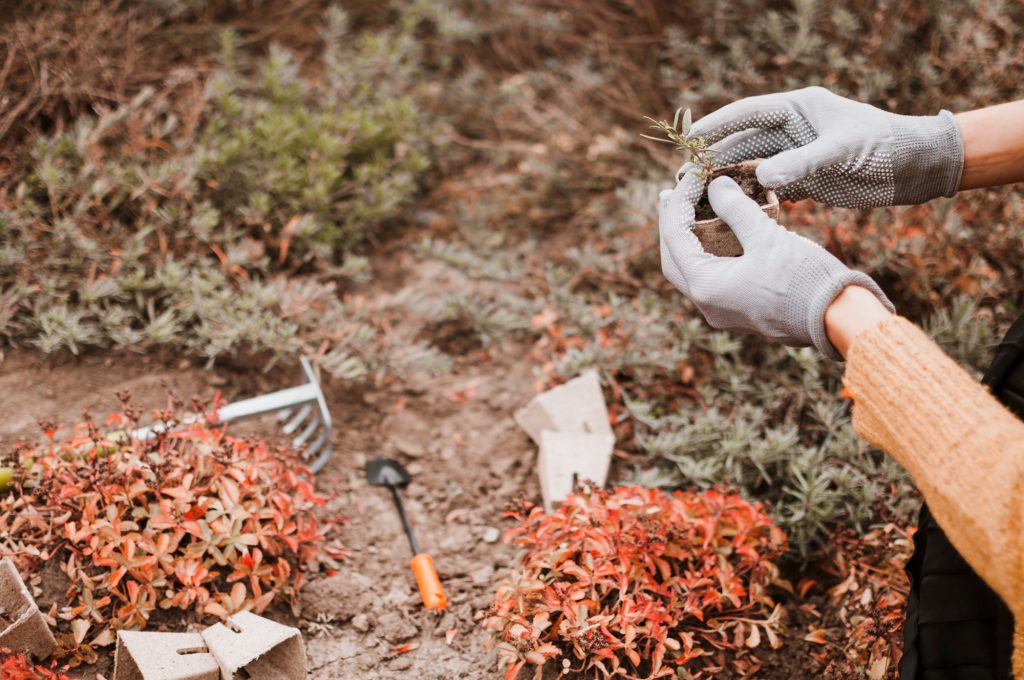
Southern Ontario summers can shift fast from steady rain to long hot dry stretches, and that can make a typical garden feel like a constant battle. If you want a landscape that still looks full and colourful when watering needs to be reduced, the solution is not just watering more. It is choosing the right plants, improving soil, and designing beds so your yard stays attractive with less stress. This guide focuses on Southern Ontario drought plants that homeowners in Hamilton, Burlington, and nearby communities can use to build a garden that holds up through heat and dry spells.
At Lumen Landscaping, we help homeowners plan drought resistant gardens that fit local conditions, including sun exposure, soil type, and drainage. The best results come from pairing Southern Ontario drought plants with smart Gardening practices, proper Grading, and clean Hardscaping borders that make beds easier to maintain. You will find plant recommendations, design tips, and practical steps that make Southern Ontario drought plants thrive long term.
Understand Southern Ontario Conditions Before You Choose Plants
Southern Ontario is not one single growing condition. Your success with Southern Ontario drought plants depends on your hardiness zone, how much sun your yard gets, and how your soil holds water. A plant that thrives in a sunny, well drained front bed may struggle in a shaded backyard corner with heavier soil, even if it is labeled drought tolerant. Matching plants to the reality of your site is the first step to building a garden that does not constantly need rescue watering.
Before buying anything, confirm your plant hardiness zone and choose plants that are cold hardy enough to return after winter. Drought tolerance matters in summer, but winter survival is still part of the value of Southern Ontario drought plants. The Government of Canada plant hardiness resources can help you match plant choices to your region.
Check Sun, Wind, And Heat Reflection
Full sun areas often dry out faster, especially near driveways, stone walkways, and south facing walls that reflect heat. Those spots are ideal for many Southern Ontario drought plants, but only if the soil is prepared and mulch is used properly. Windy corners and open front yards also dry quickly, so choose plants with tougher foliage and deeper roots.
If your yard has a mix of sun and shade, plan zones and group plants by water needs. This is one of the most effective ways to make Southern Ontario drought plants succeed, because you avoid overwatering the tough plants while trying to keep shade plants happy.
Soil Is The Hidden Key To Drought Resistance
Soil quality is often the difference between a garden that survives and a garden that thrives. Adding compost improves moisture retention and supports deeper roots, which makes Southern Ontario drought plants more resilient. Mulch reduces evaporation and keeps soil cooler, especially in exposed beds.
If you have drainage issues, solve them before planting. Poor water flow can cause plants to drown during heavy rain and then struggle in drought because roots never develop properly. This is where Grading improvements can protect your investment and help Southern Ontario drought plants establish faster.
Best Flowering Perennials That Handle Drier Summers
Flowering perennials are the easiest way to add long bloom colour while using Southern Ontario drought plants that do not demand constant watering. Many drought tolerant perennials have narrow leaves, silver foliage, or strong root systems, which helps them reduce water loss and recover after hot spells. When planted in the right spot and watered correctly during the first season, they become reliable performers year after year.
To get the most value, combine a few long blooming perennials with plants that add structure. This creates a garden that still looks intentional even when flowers are between bloom cycles. Lumen Landscaping often designs front beds using Southern Ontario drought plants that provide season long interest and a clean look with manageable maintenance.
Long Bloom Perennials For Sunny Beds
Lavender, catmint, coneflower, yarrow, blanket flower, Russian sage, and sedum are popular choices for sunny areas. These Southern Ontario drought plants handle heat well once established and also support pollinators, which adds life and movement to the garden. Many of these plants also work beautifully along Hardscaping edges, because their shapes soften stone borders and create a finished look.
The key is correct spacing and not overwatering. Many Southern Ontario drought plants fail when they are watered lightly every day, because roots stay shallow and the plant becomes less resilient. Deep watering a few times per week during establishment is usually better than frequent shallow watering.
Planting Tips That Improve Survival
Plant at the correct depth, loosen soil properly, and add compost if your soil is sandy or compacted. Finish with mulch, but keep mulch off the crown of plants. If you do these steps, Southern Ontario drought plants establish faster and reduce your long term watering needs.
If you want a professional finish, consider a Gardening refresh that includes bed shaping, soil improvement, and a clean edge detail. A neat bed line makes even simple Southern Ontario drought plants look like a premium landscape.
Shrubs And Small Trees That Add Structure With Less Water
Shrubs and small trees add year round structure, which is a major part of curb appeal. While flowers come and go, shrubs anchor the design and give your landscape a finished look. Many Southern Ontario drought plants in the shrub category are tough once established and require less ongoing fuss than high maintenance flowering plants.
Shrubs also help reduce the feeling of emptiness in winter and early spring. If you want a low maintenance look that supports property value, choose shrubs with good form, winter interest, and strong resilience. Combined with clean Hardscaping and proper Grading, shrubs can make a yard feel more upscale with less work.
Reliable Shrubs For Southern Ontario Landscapes
Potentilla, juniper, some spirea varieties, and ninebark are commonly used because they handle heat and still look attractive when watered less. Serviceberry is a strong small tree option that offers spring flowers, seasonal interest, and good performance once established. These Southern Ontario drought plants work well in foundation beds, along fences, and as focal points near an entry walkway.
When selecting shrubs, consider mature size and spacing. Overcrowded shrubs are harder to maintain and can trap moisture, which increases disease risk. Proper spacing makes Southern Ontario drought plants look cleaner and helps airflow.
Use Trees To Create Natural Shade
Shade reduces evaporation and keeps soil cooler, which lowers watering demand across your landscape. Even one well placed small tree can protect perennials, reduce lawn stress, and make your outdoor space more comfortable. This makes shade planning a smart strategy when building a garden around Southern Ontario drought plants.
For properties with slope or pooling problems, Grading changes may be needed before adding trees or shrubs. If water collects in planting zones, roots can suffer even if you choose Southern Ontario drought plants, so water movement still matters.
Groundcovers And Lawn Alternatives For Dry Spots
Groundcovers are one of the most practical Southern Ontario drought plants categories because they protect soil, reduce weeds, and fill space quickly. They also help you reduce lawn area, which is a major step toward using less water overall. Lawns often struggle during dry weather, especially in sunny front yards with compacted soil, so replacing small sections with groundcovers can improve curb appeal and reduce maintenance.
Lawn alternatives do not need to be extreme. Many homeowners keep lawn where they use it, then convert awkward strips, slopes, and hard to mow corners into planting zones. This is one of the simplest ways Southern Ontario drought plants can improve the function and look of a yard without a full redesign.
Tough Groundcovers For Sun And Heat
Creeping thyme, creeping phlox, and sedum varieties can work well in sunny areas with good drainage. These Southern Ontario drought plants are useful between stepping stones, along borders, and in narrow side yard strips. They also pair nicely with Hardscaping paths because they soften the look and reduce exposed soil.
Choose groundcovers based on foot traffic. Some are decorative only, while others can handle light stepping. A thoughtful layout keeps Southern Ontario drought plants looking tidy and prevents damage in high use zones.
Smarter Lawn Choices Without Full Replacement
If you want a green look with less watering, reduce lawn size and improve soil in the lawn areas you keep. Mow higher, avoid over fertilizing, and topdress with compost where possible. When you combine these steps with Southern Ontario drought plants in surrounding beds, your property can look greener overall while using less water.
If you notice puddling or runoff, Grading improvements can make a big difference. Good grading helps rainfall soak in where it should, rather than washing away or creating soggy zones that later dry into hard cracked soil.
Quick Picks For A Drought Friendly Plant Mix
- Lavender for fragrance and sun tolerance
- Catmint for long bloom and easy care
- Coneflower for colour and pollinator support
- Yarrow for heat tolerance and structure
- Sedum for low water performance and fall interest
- Little bluestem for movement and seasonal colour
- Potentilla for long blooming shrub colour
- Ninebark for bold foliage and strong form
- Creeping thyme for groundcover and edging
- Serviceberry for a small tree with multi season value
This mix works best when you group plants by sun exposure and water needs, then support them with compost and mulch. When planned well, Southern Ontario drought plants create a landscape that looks designed, not sparse.
Water Wise Design That Makes Drought Tolerant Plants Work Better
Plant selection is only half the solution. The other half is design and installation methods that help soil hold moisture and help roots grow deeper. Many homeowners choose Southern Ontario drought plants, but still struggle because beds are too exposed, soil is too compacted, or water runs off before it can soak in. A water wise plan makes every plant more successful, even before you add irrigation.
Ontario monitors drought conditions and provides guidance related to low water impacts. Building a landscape that performs during dry periods can reduce stress when rainfall is low and outdoor water use needs to be reduced.
Mulch And Compost Are The Highest Return Upgrades
Mulch reduces evaporation and keeps soil cooler. Compost improves moisture retention and supports beneficial soil life. Together, these steps help Southern Ontario drought plants establish faster and stay healthier with less watering. Aim for consistent mulch coverage and refresh it as needed, especially after heavy rain or wind.
Mulch also improves the look of a landscape. A clean mulch finish makes plantings look intentional, which is part of why Gardening services can add value when you want a premium result with Southern Ontario drought plants.
Group Plants By Water Needs
Put higher water plants in one zone and tougher plants in another. This avoids watering everything equally, which often wastes water and can harm Southern Ontario drought plants that prefer drier conditions. Plant grouping also makes your watering routine simpler and more effective.
When you combine plant grouping with defined Hardscaping borders, it is easier to manage beds and reduce lawn area. This creates a neat, organized look that still feels full and natural.
Avoid Invasive Or Problem Plants When Planning Your Garden
Some plants survive drought because they spread aggressively, and that can create long term problems. Choosing responsible Southern Ontario drought plants means avoiding invasive species that harm ecosystems and become expensive to remove later. The Canadian Food Inspection Agency provides guidance on invasive plants and plant health concerns, which is worth reviewing when planning new beds.
A safe approach is to choose well behaved cultivars, native friendly options, and proven garden plants with controlled growth habits. If you are unsure, ask a professional before planting. This protects your time, your budget, and the long term health of your landscape.
Keep Planting Beds Contained And Maintained
Even non invasive plants can look messy if beds are not edged and maintained. A defined bed line, mulch, and proper spacing help Southern Ontario drought plants look polished. Containment also reduces weeds and keeps plants from creeping into lawn or onto paths.
If a bed borders a patio or walkway, consider Patio Restoration or small Hardscaping adjustments to create clean edges and reduce soil spillover. These details make the whole yard feel more finished.
Why Choose Lumen Landscaping
Choosing Southern Ontario drought plants is the right start, but the best results come from proper installation, soil prep, and a layout that fits your property. Lumen Landscaping helps homeowners plan drought friendly gardens that look attractive, fit the home style, and perform through Southern Ontario seasons. We focus on plant selection, bed preparation, and finishing details that reduce maintenance and keep the landscape looking sharp.
We can support your project with Gardening services to install and refresh planting beds, Grading to improve drainage and water movement, Hardscaping to create clean borders and functional outdoor zones, and Patio Restoration when existing stone surfaces need leveling and a refreshed finish. When these elements work together, Southern Ontario drought plants thrive and your yard becomes easier to enjoy.
Ready To Build A Low Water Garden In Southern Ontario?
A beautiful low water garden is possible in Southern Ontario when you choose plants that match your site, improve your soil, and design beds with water movement in mind. With the right Southern Ontario drought plants, you can build a landscape that stays colourful and structured during hot, dry stretches without constant watering and constant worry.
If you want help selecting, designing, or installing Southern Ontario drought plants in Hamilton, Burlington, or nearby areas, Lumen Landscaping is ready to help. Reach out to discuss your goals and we will recommend a plan that blends smart Gardening, Grading, Hardscaping, and Patio Restoration solutions for a finished, long lasting landscape.
Frequently Asked Questions
1. What Are The Best Southern Ontario Drought Plants For Full Sun?
Many Southern Ontario drought plants for full sun include lavender, catmint, coneflower, yarrow, sedum, and ornamental grasses.
2. How Often Should I Water Southern Ontario Drought Plants In The First Year?
Southern Ontario drought plants still need consistent watering during establishment, usually deeper watering a few times per week depending on heat and soil, then less frequent watering as roots develop.
3. Do Southern Ontario Drought Plants Need Mulch?
Yes, mulch is one of the best upgrades because it reduces evaporation and helps Southern Ontario drought plants stay healthier with less watering.
4. Can Southern Ontario Drought Plants Work In Partial Shade?
Yes, some Southern Ontario drought plants can handle partial shade, especially certain groundcovers and hardy perennials chosen for lower light.
5. Are Southern Ontario Drought Plants Good For Pollinators?
Many Southern Ontario drought plants support pollinators, including coneflower, catmint, and yarrow.
6. What Is The Biggest Mistake People Make With Southern Ontario Drought Plants?
A common mistake is shallow frequent watering, because Southern Ontario drought plants do better with deeper watering that trains roots to grow down.
7. How Do I Avoid Choosing Invasive Southern Ontario Drought Plants?
Check federal guidance and choose well behaved options, since some aggressive plants create long term problems.
