Interlock Driveway vs Concrete: Which Is Better for Burlington Homes?
Choosing a new driveway is a bigger decision than many homeowners expect. It affects curb appeal, drainage, winter maintenance, repair costs, and how well the front of your home holds up through Southern Ontario weather. If you are comparing interlock driveway vs concrete for a Burlington property, the best choice depends on your budget, style goals, lot grading, maintenance expectations, and how long you want the finished surface to perform before major repairs are needed.
At Lumen Landscaping, we help homeowners compare interlock driveway vs concrete by looking at the full exterior system, not just the surface material. A driveway has to handle vehicle weight, freeze and thaw cycles, water runoff, salt exposure, and daily use. That is why the right solution often includes strong Hardscaping planning, proper Grading, clean Concrete transitions where needed, and thoughtful Gardening around the edges so the finished property looks polished and drains correctly.
Understand What Each Driveway Option Offers
When comparing interlock driveway vs concrete, the first difference is how each system is built. Interlock uses individual pavers installed over a compacted base, with jointing material between the stones and edge restraints to hold everything in place. Concrete is usually poured as a continuous slab or sectioned surface, then finished, cured, and jointed to help manage cracking. Both can look attractive, but they behave differently over time, especially in a climate where moisture and temperature swings are common.
The second difference is repairability. Interlock is modular, so individual stones or settled sections can often be lifted, adjusted, and reset. Concrete is continuous, so cracks, heaving, or surface damage can be harder to repair invisibly. That does not mean one is automatically better in every situation. It means interlock driveway vs concrete should be decided based on how much flexibility, maintenance control, and design customization you want.
How Interlock Driveways Work
An interlock driveway depends on a strong base, correct compaction, solid edge restraint, and proper drainage. The pavers on top provide the finished look, but the system below provides the strength. In an interlock driveway vs concrete comparison, interlock is often preferred by homeowners who want pattern choices, colour variety, and the ability to restore problem sections without replacing the entire driveway.
How Concrete Driveways Work
A concrete driveway is poured into forms and finished as a solid surface. It can be plain, broom finished, stamped, or textured depending on the desired look. In an interlock driveway vs concrete decision, concrete often appeals to homeowners who want a clean, simple surface, but its long-term performance depends heavily on base preparation, reinforcement where appropriate, control joints, curing, and drainage.
Cost Differences For Burlington Homeowners
Cost is often the first question in an interlock driveway vs concrete conversation. In many cases, basic poured concrete can be less expensive upfront than a premium interlock driveway, while stamped or decorative concrete can move closer to interlock pricing. Interlock costs can vary widely based on paver choice, pattern complexity, borders, excavation, base depth, access, and drainage work. Concrete pricing also changes based on thickness, finish, reinforcement, removal, and site preparation.
The smartest way to compare interlock driveway vs concrete is not only by the initial quote. You should also think about future repairs, maintenance, and how the driveway will affect curb appeal. A cheaper surface that cracks, sinks, or drains poorly may cost more over time. A higher quality installation with proper Grading and base work can protect your investment and reduce the need for repeat repairs.
Why Quotes Can Vary So Much
Two Burlington homes can have driveways of similar size but very different costs because of slope, soil, access, existing material removal, and water movement. If one property needs drainage corrections or deeper excavation, the price will naturally be higher. That is why interlock driveway vs concrete estimates should always include a site review instead of relying only on square footage.
What To Look For In A Written Quote
A strong quote should explain removal, excavation, base preparation, drainage planning, materials, edges, timelines, and warranty approach. Ontario consumer guidance says home renovation contracts worth more than $50 must be in writing, which makes clear scope important before driveway work begins. This matters whether you choose interlock or Concrete.
Durability In Burlington Weather
Burlington driveways deal with rain, snow, ice, salt, and freeze and thaw movement. In the interlock driveway vs concrete debate, durability depends less on the surface alone and more on how the driveway is installed. A poorly built interlock driveway can sink and spread. A poorly built concrete driveway can crack, scale, or shift. The winning option is the one installed with the right base, slope, materials, and water management.
Freeze and thaw cycles are especially important. National Research Council Canada research on frost action in concrete discusses freeze-thaw effects and concrete deterioration, which is one reason proper concrete design and drainage matter in Canadian climates. For interlock, water under the base can also create movement, so drainage is critical for both options.
How Interlock Handles Seasonal Movement
Interlock is a flexible system, which means it can handle minor seasonal movement better than a single rigid surface. If a small area settles, Patio Restoration-style techniques can often be used to lift, re-level, and reset affected pavers. In an interlock driveway vs concrete comparison, this repair flexibility is one of interlock’s biggest advantages.
How Concrete Handles Seasonal Stress
Concrete can be durable, but it needs the right installation details to control cracking and surface wear. Proper joints, finishing, curing, and drainage are essential. In an interlock driveway vs concrete decision, concrete may be a good choice for homeowners who prefer a smooth, simple look and understand that visible repairs can be more challenging if cracks or settlement occur.
Drainage And Grading Should Guide The Decision
Drainage is one of the most important factors when comparing interlock driveway vs concrete. If water flows toward the house, pools near the garage, or runs across the driveway surface, both materials can develop problems. Water can weaken base layers, increase freeze and thaw movement, create icy areas in winter, and shorten the life of the driveway. Before choosing the surface, homeowners should understand how water moves across the property.
Burlington’s grading guidance notes that exterior construction involving new hard surfaces, including asphalt, concrete, granular, interlock, and patio stones, may require grading and drainage review: Burlington Grading And Drainage FAQ. That makes Grading a key part of any driveway plan. Lumen Landscaping reviews slope, runoff, and nearby landscape features so your driveway upgrade supports the property instead of creating new water problems.
Signs Your Driveway Needs Grading Attention
If water collects near the garage, freezes in low spots, washes soil from garden beds, or runs toward the foundation, Grading should be addressed before installation. In an interlock driveway vs concrete project, fixing these issues early helps protect whichever surface you choose.
Why Water Flow Affects Long-Term Value
A driveway with poor drainage can look good for a short time and then develop issues quickly. Interlock may sink where water softens the base, while concrete may crack or scale if moisture and freezing conditions are not managed properly. When comparing interlock driveway vs concrete, water flow should be considered a core cost and performance factor.
Design, Curb Appeal, And Customization
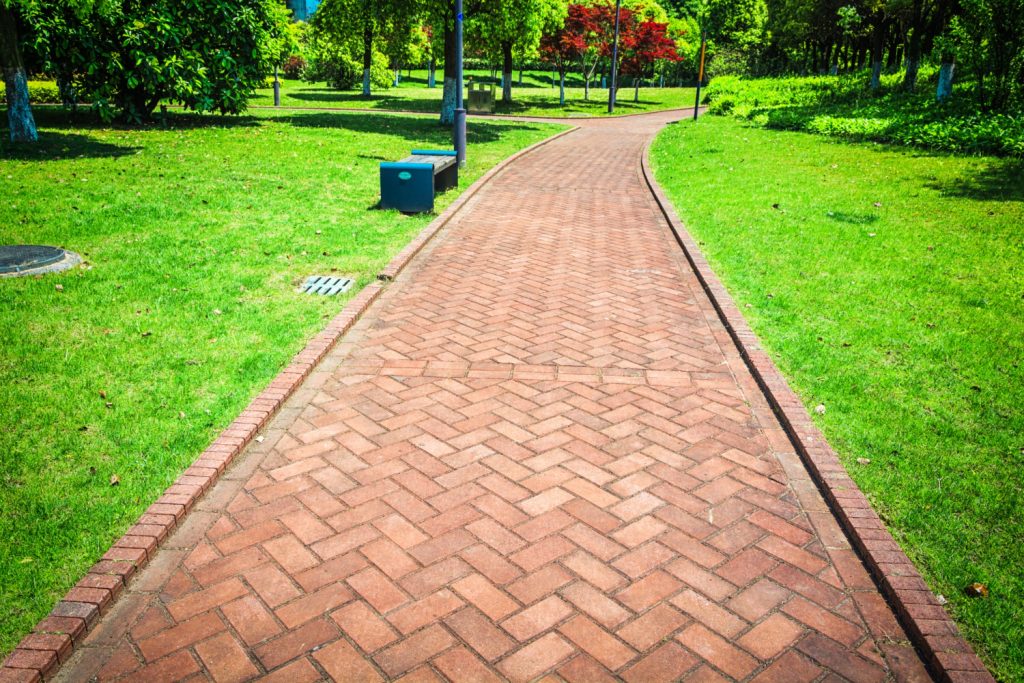
Interlock usually offers more design flexibility than plain concrete. You can choose different paver colours, textures, patterns, borders, and accents. This makes interlock appealing for homeowners who want the driveway to complement brick, stone, siding, garden beds, and front walkways. In an interlock driveway vs concrete comparison, interlock often wins on custom curb appeal because it can be tailored to the home’s style.
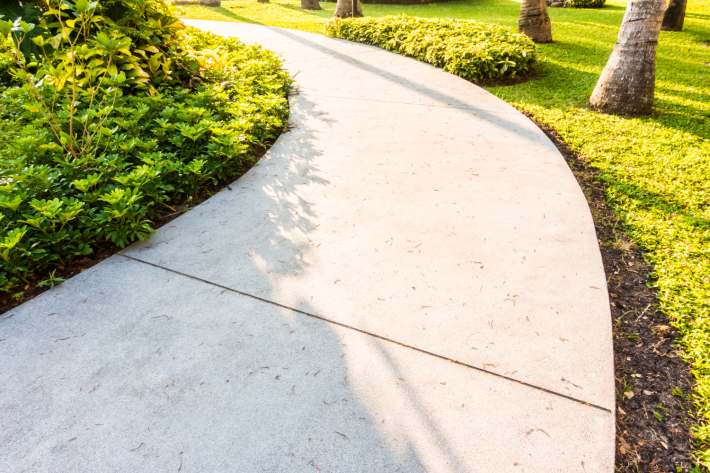
Concrete can still look excellent, especially when the design is simple and clean. Broom finished concrete can suit modern homes, while stamped concrete can create a more decorative appearance. The key is consistency. A driveway should connect visually with walkways, front steps, Gardening beds, and any Hardscaping features nearby. Lumen Landscaping helps homeowners avoid mismatched materials so the front exterior feels cohesive.
Interlock For A Premium Custom Look
Interlock can create a high-end entrance when the pattern, border, and colour are chosen carefully. It can also tie into walkways, front landings, and patio areas. For homeowners comparing interlock driveway vs concrete with curb appeal as the top priority, interlock often offers more creative options.
Concrete For A Clean And Minimal Look
Concrete can be a strong choice for homeowners who want simplicity. It creates a clean surface and can work well with modern exterior styles. In the interlock driveway vs concrete discussion, concrete is often best when the homeowner prefers a smooth, understated finish and is comfortable with the maintenance and repair realities of a poured surface.
Quick Comparison Checklist
If you are still unsure, use this quick interlock driveway vs concrete checklist to narrow your choice. Think about how each factor applies to your Burlington home, your maintenance preferences, and your long-term plans for the property.
This checklist is not a replacement for a professional assessment, but it can help you prepare for a quote. The best interlock driveway vs concrete decision usually comes from combining budget, site conditions, style goals, and drainage needs.
- Choose interlock if you want more pattern and colour options
- Choose concrete if you want a simple, clean surface
- Choose interlock if section-by-section repairability matters
- Choose concrete if upfront simplicity is your main priority
- Choose interlock if the driveway connects to decorative Hardscaping
- Choose concrete if your design goal is minimal and practical
- Prioritize Grading for either option if water pools or runs toward the house
- Ask about base depth, edge support, joints, drainage, and warranty
- Check Burlington driveway rules before widening or modifying hard surface area
- Compare long-term maintenance, not only installation price
A driveway is a major exterior feature, so the choice should be based on performance as much as appearance. The right contractor can help you understand which option fits your home best.
Maintenance And Repair Over Time
Maintenance is another major part of the interlock driveway vs concrete decision. Interlock driveways may need joint maintenance, occasional re-sanding, weed control, and resetting if areas settle. Concrete driveways may need sealing depending on finish, crack monitoring, cleaning, and possible repairs if surface damage appears. Neither option is completely maintenance-free, but the type of maintenance is different.
Repair visibility also differs. Interlock repairs can often blend better because pavers can be lifted and reset. Concrete repairs may remain visible, especially if colour or texture matching is difficult. In an interlock driveway vs concrete comparison, homeowners who value repair flexibility often lean toward interlock, while homeowners who want fewer joints may prefer concrete.
Interlock Maintenance Basics
Sweep regularly, remove weeds early, keep joints in good condition, and watch edges for spreading. If a section settles, professional restoration can often correct the issue. This is one reason interlock driveway vs concrete conversations often focus on long-term repair options.
Concrete Maintenance Basics
Concrete should be cleaned regularly and monitored for cracks, scaling, and drainage issues. Sealers may be recommended depending on the finish and exposure. If you choose concrete in an interlock driveway vs concrete decision, ask your contractor how the surface should be maintained through winter and what products to avoid.
Burlington Rules, Permits, And Planning Considerations
Before modifying or widening a driveway, Burlington homeowners should understand local rules. The City of Burlington says its Driveway Modification Bylaw regulates driveway modifications, widening, circular or hammerhead configurations, second driveways, and related curb cuts. It also notes that modifications that increase hard-scaping area must follow applicable driveway and zoning requirements: City Of Burlington Driveways And Curbs.
This is important for any interlock driveway vs concrete project that changes the size, shape, or hard surface coverage. A replacement within the same footprint may be simpler than a widening project, but homeowners should confirm requirements before work begins. Lumen Landscaping can help you identify the right questions to ask so the driveway plan fits your property and local expectations.
Widening A Driveway Needs Extra Attention
Driveway widening can affect hard surface coverage, drainage, curb access, and zoning rules. In an interlock driveway vs concrete project, widening should not be treated as just adding more surface. It should include Grading, water movement, and municipal considerations.
Written Scope Helps Avoid Problems
Whether you choose interlock or concrete, make sure your written scope explains the project clearly. It should include surface material, preparation, drainage, edges, disposal, timeline, and any assumptions about permits or approvals. This protects your budget and helps avoid misunderstandings.
How Landscaping Around The Driveway Changes The Final Result
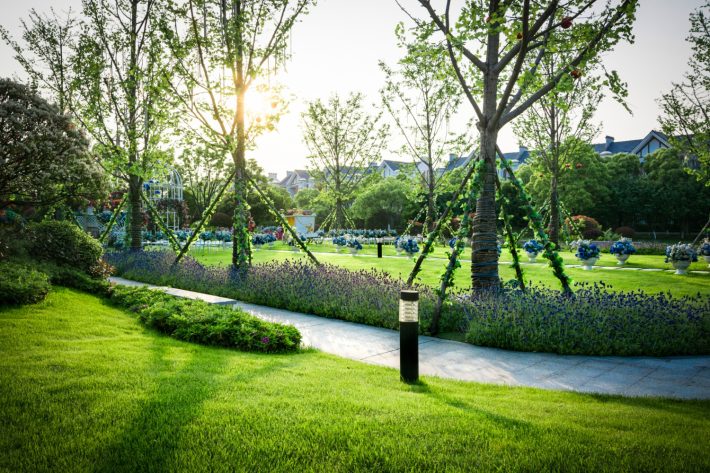
A driveway should not look disconnected from the rest of the property. The best interlock driveway vs concrete projects include the surrounding landscape, including garden beds, lawn edges, walkway connections, and front steps. If the driveway is beautiful but the beds are overgrown or the walkway is uneven, the final impression is weakened.
Gardening can soften the driveway edge and improve curb appeal. Hardscaping can connect the driveway to the front door. Concrete transitions can create clean edges at the garage or sidewalk. Grading can prevent water from damaging the new surface. Lumen Landscaping looks at all of these details so the driveway feels like part of a complete front yard upgrade.
Add Planting To Soften Hard Surfaces
Driveways are large hard surfaces, so nearby planting helps balance the look. Low shrubs, grasses, and perennials can frame the driveway without blocking sightlines. In an interlock driveway vs concrete project, planting can make either option look more finished and welcoming.
Connect The Driveway To The Front Entrance
A driveway upgrade is more effective when the walkway and entry also feel clean and safe. If your front path is uneven, tired, or visually mismatched, it may be worth including a Hardscaping refresh in the plan. A cohesive front exterior creates stronger curb appeal.
Why Choose Lumen Landscaping
Choosing between interlock driveway vs concrete is easier when you have a team that understands base preparation, drainage, local climate, and curb appeal. Lumen Landscaping helps Burlington and Hamilton area homeowners evaluate driveway options based on real property conditions, not generic advice. We focus on the details that make outdoor surfaces last, including excavation, compaction, slope, edge support, and water management.
Our services include Hardscaping for interlock and driveway-related surfaces, Grading to correct drainage issues, Concrete transitions for clean and safe edges, Patio Restoration-style repair methods for settled paver areas, and Gardening to soften and finish the surrounding landscape. When these services work together, your driveway becomes more than a surface. It becomes a polished, functional, and long-lasting part of your home’s exterior.
Ready To Choose The Best Driveway Option For Your Burlington Home?
The best choice in the interlock driveway vs concrete debate depends on your goals. Interlock offers strong design flexibility and repairability, making it a great choice for homeowners who want a premium custom look and section-by-section restoration options. Concrete offers a clean and simple surface that can work well when installed properly and maintained carefully. Both options need strong base work, proper Grading, and smart drainage planning to perform well in Burlington’s climate.
If you are ready to compare interlock driveway vs concrete for your Burlington home, Lumen Landscaping can help you make the right decision. Reach out to discuss your driveway goals, and we will recommend the best mix of Hardscaping, Grading, Concrete, Patio Restoration, and Gardening services to create a driveway that looks great, drains correctly, and supports long-term curb appeal.
Frequently Asked Questions
- What is better in the interlock driveway vs concrete comparison for Burlington homes?
The better choice depends on your goals. Interlock is often better for design flexibility and repairability, while concrete can be better for a clean and simple look. - Is interlock driveway vs concrete more expensive?
Interlock is often more expensive upfront than basic concrete, but decorative concrete and complex site conditions can narrow the price gap. - Which lasts longer in an interlock driveway vs concrete decision?
Both can last when installed correctly. The lifespan depends on base preparation, drainage, Grading, material quality, and maintenance. - Which is easier to repair in interlock driveway vs concrete projects?
Interlock is usually easier to repair in sections because pavers can be lifted and reset, while concrete repairs may be more visible. - Does Burlington require permits for interlock driveway vs concrete work?
Permit or bylaw requirements can apply if you modify, widen, or increase hard-scaping area, so Burlington homeowners should review local driveway guidance before starting. - How does Grading affect interlock driveway vs concrete performance?
Grading affects both options because poor drainage can cause sinking, cracking, ice buildup, and premature surface wear. - Can Lumen Landscaping help choose between interlock driveway vs concrete?
Yes, Lumen Landscaping can assess your property, drainage, style goals, and budget to recommend the right driveway option and supporting services.