Sod Installation Hamilton: Should You Replace Your Existing Lawn with Sod?
A healthy, green lawn enhances curb appeal, improves outdoor living spaces, and adds value to your property. However, when a lawn becomes patchy, uneven, or overrun with weeds, homeowners often wonder whether reseeding is enough or if replacing the entire lawn with sod is the better solution. While both options have their advantages, sod provides immediate results and establishes a lush lawn much faster than grass seed. If you are considering professional sod installation Hamilton services, understanding the benefits and installation process can help you decide if replacing your existing lawn is the right investment.
Is Sod the Right Choice for Replacing Your Existing Lawn?
Replacing an existing lawn with sod is often the best option when the current grass is beyond simple repair. Sod creates an instant, uniform lawn while improving the overall appearance of your property.
Before making a decision, it is important to evaluate the condition of the existing lawn and determine whether replacement offers better long-term value than reseeding.
Signs Your Lawn Is Beyond Simple Repairs
Certain conditions indicate that replacing the lawn may be more effective than ongoing maintenance. Common signs include:
- Large bare patches throughout the yard
- Extensive weed growth
- Poor drainage causing standing water
- Uneven ground or damaged soil
- Thin grass that fails to recover each season
- Persistent pest or disease damage
When multiple problems exist simultaneously, installing new sod often delivers better results than attempting repeated repairs.
When Replacing Lawn With Sod Makes More Sense Than Reseeding
Reseeding works well for minor lawn damage, but severely deteriorated lawns often require complete replacement.
Sod provides immediate coverage, reduces soil erosion, and establishes much faster than grass seed. It is also a practical solution when homeowners want a finished lawn without waiting for seeds to germinate and mature.
What Are the Benefits of Sod Installation in Hamilton?
Professional sod installation offers several advantages that contribute to a healthier and more attractive lawn.
Achieving an Instant Green Lawn
One of the biggest benefits of sod is the immediate visual improvement it provides.
Instead of waiting weeks for grass seed to establish, homeowners enjoy a lush green lawn almost immediately after installation. With proper care, sod quickly develops strong roots and creates a dense, attractive landscape.
Better Weed Control, Soil Protection, and Faster Establishment
Sod provides excellent soil coverage, helping reduce erosion and limiting opportunities for weeds to spread.
The dense root structure also supports faster establishment when compared to newly seeded lawns. Proper watering and maintenance during the first few weeks encourage healthy root development and long-term lawn performance.
Sod vs. Grass Seed: Which Option Is Better?
Choosing between sod and grass seed depends on your goals, budget, and desired timeline.
Comparing Installation Time, Cost, and Maintenance
Grass seed generally has a lower upfront cost but requires more time, careful watering, and ongoing maintenance before becoming fully established.
Sod has a higher initial investment but offers immediate results, faster usability, and a more uniform appearance. It also reduces the risk of erosion during establishment.
Which Option Performs Better in Hamilton’s Climate?
Hamilton experiences seasonal temperature changes that can influence lawn growth.
Professionally installed sod adapts well when the appropriate grass variety is selected and installed under suitable conditions. Proper soil preparation and watering help ensure healthy establishment in Ontario’s climate.
Around this stage of planning, many homeowners consult Lumen Landscaping for expert guidance on selecting the right sod and preparing their property for long-lasting results.
What Happens During a Professional Sod Installation?
Professional installation follows a structured process that promotes healthy root development and long-term lawn success.
Removing the Existing Grass and Preparing the Soil
The installation begins by removing old grass, weeds, and debris from the site.
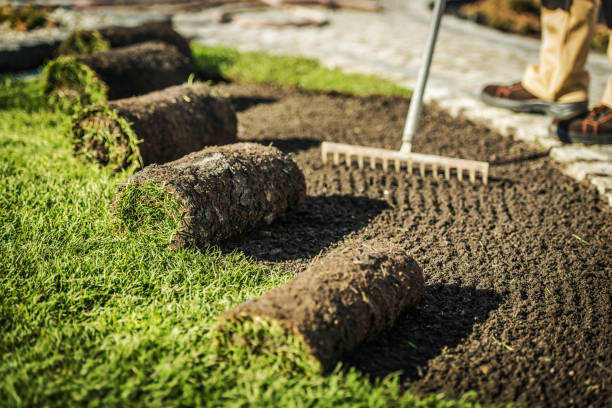
The soil is then graded, loosened, and amended as needed to improve drainage and create an even surface. Proper preparation is one of the most important steps for ensuring successful sod establishment.
Laying, Rolling, and Watering the New Sod
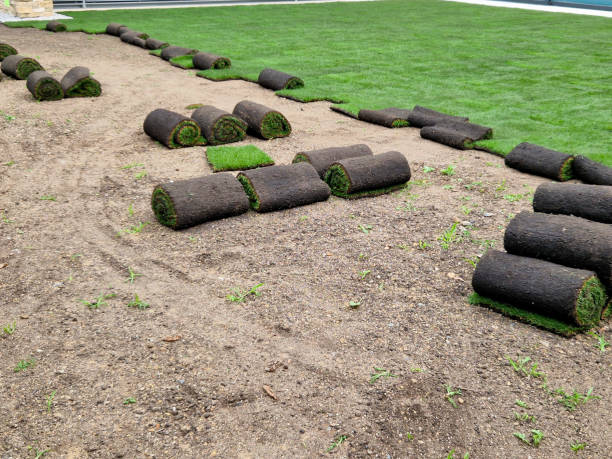
Fresh sod is carefully laid in staggered rows to minimize visible seams.
After installation, the sod is rolled to improve soil contact and eliminate air pockets. Thorough watering immediately after installation helps begin the rooting process and supports healthy growth.
How Should You Prepare Before Replacing Grass With Sod?
Preparation before installation contributes significantly to the success of the new lawn.
Improving Soil Quality and Drainage
Healthy soil provides the foundation for strong root growth.
Before installation, professionals evaluate soil condition, improve drainage where necessary, and incorporate soil amendments to support long-term lawn health.
Choosing the Right Sod Variety for Your Property
Different sod varieties perform better under different sunlight, moisture, and usage conditions.
Selecting the appropriate grass type based on your property’s environment helps maximize durability, appearance, and long-term performance.
How Do You Care for New Sod After Installation?
Proper aftercare is essential during the first several weeks following installation.
Watering Schedule During the First Few Weeks
New sod requires consistent watering to establish healthy roots.
The soil should remain evenly moist during the initial establishment period. As rooting progresses, watering frequency can gradually decrease while encouraging deeper root growth.
When to Mow, Fertilize, and Resume Normal Lawn Use
The first mowing should only occur after the sod has firmly rooted into the soil.
Fertilizing should follow professional recommendations based on the sod variety and growing conditions. Heavy foot traffic should also be avoided until the lawn is fully established.
For homeowners looking for professional Lawn Services in Hamilton, experienced landscapers can provide ongoing maintenance recommendations that support healthy long-term lawn growth.
What Common Mistakes Should Homeowners Avoid?
Avoiding common installation and maintenance mistakes helps maximize the lifespan of a new lawn.
Poor Soil Preparation and Improper Watering
Inadequate soil preparation limits root development and affects long-term lawn health.
Similarly, inconsistent watering during the early establishment period can prevent sod from rooting properly.
Walking on New Sod Too Soon
Newly installed sod requires time to establish.
Excessive foot traffic before the roots have developed can shift the sod, create uneven surfaces, and slow healthy growth.
Why Hire Professionals for Sod Installation in Hamilton?
Professional installation improves the quality, appearance, and longevity of a new lawn.
Proper Installation for Healthy Root Development
Experienced landscapers prepare the soil correctly, install sod evenly, and ensure proper rolling and watering techniques that encourage strong root establishment.
Long-Term Results With Expert Planning and Workmanship
Professional planning helps homeowners select suitable sod varieties while ensuring the finished lawn remains healthy, attractive, and durable for years.
Why Choose Lumen Landscaping?
Choosing the right contractor is an important part of achieving a successful lawn replacement.
Professional Sod Installation Tailored to Hamilton Properties
Every property has unique soil conditions, drainage requirements, and sunlight exposure.
Customized installation ensures the sod performs well within the specific conditions of your landscape.
High-Quality Materials, Expert Installation, and Ongoing Lawn Care Advice
Professional workmanship, premium sod materials, and practical maintenance guidance help homeowners protect their investment while maintaining a healthy lawn long after installation.
Conclusion
Replacing an aging lawn with professionally installed sod provides immediate curb appeal, faster establishment, and long-term value. While reseeding may be suitable for minor lawn repairs, sod offers a practical solution for severely damaged lawns that require complete renewal.
By preparing the soil properly, selecting the right sod variety, and following recommended maintenance practices, homeowners can enjoy a healthy, vibrant lawn that enhances the appearance and functionality of their outdoor space.
FAQs
1. When should I replace my lawn with sod instead of reseeding?
If your lawn has extensive bare patches, heavy weed growth, poor drainage, or widespread damage, replacing it with sod is often a better long-term solution than reseeding.
2. How long does new sod take to establish?
Most sod begins developing roots within the first few weeks when properly watered and maintained. Complete establishment depends on weather conditions, soil preparation, and ongoing care.
3. Can I walk on newly installed sod?
Foot traffic should be kept to a minimum until the sod has developed strong roots. Walking on new sod too early may affect root establishment and create uneven areas.
4. How often should new sod be watered?
New sod should be watered consistently during the first few weeks to keep the soil evenly moist. Watering frequency can gradually decrease as the root system becomes established.
5. Why should I hire professionals for sod installation?
Professional landscapers prepare the soil correctly, install sod using proper techniques, select suitable grass varieties, and provide maintenance guidance that promotes healthy root development and long-lasting lawn performance.